Private School Review Blog

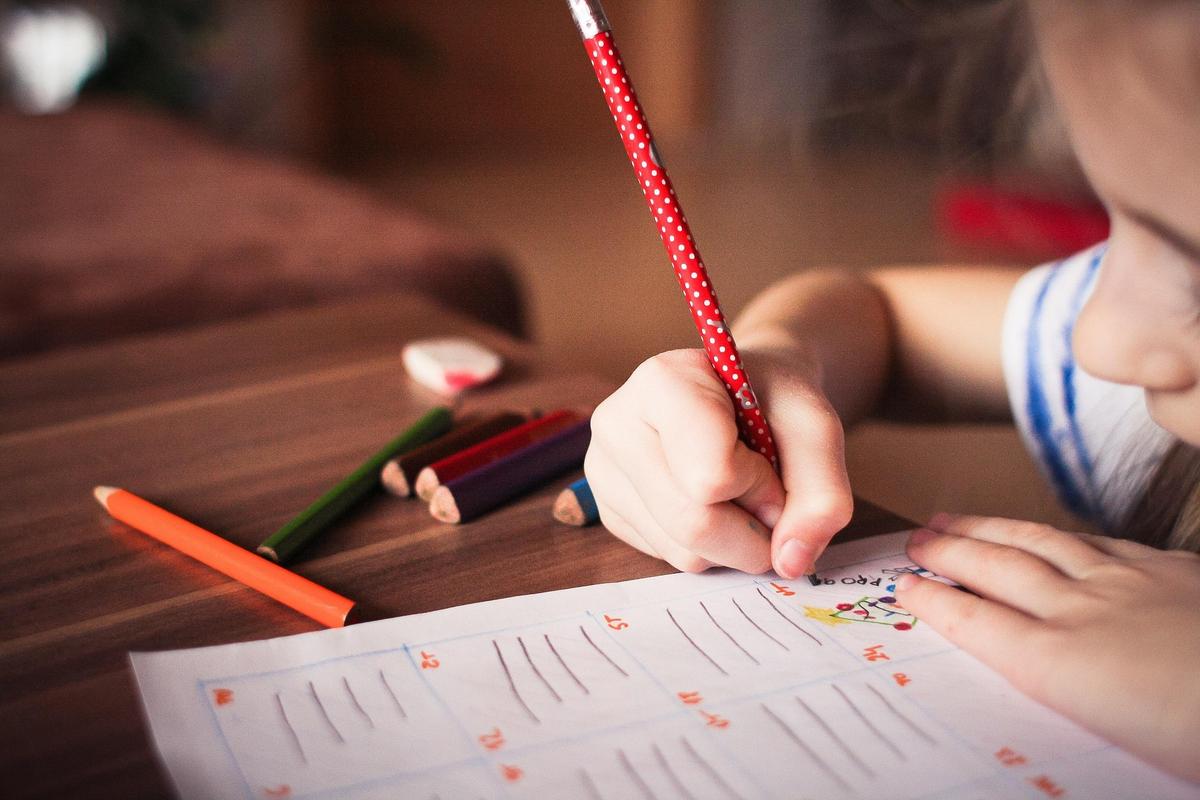
How Much Homework Is Too Much? - Learn how to compare private school homework expectations, recognize excessive workloads, evaluate assignment quality, and ask better questions about academic balance before choosing a school for your child. (Updated Sep. 1, 2026)
Learning Support Without a Formal Program - Learn what private schools mean by informal learning support, how services differ from formal programs, and which questions families should ask before choosing the right school today. (Updated Sep. 1, 2026)
Beyond AP vs. IB: How to Judge Academic Rigor - Learn how to judge academic rigor at private schools without AP or IB by examining curriculum depth, assessments, faculty expectations, advanced coursework, student work, and college preparation outcomes. (Updated Sep. 1, 2026)

Quick Facts (2026-27)

Updated
|
College Preparation at Private Schools in 2026
Explore how private schools prepare students for college in 2026 through counseling, advanced coursework, internships, and individualized support.

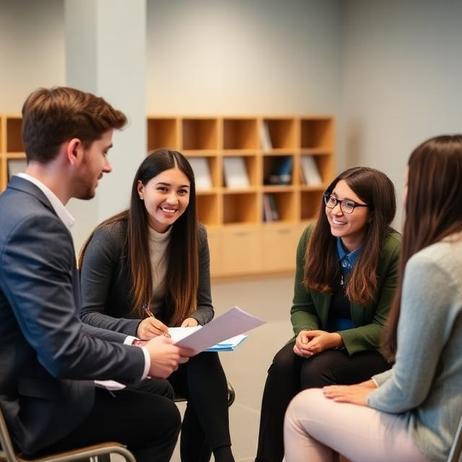
For many families, one of the primary reasons for choosing a private high school is college preparation. In 2026, that preparation extends far beyond strong grades and SAT scores. Today’s leading private schools emphasize individualized advising, advanced coursework, leadership development, wellness support, and real-world experiences that help students transition successfully to higher education.

While outcomes vary by institution, many private schools continue to invest heavily in college counseling offices, academic enrichment, and long-term planning programs that begin well before senior year. Families evaluating schools increasingly want to know not only where graduates attend college, but also how well students are prepared to thrive once they arrive.

As discussed in Can Private School Help with College Admissions?, private schools often provide advantages in counseling access, academic rigor, and extracurricular opportunities that can strengthen a student’s college application and overall readiness.

What College Preparation Means in 2026

The definition of college readiness has evolved significantly over the past decade. Colleges increasingly evaluate applicants through a holistic lens that includes:

  • Academic rigor
  • Writing and communication skills
  • Leadership experience
  • Community involvement
  • Independent thinking
  • Emotional resilience
  • Career exploration
  • Demonstrated interests

As a result, many private schools have expanded their approach to preparation beyond traditional admissions metrics.

Modern college-preparatory programs often include:

Area of PreparationCommon Private School Offerings
Academic readinessAP, IB, honors, dual-enrollment courses
College counselingDedicated counselors and individualized planning
Skill developmentWriting centers, research seminars, public speaking
Career readinessInternships, entrepreneurship programs, STEM labs
Student wellnessMental health support and transition counseling
Experiential learningTravel programs, service learning, capstone projects

Dedicated College Counseling Offices

One of the clearest distinctions
. . .read more

How Private Schools Handle Dual Enrollment Courses

Updated
|
How Private Schools Handle Dual Enrollment Courses
Learn how private schools manage dual enrollment programs, college partnerships, scheduling, credits, and student support in 2026.

Dual enrollment programs are becoming increasingly common in private schools as families seek more advanced academic opportunities and early college exposure for high-achieving students.

In 2026, many private schools now partner with colleges, universities, and online higher education providers to allow students to earn college credit while completing their high school education. These arrangements can help students challenge themselves academically, reduce future college costs, and gain experience navigating college-level coursework before graduation.

At the same time, dual enrollment introduces important logistical, academic, and social considerations for private schools and families alike. Schools must carefully balance high school graduation requirements, student wellness, scheduling flexibility, and college readiness while ensuring students remain engaged in the broader private school community.

As explored in Academic Programs in Private Schools 2025, many independent schools are expanding advanced academic pathways to meet growing demand for personalized and accelerated learning opportunities.

Why Dual Enrollment Is Growing in Private Schools

Several factors are contributing to the growth of dual enrollment programs in independent education.

Families increasingly want students to:

  • Access more rigorous coursework
  • Explore academic interests early
  • Earn transferable college credit
  • Strengthen college applications
  • Experience greater intellectual independence
  • Reduce future college tuition expenses

Private schools also recognize that advanced learners sometimes outgrow available high school coursework, particularly in specialized STEM fields, advanced mathematics, world languages, and niche humanities subjects.

According to Private School Curriculum in 2025: Key Courses and Trends, individualized academic pathways and college-level learning experiences are becoming more common in competitive private school environments.

How Dual Enrollment
. . .read more

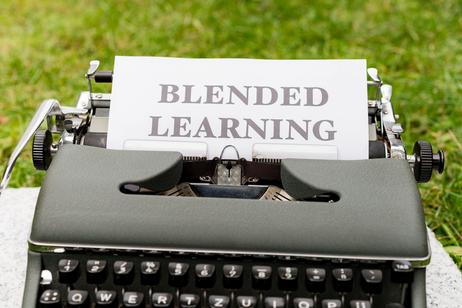
Private Schools Offering Hybrid Learning Models

Updated
|
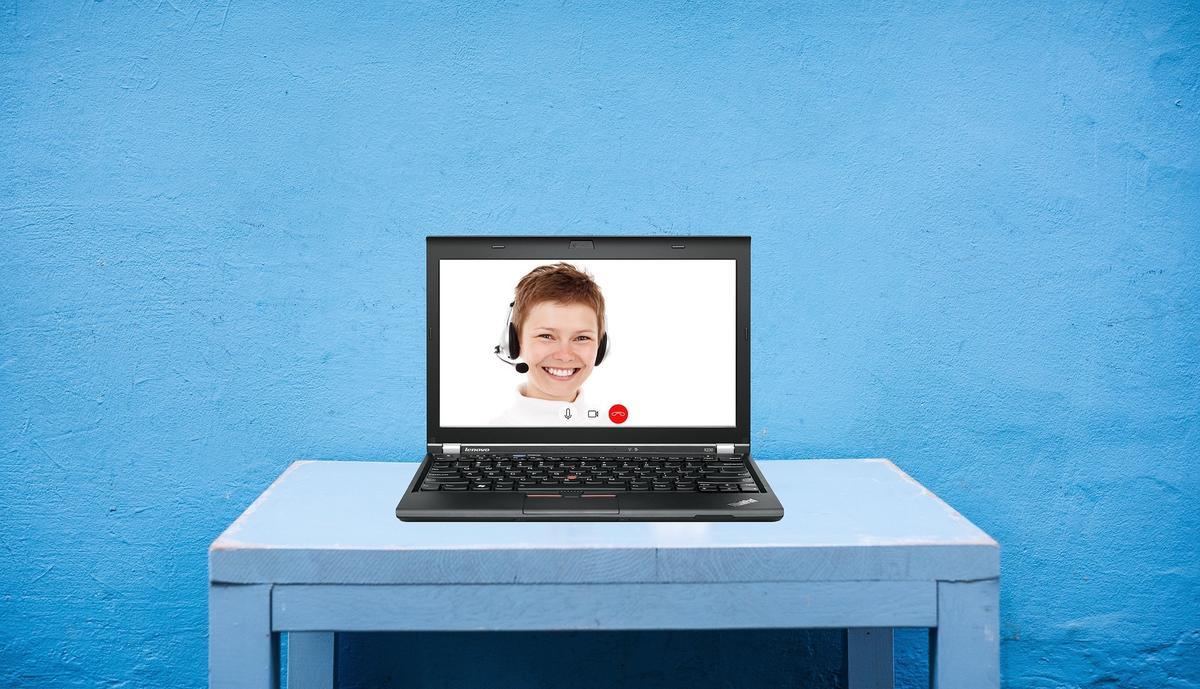
Private Schools Offering Hybrid Learning Models
Learn how private schools are adopting hybrid learning models, what families should evaluate, and how flexible education is evolving in 2026.

Hybrid learning models have become a lasting part of the educational landscape, particularly in private schools that value flexibility and innovation. While many schools initially adopted remote learning during the pandemic years, some elite and independent institutions have continued refining hybrid education into a permanent offering.

In 2026, hybrid learning in private schools is no longer viewed simply as emergency instruction. Instead, it has evolved into a strategic educational model that combines in-person teaching with online coursework, flexible scheduling, and digital collaboration.

For many families, hybrid education offers appealing benefits, including personalized learning, scheduling flexibility, expanded course access, and improved work-life balance. However, these programs also require careful evaluation to ensure students receive the academic structure, social interaction, and support they need.

As explored in Technology in Private School Classrooms (2026 Guide), many independent schools are continuing to invest heavily in digital infrastructure and blended learning systems to support evolving educational models.

Why Hybrid Learning Is Expanding in Private Schools

Private schools are uniquely positioned to experiment with hybrid education because they often have greater curricular flexibility and faster decision-making structures than many public school systems.

Several factors are driving the growth of hybrid learning models:

  • Increased demand for flexible education
  • Growth in online learning technology
  • Rising interest in personalized instruction
  • Expanded dual-enrollment and specialty course access
  • Student mental health and scheduling considerations
  • Geographic flexibility for traveling families

Many schools now view hybrid learning as an opportunity to expand enrollment beyond their immediate local area while also accommodating students with diverse academic

. . .read more

How Elite Private Schools Partner With Tech Companies

Updated
|
How Elite Private Schools Partner With Tech Companies
Discover how elite private schools are partnering with tech companies to reshape curriculum, STEM education, AI literacy, and career readiness.

Private schools have long been known for curricular flexibility and academic innovation. In 2026, that flexibility is increasingly expressed through partnerships with technology companies, AI organizations, and digital learning platforms that are reshaping what students learn and how they learn it.

Across the country, elite private schools are collaborating with tech firms to build advanced STEM programs, integrate artificial intelligence into classrooms, expand coding and robotics instruction, and prepare students for a workforce increasingly shaped by automation and digital fluency.

These partnerships are not simply about adding devices to classrooms. Instead, they represent a broader shift toward experiential, future-focused learning that blends traditional academics with emerging technologies and real-world industry exposure.

As discussed in Private School Curriculum in 2025: Key Courses and Trends, many private schools are redefining academic expectations through AI integration, coding, and interdisciplinary learning.

Why Private Schools Are Leading Tech Integration

Private schools often have advantages that make technology partnerships easier to implement than in many public school systems. These include:

  • Greater curriculum flexibility
  • Smaller class sizes
  • Faster administrative decision-making
  • Strong alumni and donor networks
  • Access to philanthropic funding
  • High parent demand for innovation

According to Technology in Private School Classrooms (2026 Guide), private institutions can adopt and adapt emerging educational technologies far more quickly than many district-operated schools.

This agility has allowed elite schools to move beyond traditional computer labs and toward integrated partnerships with companies specializing in AI, robotics, cybersecurity, cloud computing, and digital design.

How Tech Partnerships Are Changing Curriculum

Technology partnerships influence curriculum in

. . .read more

Private Schools and Student Mental Health in 2026

Updated
|
Private Schools and Student Mental Health in 2026
Learn how private schools are supporting student mental health in 2026 through counseling, wellness programs, technology policies, and family partnerships.

Student mental health remains one of the defining education challenges of the decade. In 2026, private schools across the United States are expanding counseling services, redesigning academic expectations, and investing in wellness programs that support students both emotionally and academically.

The conversation has shifted significantly in recent years. Mental health support is no longer viewed as a supplemental service or a reactive intervention. Increasingly, private schools are treating student wellness as a foundational part of school culture and long-term student success.

Parents evaluating private school options are asking more detailed questions about counseling access, social-emotional learning, stress management, and digital wellness. Schools are responding with broader support systems that address anxiety, depression, social pressure, and the growing effects of screen time and social media.

According to the Centers for Disease Control and Prevention, adolescent mental health concerns remain widespread nationwide, reinforcing the need for schools to provide meaningful support structures for students.

Why Mental Health Support Has Become a Priority

Private schools have long emphasized smaller class sizes and personalized learning environments. In 2026, many schools are extending that individualized approach to emotional well-being.

Several factors are driving this increased focus:

  • Rising student anxiety and stress levels
  • Increased academic competition
  • Social media pressures
  • Greater awareness of adolescent mental health needs
  • Parent demand for proactive wellness support
  • Expanded understanding of neurodiversity and learning differences

School leaders also recognize that mental health directly affects attendance, engagement, academic performance, and social development.

As a result, wellness initiatives are becoming integrated into daily school operations

. . .read more

Recent Articles

How Much Homework Is Too Much?
Learn how to compare private school homework expectations, recognize excessive workloads, evaluate assignment quality, and ask better questions about academic balance before choosing a school for your child.
Learning Support Without a Formal Program
Learn what private schools mean by informal learning support, how services differ from formal programs, and which questions families should ask before choosing the right school today.
Beyond AP vs. IB: How to Judge Academic Rigor
Learn how to judge academic rigor at private schools without AP or IB by examining curriculum depth, assessments, faculty expectations, advanced coursework, student work, and college preparation outcomes.