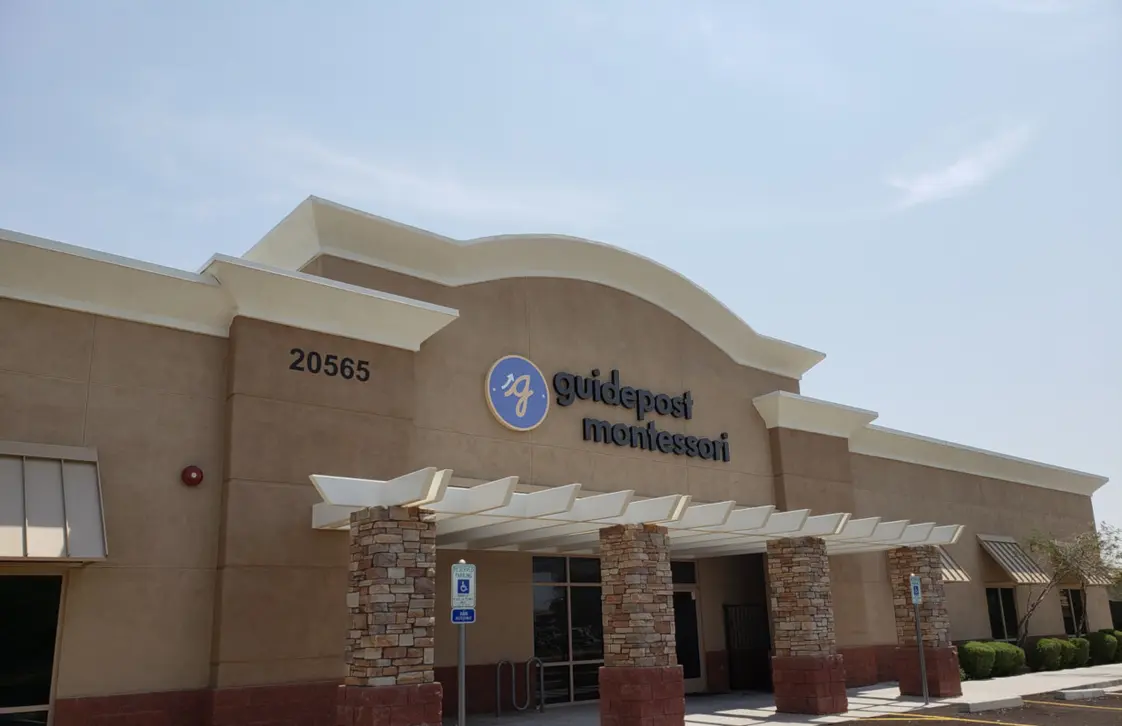
For the 2026 school year, there are 512 private schools serving 78,844 students in Arizona (there are 2,473 public schools, serving 1,123,446 students). 7% of all K-12 students in Arizona attend private schools (compared to the national average of 10%).
The average private school tuition is $11,210 for elementary schools and $15,071 for high schools (view national tuition averages).
The top-ranked private schools in Arizona include St. Francis Xavier School, Brophy College Preparatory, and Phoenix Country Day School.
The average acceptance rate is 87% (view national acceptance rates). Minority enrollment is 39% and the student-teacher ratio is 13:1.




Overview
This State (AZ)
US
# Schools
512 Schools
Student Body:
# Students
78,844 Students
5,699,317 Students
% Average Students of Color
39%
34%
Student By Grade
Academics and Faculty:
# Teachers
6,266 Teachers
507,826 Teachers
Average Student-Teacher Ratio
13:1
11:1
% Average Faculty w/Advanced Degree
57%
55%
Average Class Size
16 students
15 students
Average Number of AP Courses
10 courses
13 courses
Average SAT score
1232
(Out of 1600)
1233
Average ACT score
25
(Out of 36)
26
Tuition and Acceptance Rate:
Average Yearly Tuition Cost
$12,127
$14,878
Average Summer Program Cost
$605
$1,138
Average % on Financial Aid
58%
35%
Average Financial Aid Grant
$5,909
$7,124
Average Acceptance Rate
87%
82%
Average Endowment Size
$327.68 million
$61.71 million
Students by Ethnicity:
Diversity Score
0.71
0.65
# American Indian Students
2,183 Students
29,886 Students
% American Indian Students
3%
1%
# Asian Students
1,859 Students
265,088 Students
% Asian Students
2%
5%
# Hispanic Students
14,190 Students
507,413 Students
% Hispanic Students
19%
9%
# Black Students
2,966 Students
416,690 Students
% Black Students
4%
7%
# White Students
30,696 Students
2,932,713 Students
% White Students
40%
52%
# Hawaiian Students
156 Students
20,067 Students
% Hawaiian Students
n/a
n/a
# Two or more races Students
n/a
n/a
% of Two or more races Students
n/a
n/a
# Others Students
24,763 Students
1,471,571 Students
% of Others Students
32%
26%
All Ethnic Groups
Extracurriculars and Sports:
Average Number of Extracurriculars
8 extracurriculars
9 extracurriculars
Average Number of Sports
7 sports
7 sports
Top-Ranked Arizona Private Schools by County (2026)
County
# Schools
# Students
% of K-12 Students in Private Schools
Frequently Asked Questions
What are the top-ranked private schools in Arizona?
The top-ranked private schools in Arizona include St. Francis Xavier School, Brophy College Preparatory, and Phoenix Country Day School.
How many private schools are located in Arizona?
There are 512 private schools are located in Arizona.
How much do private schools cost in Arizona?
The average private school tuition in Arizona is $11,210 for elementary schools and $15,071 for high schools
How diverse are private schools in Arizona?
Approximately 39% of students in Arizona private schools are minority students (compared to the national percentage).
What percentage of students in Arizona go to private school?
7% of all K-12 students in Arizona attend private schools (compared to the national average of 10%).
What percentage of private schools are religiously affiliated in Arizona?
Which private schools in Arizona are often viewed compared to one another?
Popular comparisons of private schools in Arizona include: Navajo Mission Preparatory School vs. Immanuel Mission School, Alfarero Baptist Schools vs. Sahuarita Christian Academy, Sahuarita Christian Academy vs. Alfarero Baptist Schools
Recent Articles

How Private Schools Are Preventing Student Burnout
Discover how private schools are addressing student burnout through wellness programs, balanced academics, and expanded mental health support.

How Private Schools Evaluate “Soft Skills” Like Leadership and Grit
Learn how private schools assess leadership, grit, resilience, and character, and why these soft skills are becoming increasingly important in admissions.

How Private Schools Handle Cell Phones: Why Phone-Free Campuses Are Growing
Discover how private schools manage cell phones, why phone-free campuses are growing, and how reduced social media access can benefit students.