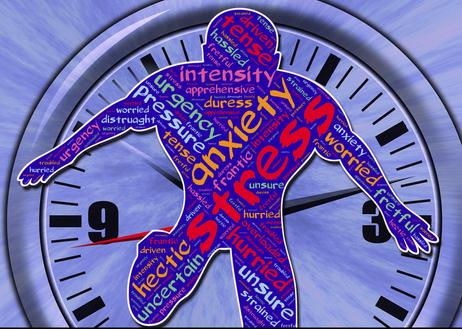
For many families, private school is attractive because it offers academic rigor, smaller classes, strong faculty relationships, and extensive enrichment opportunities. These strengths can help students thrive, but they can also create pressure in highly competitive school environments. As expectations rise, many private schools are paying closer attention to student burnout and how to prevent it.
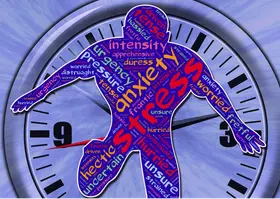
Student burnout is more than ordinary stress before a test or a busy week of assignments. It can include emotional exhaustion, reduced motivation, disengagement from learning, sleep problems, anxiety, and a sense that achievement is never enough. In high-achieving environments, students may feel pressure to earn top grades, build strong college applications, lead clubs, play sports, and maintain an active social life all at once.
Private schools are responding by rethinking how rigor and well-being can work together. The goal is not to make academics easier. Instead, schools are building systems that help students pursue excellence sustainably.
Understanding Student Burnout in Private Schools
Student burnout often develops gradually. A student who once enjoyed learning may begin completing work mechanically. Another student may continue earning strong grades while becoming anxious, exhausted, or withdrawn. Because many high-achieving students are skilled at meeting expectations, adults may not immediately recognize when they are struggling.
The Centers for Disease Control and Prevention has emphasized the importance of strong relationships and school connectedness in supporting adolescent mental health. For private schools, this reinforces one of their traditional strengths: the ability to know students well.
Smaller