Updated
|
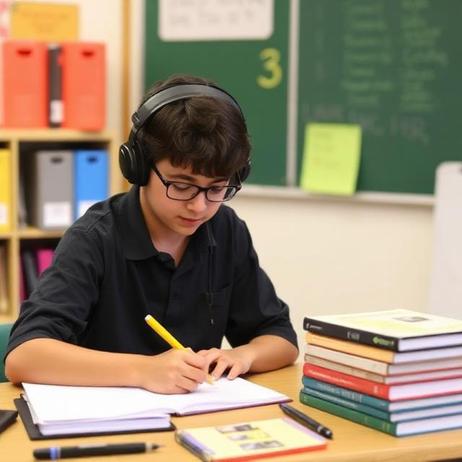
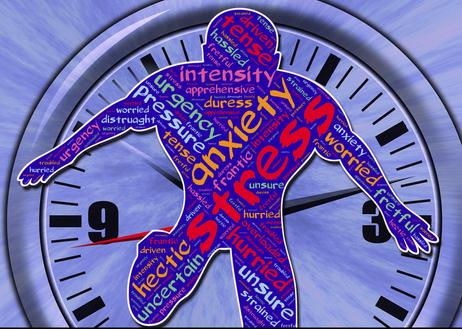
How Private Schools Are Preventing Student Burnout
Discover how private schools are addressing student burnout through wellness programs, balanced academics, and expanded mental health support.

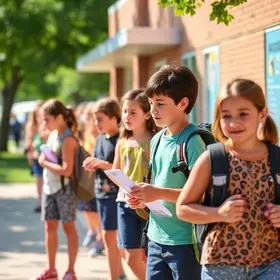
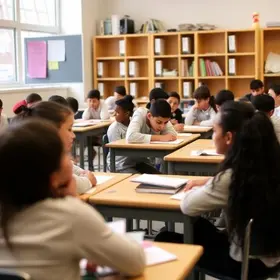
For many families, private school is attractive because it offers academic rigor, smaller classes, strong faculty relationships, and extensive enrichment opportunities. These strengths can help students thrive, but they can also create pressure in highly competitive school environments. As expectations rise, many private schools are paying closer attention to student burnout and how to prevent it.

Student burnout is more than ordinary stress before a test or a busy week of assignments. It can include emotional exhaustion, reduced motivation, disengagement from learning, sleep problems, anxiety, and a sense that achievement is never enough. In high-achieving environments, students may feel pressure to earn top grades, build strong college applications, lead clubs, play sports, and maintain an active social life all at once.

Private schools are responding by rethinking how rigor and well-being can work together. The goal is not to make academics easier. Instead, schools are building systems that help students pursue excellence sustainably.

Understanding Student Burnout in Private Schools

Student burnout often develops gradually. A student who once enjoyed learning may begin completing work mechanically. Another student may continue earning strong grades while becoming anxious, exhausted, or withdrawn. Because many high-achieving students are skilled at meeting expectations, adults may not immediately recognize when they are struggling.

The Centers for Disease Control and Prevention has emphasized the importance of strong relationships and school connectedness in supporting adolescent mental health. For private schools, this reinforces one of their traditional strengths: the ability to know students well.

Smaller

. . .read more

How Private Schools Evaluate “Soft Skills” Like Leadership and Grit

Updated
|
How Private Schools Evaluate “Soft Skills” Like Leadership and Grit
Learn how private schools assess leadership, grit, resilience, and character, and why these soft skills are becoming increasingly important in admissions.

Your child earns strong grades, performs well on standardized tests, and participates in several extracurricular activities. Is that enough to gain admission to a competitive private school?

Increasingly, the answer is no.

While academic achievement remains a critical part of the admissions process, private schools are paying closer attention to qualities that cannot be measured by a transcript alone. Admissions officers want to understand how students interact with others, respond to challenges, demonstrate leadership, and contribute to a school community.

These qualities, often called "soft skills," have become an increasingly important factor in admissions decisions. For families navigating the private school application process, understanding how schools evaluate these traits can provide valuable insight into what admissions committees are really looking for.

Why Soft Skills Matter More Than Ever

Private schools are not simply filling classrooms with students who earn high grades. They are building communities.

A successful school environment depends on students who can collaborate, communicate effectively, persevere through challenges, and contribute positively to the culture of the school. Academic ability remains important, but many admissions professionals believe personal qualities often determine how well a student ultimately thrives.

This shift reflects broader changes in education and the workplace. Colleges and employers increasingly emphasize adaptability, critical thinking, communication, and resilience. Research from the National Association of Independent Schools highlights how many independent schools are focusing on character development and student growth alongside traditional academic achievement.

As a result, admissions offices are taking a more holistic approach

. . .read more

How Private Schools Handle Cell Phones: Why Phone-Free Campuses Are Growing

Updated
|
How Private Schools Handle Cell Phones: Why Phone-Free Campuses Are Growing
Discover how private schools manage cell phones, why phone-free campuses are growing, and how reduced social media access can benefit students.

For years, private schools have wrestled with a difficult question: How do educators prepare students for a digital world without allowing technology to dominate the school experience?

Increasingly, many schools believe the answer is not more screen time, but less.

Across the country, private schools are adopting stricter cell phone policies that limit or eliminate smartphone use during the school day. While academic focus remains a major motivation, a growing number of parents are attracted to something even more compelling: the opportunity for their children to disconnect from social media and reconnect with real-world relationships.

This shift reflects broader concerns about adolescent mental health, attention spans, online pressures, and the role schools play in shaping healthy habits.

Private schools have long differentiated themselves through small classes, individualized instruction, and strong communities. Today, many are adding another benefit to that list: creating environments where students spend less time scrolling and more time engaging with classmates, teachers, and activities.

Why Cell Phone Policies Have Become a Major Issue

The average teenager now carries a device that provides instant access to social media platforms, streaming services, messaging apps, gaming networks, and artificial intelligence tools.

While technology offers tremendous educational benefits, educators increasingly report challenges associated with unrestricted phone use, including:

  • Reduced classroom attention
  • Increased anxiety and social comparison
  • Cyberbullying
  • Academic dishonesty
  • Sleep disruption
  • Difficulty maintaining focus
  • Reduced face-to-face interaction

These concerns have prompted schools nationwide to reconsider the role smartphones should play during the school day.

Many private schools view phone restrictions as part of a broader

. . .read more

Executive Function Skills: The Key to Academic Success

Updated
|
Executive Function Skills: The Key to Academic Success
Learn why executive function skills are among the strongest predictors of academic success and how parents and schools can strengthen them.

For years, academic success was often associated with intelligence, test scores, or natural talent. Yet a growing body of educational research points to a different factor that may be even more important: executive function skills.

These cognitive skills help students manage their thoughts, emotions, attention, and behavior in pursuit of long-term goals. Whether a student is completing a science project, preparing for exams, managing extracurricular commitments, or navigating a challenging classroom environment, executive function skills are often the hidden engine behind success.

In 2026, as schools continue integrating technology, project-based learning, and personalized education models, executive function skills have become more critical than ever. Private schools, in particular, are increasingly investing in programs designed to strengthen these skills because educators recognize their direct connection to academic achievement, college readiness, and lifelong success.

What Are Executive Function Skills?

Executive function skills are the brain's management system. They help students plan, prioritize, organize, focus attention, regulate emotions, and complete tasks.

Researchers generally group executive function into three core areas:

Executive Function Skill Description
Working Memory Holding and manipulating information in the mind
Cognitive Flexibility Adjusting to new situations and shifting strategies
Inhibitory Control Managing impulses and maintaining self-control

These core functions support a broader set of academic behaviors, including:

  • Time management
  • Organization
  • Goal setting
  • Task initiation
  • Sustained attention
  • Emotional regulation
  • Self-monitoring
  • Study planning

According to research published by the Institute of Education Sciences, executive function plays a foundational role in school readiness, academic achievement, and long-term educational outcomes. Studies have found that executive function measured in

. . .read more

Private School Marketing Strategies for Enrollment Growth

Updated
|
Private School Marketing Strategies for Enrollment Growth
Discover proven private school marketing strategies for 2026, including digital outreach, branding, enrollment management, and parent engagement.

Private school marketing strategies have evolved significantly over the past decade. While reputation, academic excellence, and word-of-mouth referrals remain important, today's families conduct extensive online research before ever scheduling a campus visit. As competition increases and demographic shifts affect enrollment patterns across many regions, schools need a comprehensive, data-driven approach to attracting and retaining students.

The most successful private schools in 2026 are combining traditional relationship-building with modern digital marketing, personalized communications, and authentic storytelling. Effective marketing is no longer about simply promoting a school. It is about clearly communicating value, building trust, and creating meaningful connections with prospective families.

Research on school choice and educational marketing has shown that schools increasingly compete through branding, communication, and targeted outreach efforts in competitive markets, making strategic marketing an essential component of enrollment management.

Why Marketing Matters More Than Ever

Parents today behave like informed consumers. They compare schools online, read reviews, explore social media channels, attend virtual events, and evaluate educational outcomes long before contacting an admissions office.

Several trends are shaping private school marketing in 2026:

  • Increased competition from public, charter, magnet, and online schools
  • Greater reliance on digital research during the school selection process
  • Rising expectations for personalized communication
  • Increased importance of online reputation and reviews
  • Growing use of video and virtual experiences during the admissions journey

Schools that fail to adapt risk becoming invisible to prospective families.

The Foundation: Define Your School's Unique Value Proposition

Before launching advertising campaigns or redesigning a website, schools should

. . .read more

Recent Articles

How Private Schools Are Preventing Student Burnout
Discover how private schools are addressing student burnout through wellness programs, balanced academics, and expanded mental health support.
How Private Schools Evaluate “Soft Skills” Like Leadership and Grit
Learn how private schools assess leadership, grit, resilience, and character, and why these soft skills are becoming increasingly important in admissions.
How Private Schools Handle Cell Phones: Why Phone-Free Campuses Are Growing
Discover how private schools manage cell phones, why phone-free campuses are growing, and how reduced social media access can benefit students.