
School Facts
Student Body
Total Students
80 students
Student Body Type
Co-ed
% Students of Color
53%
State avg.: 28%
Academic Profile
Total Classroom Teachers
14 teachers
Student-Teacher Ratio
6:1
National avg.: 11:1
Tuition & Financial Aid
Admission Deadline
None / Rolling
School Notes
- At Trinity Christian Academy, we are dedicated to providing every child with the highest standards of education at an academic, social and spiritual level.
- We believe that each child will leave our academy with a solid foundation, plus an eagerness to continue learning for the rest of their lives.
- We consider each child as a unique individual.
- As educators, we strive to challenge each child according to their academic level, as well as their social level.
- We offer a competitive curriculum, which will give you the confidence that your child is receiving a quality education.
- As educators, we have come to realize that children do not all learn at the same rate.
- It is crucial to find each child's individual talent and learning style and only that will enable us to educate them at their level.
- Trinity Christian Academy offers your child an accelerated learning environment.
- We place students based on developmental level not by birthdays.
- We offer very low class sizes so that your child gets the special attention they deserve.
- TCA provides a Language Arts program that will give your children a strong foundation in reading, writing, listening, and speaking skills.
- Children will participate in daily writing and reading workshops as well as skill lessons that are geared to their individual needs.
- At Trinity Christian Academy, we are dedicated to providing every child with the highest standards of education at an academic, social and spiritual level. We believe that each child will leave our academy with a solid foundation, plus an eagerness to continue learning for the rest of their lives. We consider each child as a unique individual. As educators, we strive to challenge each child according to their academic level, as well as their social level. We offer a competitive curriculum, which will give you the confidence that your child is receiving a quality education. As educators, we have come to realize that children do not all learn at the same rate. It is crucial to find each child's individual talent and learning style and only that will enable us to educate them at their level. Trinity Christian Academy offers your child an accelerated learning environment. We place students based on developmental level not by birthdays. We offer very low class sizes so that your child gets the special attention they deserve. TCA provides a Language Arts program that will give your children a strong foundation in reading, writing, listening, and speaking skills. Children will participate in daily writing and reading workshops as well as skill lessons that are geared to their individual needs.
Source: National Center for Education Statistics (NCES)
Frequently Asked Questions
When is the application deadline for Trinity Christian Academy?
The application deadline for Trinity Christian Academy is rolling (applications are reviewed as they are received year-round).
Related Schools
Show me:
People that viewed Trinity Christian Academy also viewed these schools: Loganville Christian Academy, Gerard Preparatory School and Collins Hill Christian School.
The nearest high school, elementary school and preschool to Trinity Christian Academy is Victory Baptist School (1.4 miles away)
Show me:
Show me:

Distance: 2.4 mi
Gr: PK-12 | 461 students
Avg. class size: 25 students
Sports: 15 | Extracurriculars: 20
Christian
2575 Highway 81
Loganville, GA 30052
(770) 554-9888

Distance: 9.6 mi
Gr: K-12 | 68 students
Avg. class size: 12 students
Sports: 3 | Extracurriculars: 4
Specialized Curriculum (Christian)
263 Jackson Street
Lawrenceville, GA 30043
(770) 277-4722
Distance: 12.9 mi
Gr: 1-8 | 80 students
Avg. class size: 15 students
Sports: 1 | Extracurriculars: 4
Baptist
1612 Collins Hill Road
Lawrenceville, GA 30043
(770) 962-0642
Distance: 2.4 mi
Gr: PK-12 | 461 students
Avg. class size: 25 students
Sports: 15 | Extracurriculars: 20
Christian
2575 Highway 81
Loganville, GA 30052
(770) 554-9888
Distance: 9.6 mi
Gr: K-12 | 68 students
Avg. class size: 12 students
Sports: 3 | Extracurriculars: 4
Specialized Curriculum (Christian)
263 Jackson Street
Lawrenceville, GA 30043
(770) 277-4722
Distance: 2.4 mi
Gr: PK-12 | 461 students
Avg. class size: 25 students
Sports: 15 | Extracurriculars: 20
Christian
2575 Highway 81
Loganville, GA 30052
(770) 554-9888
Distance: 9.6 mi
Gr: K-12 | 68 students
Avg. class size: 12 students
Sports: 3 | Extracurriculars: 4
Specialized Curriculum (Christian)
263 Jackson Street
Lawrenceville, GA 30043
(770) 277-4722
Distance: 12.9 mi
Gr: 1-8 | 80 students
Avg. class size: 15 students
Sports: 1 | Extracurriculars: 4
Baptist
1612 Collins Hill Road
Lawrenceville, GA 30043
(770) 962-0642
Distance: 2.4 mi
Gr: PK-12 | 461 students
Avg. class size: 25 students
Sports: 15 | Extracurriculars: 20
Christian
2575 Highway 81
Loganville, GA 30052
(770) 554-9888

Distance: 1.4 mi
Gr: PK-12 | 192 students
Avg. class size: 12 students
Sports: 6 | Extracurriculars: 3
Baptist
152 Clark McCullers Drive
Loganville, GA 30052
(770) 466-4074
Distance: 1.8 mi
Gr: PK-K | 135 students
Daycare / Preschool (Baptist)
680 Tom Brewer Rd
Loganville, GA 30052
(770) 466-2770
Distance: 2.4 mi
Gr: PK-12 | 461 students
Avg. class size: 25 students
Sports: 15 | Extracurriculars: 20
Christian
2575 Highway 81
Loganville, GA 30052
(770) 554-9888
Distance: 3.1 mi
Gr: 9-12 | 91 students
Christian
2571 Highway 78
Loganville, GA 30052
(770) 466-7872
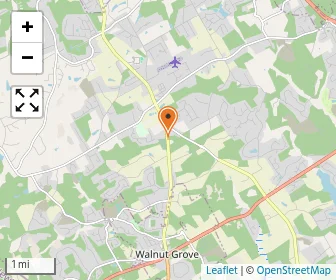
Distance: 4.8 mi
Gr: K-3
Christian
1635 Highway 81
Loganville, GA 30052
(770) 466-4373
Distance: 1.4 mi
Gr: PK-12 | 192 students
Avg. class size: 12 students
Sports: 6 | Extracurriculars: 3
Baptist
152 Clark McCullers Drive
Loganville, GA 30052
(770) 466-4074
Distance: 2.4 mi
Gr: PK-12 | 461 students
Avg. class size: 25 students
Sports: 15 | Extracurriculars: 20
Christian
2575 Highway 81
Loganville, GA 30052
(770) 554-9888
Distance: 3.1 mi
Gr: 9-12 | 91 students
Christian
2571 Highway 78
Loganville, GA 30052
(770) 466-7872

Distance: 5.6 mi
Gr: PK-12 | 119 students
Extracurriculars: 3
Montessori School
1741 Athens Hwy
Grayson, GA 30017
(770) 979-8900
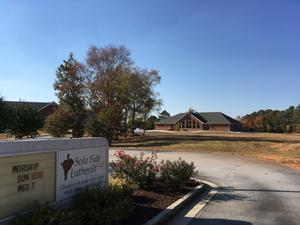
Distance: 7.5 mi
Gr: PK-12 | 108 students
Avg. class size: 18 students
Sports: 5 | Extracurriculars: 10
Wisconsin Evangelical Lutheran Synod
1307 Webb Gin House Road
Lawrenceville, GA 30045
(770) 972-1771
Distance: 1.4 mi
Gr: PK-12 | 192 students
Avg. class size: 12 students
Sports: 6 | Extracurriculars: 3
Baptist
152 Clark McCullers Drive
Loganville, GA 30052
(770) 466-4074
Distance: 2.4 mi
Gr: PK-12 | 461 students
Avg. class size: 25 students
Sports: 15 | Extracurriculars: 20
Christian
2575 Highway 81
Loganville, GA 30052
(770) 554-9888
Distance: 4.8 mi
Gr: K-3
Christian
1635 Highway 81
Loganville, GA 30052
(770) 466-4373
Distance: 5.6 mi
Gr: PK-12 | 119 students
Extracurriculars: 3
Montessori School
1741 Athens Hwy
Grayson, GA 30017
(770) 979-8900
Distance: 7.5 mi
Gr: PK-12 | 108 students
Avg. class size: 18 students
Sports: 5 | Extracurriculars: 10
Wisconsin Evangelical Lutheran Synod
1307 Webb Gin House Road
Lawrenceville, GA 30045
(770) 972-1771
Distance: 1.4 mi
Gr: PK-12 | 192 students
Avg. class size: 12 students
Sports: 6 | Extracurriculars: 3
Baptist
152 Clark McCullers Drive
Loganville, GA 30052
(770) 466-4074
Distance: 1.8 mi
Gr: PK-K | 135 students
Daycare / Preschool (Baptist)
680 Tom Brewer Rd
Loganville, GA 30052
(770) 466-2770
Distance: 2.4 mi
Gr: PK-12 | 461 students
Avg. class size: 25 students
Sports: 15 | Extracurriculars: 20
Christian
2575 Highway 81
Loganville, GA 30052
(770) 554-9888
Distance: 5.6 mi
Gr: PK-12 | 119 students
Extracurriculars: 3
Montessori School
1741 Athens Hwy
Grayson, GA 30017
(770) 979-8900
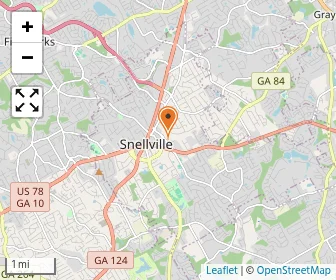
Distance: 7.0 mi
Gr: PK-K | 97 students
Montessori School
2350 Wisteria Dr
Snellville, GA 30078
(678) 639-2857
School
(Math and Reading Proficiency)
(Math and Reading Proficiency)
Location
Miles
Quick Facts
Bay Creek Elementary School
(Math: 41% | Reading: 47%)
Rank:
Rank:
7/
Top 50%10
100 Homer Moon Rd
Loganville, GA 30052
(770) 466-2271
Loganville, GA 30052
(770) 466-2271
0.2 miles
Gr: PK-5 | 776 students Student-Teacher Ratio: 15:1 Minority enrollment: 84%
Loganville Middle School
(Math: 46% | Reading: 44%)
Rank:
Rank:
7/
Top 50%10
4869 Bay Creek Church Rd
Loganville, GA 30052
(678) 684-2960
Loganville, GA 30052
(678) 684-2960
0.7 miles
Gr: 6-8 | 1,320 students Student-Teacher Ratio: 17:1 Minority enrollment: 58%
Loganville Elementary School
(Math: 72% | Reading: 53%)
Rank:
Rank:
9/
Top 20%10
4889 Bay Creek Church Road
Loganville, GA 30052
(678) 684-2840
Loganville, GA 30052
(678) 684-2840
0.9 miles
Gr: PK-5 | 951 students Student-Teacher Ratio: 15:1 Minority enrollment: 47%
Loganville High School
(Math: 47% | Reading: 51%)
Rank:
Rank:
8/
Top 30%10
100 Trident Trail
Loganville, GA 30052
(678) 684-2880
Loganville, GA 30052
(678) 684-2880
1.6 miles
Gr: 9-12 | 1,911 students Student-Teacher Ratio: 17:1 Minority enrollment: 55%
Magill Elementary School
(Math: 35% | Reading: 33%)
Rank:
Rank:
5/
Bottom 50%10
3900 Brushy Fork Rd
Loganville, GA 30052
(770) 554-1030
Loganville, GA 30052
(770) 554-1030
2.8 miles
Gr: PK-5 | 1,259 students Student-Teacher Ratio: 13:1 Minority enrollment: 93%
Recent Articles

Who Handles Medication at a Private School?
Learn who handles student medication at private schools, what policies families should review, and which questions parents should ask about prescriptions, emergencies, storage, documentation, and daily administration.

Does Your Child Need a School With a Full-Time Nurse?
Learn when a full-time school nurse matters, how private schools handle medications, chronic conditions and emergencies, and which health-service questions parents should ask before enrolling their child.
The Course Availability Test: Are Classes Really Offered?
Learn how to verify whether private school catalog courses are actually offered each year, identify scheduling limitations, and ask better questions before choosing a school for your child today.