
Exploring Private School Jobs: Opportunities and Insights
What is it really like to work in a private school? Is it the same as teaching in a public school?
- I'll explore private school jobs and the opportunities they offer.
- I'll also share some insights into teaching in a private school versus a public school.
- I'll also look at the benefits of working at a private school, preparing for work in a private school, and finding a teaching position.

My Experience Teaching in Private Schools
I taught Latin, English, World History, Music, and Computers in private schools and was also the Deputy Director of one in The Bahamas.
- I love the small classes. I never had more than 15 students.
- What I liked most was that my students loved learning. Their curiosity was boundless.
- My students also worked very hard. I remember my middle school and high school students lugging wheeled suitcases filled with textbooks.
- The John E. Warriner English Grammar and Composition texts were thick and heavy, as was the world history text.
- The students were generally gifted. Indeed, several were probably geniuses.
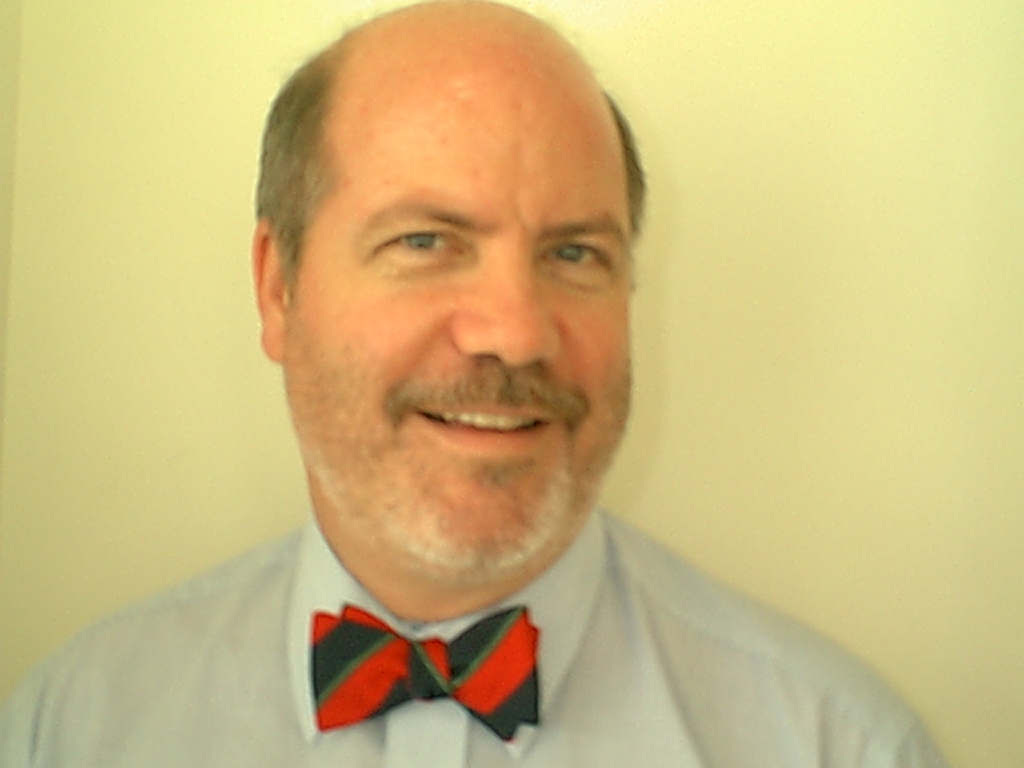
Photo of Rob Kennedy in the 90s when he was teaching.
The partnership with parents was constructive.
- My parents appreciated the education we were giving their children.
- I appreciated the support they gave us at home.
- In the 90s, I know that things were simpler because there were no smartphones and social media to distract my students.
Teaching was some of the hardest work I ever did.
- I had to draft thirty lesson plans for the week to be reviewed every Monday by the head of school.
- That preparation took several hours of my personal time to complete.
- Since I taught English and history, I assigned many essays that had to be read and corrected..
- I spent 2 or 3 hours every day correcting papers.
Despite that, my years teaching in private schools were some of the most satisfying times in my career.
Advantages of Working in a Private School
Flexible Curriculum
A private school teacher does not have to teach to the test.
- Public school teachers must focus on preparing their students to do well on state-mandated testing instead of actually teaching.
- Is It Wrong to Teach to The Test?, an article in Edutopia, explains what teaching to the test implies.
Private school curricula incorporate the state course requirements into their teaching.
- Schools then enrich those minimum requirements.
- Furthermore, since private school teachers don't have to teach to the test, they can facilitate those sidebars that inevitably come up in class.
- It is easier to follow the child when you aren't nervously watching the clock, knowing that your students must be prepared for that state test next month.
Small Class Sizes
Private school class sizes are generally smaller than similar public school classes.
- You can truly teach a small class of students.
- Discipline is rarely a problem.
- With a class of 12-15 students, I could see at a glance who understood the lesson and who didn't.
- That assessment is an important part of teaching.
Small class sizes encourage interaction and discussion.
- These activities are essential tools for developing critical thinking.
- Encouraging students to ask questions and express their opinions about a topic helps them see both sides of an argument or point of view.
- Interaction and discussion build confidence in young people.
- They learn how to discern the truth in the vast amount of information they encounter.
Increased Teacher Safety
Teachers feel safer in most private schools because they can enforce their discipline codes with impunity.
- In addition, most private schools have a much smaller student population than public schools.
- It is easier to supervise a smaller group of students.
- Student and teacher safety is a prime concern of the entire private school team, from head of school on down to the maintenance staff.
This video looks at the academics at Middlesex School in Concord, Massachusetts.
Different Kinds of Jobs in Private Schools
Private schools employ administrators, support staff, and teachers.
- The teachers give any private school its special, unique flavor.
- Most schools are very particular about the teaching styles and qualifications they are looking for.
- All the support staff, from the business manager down to the grounds keepers, understand and support the school's mission.
- This creates a community that is safe and focused on the young people in its care.
Educational Positions
Teacher
The teacher is responsible for educating students and setting expectations.
- Depending on the grade level, the teacher may be responsible for multiple subjects or focus on one subject.
- In addition to their teaching duties, private school teachers may have extra roles in study hall, monitoring meals in the cafeteria, coaching a sports team, and other after-school activities as spelled out contractually.
- GlassDoor shows the average salary for private school teachers of $35,000 to $95,000.
- Teaching positions have specialties such as special education, vocational training, and athletic training.
Teacher’s Assistant
The teacher’s assistant helps the teacher maintain the educational milieu of the class, prepares class materials, and works with students.
- The salary range will be less than what a teacher makes.
- The NCES offers State Education Data Profiles, which show the conditions in various parts of the nation.
Administrative & Support
Administrative and support positions include:
Business Manager: Oversees financial operations, budgeting, and resource allocation to ensure the school's fiscal health and efficient use of funds.
Development Director: Leads fundraising efforts, donor relations, and alumni engagement to secure resources for school growth and sustainability.
Admissions Director: Manages student recruitment, enrollment processes, and outreach to attract families aligned with the school's mission and values.
Office Manager: Oversees daily operations, policy implementation, and academic excellence while fostering a supportive educational environment.
Office Staff: Handles administrative tasks, communications, and logistics, ensuring smooth daily operations for students, staff, and families.
Guidance Counselor: Provides academic/emotional guidance, college preparation, and student wellness strategies to foster success.
Nurse: Manages health services, emergencies, and wellness initiatives to safeguard student and staff health.
Media Specialist: Curates educational resources, teaches research skills, functions as a librarian, and promotes literacy and digital fluency.
Maintenance: Maintains campus infrastructure and equipment, ensuring safe, functional learning environments.
Custodian: Ensures cleanliness and sanitation across classrooms, labs, and common areas.
Food Service:Prepares nutritious meals, accommodating dietary needs while adhering to safety standards.
Transportation: Coordinates safe, reliable student commuting via buses, routes, and safety protocols. [10 words]
This video shows a media specialist at work.
Teaching in a Private School vs. a Public School
Here are the key differences between public and private schools.
- Private schools offer more academic options.
- Private schools can offer their preferred methodology, which is why Waldorf, Montessori, and Classical Christian schools flourish.
- Private schools incorporate athletics options into the regular school day. They expect every student to participate.
- Private schools offer a range of extracurricular activities in which all students participate.
- Private schools control what they teach, subject to state educational academic minimums.
- Private schools can have a religious emphasis and affiliation with impunity. There are private schools affiliated with every religious sect imaginable.
- Private schools can develop a strong partnership with parents that supports academic excellence and intellectual growth.
- Discipline is rarely a problem. Any student rights are spelled out in the contract signed by parents and the school.
Teacher Safety
Teacher safety is generally a non-issue in most private schools.
- Students attend a private school because their parents want them to learn. It's cool to learn in a private school.
- Any rights that private school students have are spelled out in the contract between the school and parents. That contract is governed by contract law. The terms of their being at the school are very clearly spelled out in that contract.
- When an incident occurs, the consequences are swift and appropriate.
Class Size
Class sizes are small in most private schools.
- Typically, 12:1 is the ratio of students to faculty you will find.
- Most parochial schools have larger class sizes, generally in the range of 25-30 students.
- Teaching a small group of students is much easier than teaching a large class.
Supplies
Supplies such as books and equipment tend to be newer than those in public schools.
- Private school students buy their books at the beginning of the school year.
- Facilities and equipment are usually state-of-the-art in private schools as they have more funding options.
Curriculum
- Private school teachers have more say in the curriculum than they would in a public school.
- Most public schools (charter schools being an exception) must teach subjects in a curriculum set by the state from which they cannot deviate.
- The school district determines how to comply with the state's academic requirements.
- About 30 private schools follow the IB or International Baccalaureate Diploma Programme, which is a rigorous course of study leading to a diploma granted by an external examination body.
- Most college preparatory private schools use the College Board's Advanced Placement program.
Advanced Placement Courses
- Private schools offer a wide variety of AP courses.
- Private schools employ qualified, experienced staff and resources to teach Advanced Placement courses effectively.
Administration
Private schools tend to keep their administration fairly streaml