
Opinion

Has Technology Improved Educational Outcomes?

Updated
|
Has Technology Improved Educational Outcomes?
We have spent tens of billions on educational technology since the 1990s. Has all this spending improved educational outcomes?

This article has been updated to reflect 2026 data and recent developments.

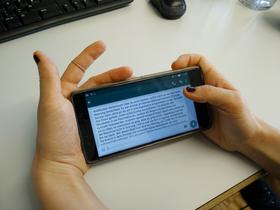
As a nation, we spend billions on K-12 educational technology. So, the question of whether all this spending is improving outcomes is a fair one. Has technology, in fact, improved educational outcomes?

In 2026, that question has become even more relevant as schools incorporate artificial intelligence, adaptive learning platforms, learning management systems, and other digital resources. Private School Review's Technology in Private School Classrooms in 2026 examines how these technologies are being incorporated into private school classrooms.

Pros

Technology has freed up administrative time

Electronic grade books save time for teachers. Computerized tests and quizzes save more time. The software that allows students to master skills in maths, sciences, and languages is a huge time saver. Email and blogs make communication with parents and administration instantaneous and very efficient. And the tools just keep getting better and better. The less time a teacher has to spend on administrative tasks, the more time she theoretically can spend on lesson preparation and other purely teaching-related tasks.

In 2026, learning management systems and AI-assisted tools can further streamline some administrative and instructional tasks. The U.S. Department of Education provides resources addressing the opportunities and considerations surrounding artificial intelligence in education. However, the value of these technologies still depends on how effectively teachers and schools use them.

Technology has opened new worlds

iPads and wireless networks
. . .read more

Should Teachers Be Unionized?

Updated
|
Should Teachers Be Unionized?
One of the basic differences between private and public schools is the fact that most public school teachers belong to a union. Should teachers be unionized?

This article has been updated to reflect 2026 data and recent developments.

One of the basic differences between private and public schools is the fact that many public school teachers belong to a union. Does that make a difference for public school teachers? Does having a unionized faculty benefit schools? How did unions get involved with public education? Are private school faculties unionized? Basically, the question is, should teachers be unionized or not? My answer to that question is "Yes" if you teach in a public school and "No" if you teach in a private school. Let me explain why.

The National Education Association explains that collective bargaining rights vary by state, an important distinction when comparing public and private school employment in 2026.

In Public Schools: The Case for Protection and Leverage

Public schools are essentially controlled by the government at the local, state, and national levels. They are also funded by taxpayers at all those levels. So it makes sense for teachers to want and need some protection from and leverage with those three quarters. The most potent protection public school teachers have is their union, where collective bargaining is permitted. Teacher unions also furnish the leverage or negotiating strength necessary to engage administrations in frank discussions about matters like compensation, class size, accountability, etc.

Private schools are funded primarily by the tuition fees paid by their customers, i.e., the parents of their students. Endowments and fundraising make up the delta between what tuition

. . .read more

Recent Articles

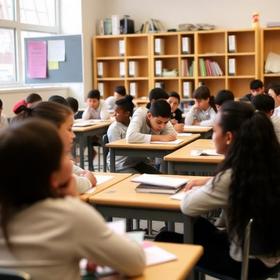
When Private Schools Cannot Offer Advanced Subjects
Discover what parents can do when private schools cannot offer advanced subjects, including alternative courses, independent study, college partnerships, graduation requirements, and strategies for maintaining academic progress and future opportunities.
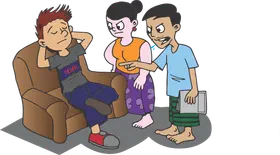
Child Refuses Private School Activities
Learn why children refuse private school group activities, how schools respond, when participation becomes mandatory, and practical ways parents can address anxiety, resistance, social difficulties, and student confidence effectively.
When Private School Classmates Have More Money
Discover how to help your child navigate wealth differences at private school, manage social pressure, build confidence, maintain friendships, and feel included without stretching your family's budget or compromising values.

Opinion