Why Private School in 2026?
As families plan for the 2026 school year and beyond, the question of educational fit feels more consequential than ever. Academic expectations are rising, student needs are becoming more individualized, and parents are seeking learning environments that are both rigorous and supportive. Against this backdrop, private schools continue to attract growing interest from families across income levels and regions.
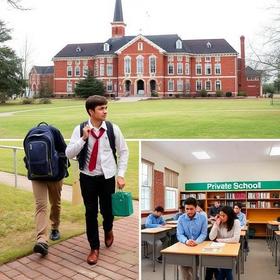
Private education in 2026 is not simply about tradition or prestige. It reflects a broader shift toward personalized learning, values-based education, and future-ready skill development. This article explores why private school remains a compelling option in 2026, and how today’s independent schools are adapting to meet the needs of modern students.
A More Personalized Academic Experience
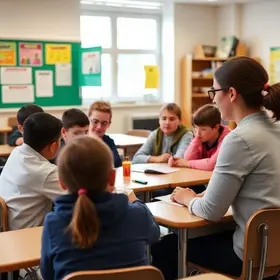
One of the most enduring advantages of private schools is their ability to offer individualized instruction. In 2026, this strength has only become more pronounced.
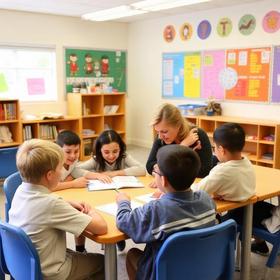
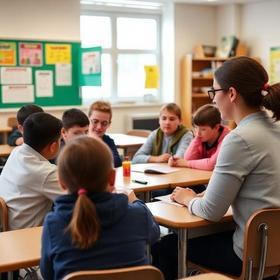
Private schools typically maintain lower student-to-teacher ratios, allowing educators to tailor instruction, identify learning gaps early, and challenge advanced students appropriately. Many schools now combine small class sizes with adaptive learning tools, offering a blend of human-centered teaching and data informed instruction.
According to the National Center for Education Statistics, private schools on average enroll fewer students per class than public schools, a factor consistently linked to higher engagement and academic outcomes.
Parents seeking academic environments that adapt to their child, rather than expecting the child to adapt to the system, often find private schools especially appealing.
Curriculum Flexibility and Innovation
Private schools enjoy greater autonomy in curriculum design, which has become a significant differentiator in 2026. Without the same regulatory constraints faced by public systems, many private schools have expanded offerings in areas such as:
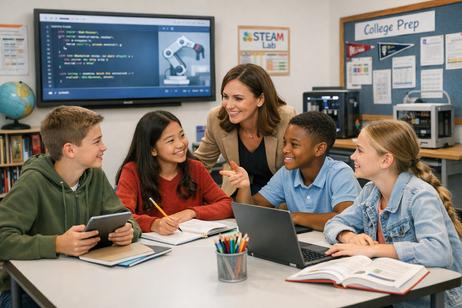
- Interdisciplinary STEM and STEAM programs
- Project-based and experiential learning
- Financial literacy and entrepreneurship
- Advanced humanities and global studies
This flexibility allows schools to respond quickly to emerging trends in higher education and the workforce. For example, coding, data analysis, and ethical artificial intelligence discussions are now common in private middle and high school curricula.
Families interested in how private schools structure their academic programs may also find value in this overview of private school curriculum differences.
Emphasis on Character, Values, and Community
In 2026, many families are prioritizing not just academic outcomes, but also character development and emotional well-being. Private schools often place explicit emphasis on values such as integrity, respect, leadership, and service.
Whether faith-based or secular, many private institutions integrate character education into daily school life through advisory programs, community service requirements, and restorative discipline practices. These approaches aim to educate the whole child, intellectually, socially, and ethically.
Research summarized by the National Association of Independent Schools highlights how independent schools foster strong school communities and promote civic engagement well beyond graduation.
Enhanced School Safety and Student Support
School safety remains a top concern for families nationwide. While no educational setting is immune to challenges, private schools often benefit from smaller campuses, tighter-knit communities, and greater control over security policies.
In 2026, many private schools have invested in:
- Modernized campus security systems
- Expanded counseling and wellness services
- Proactive social-emotional learning programs
- Clear behavioral expectations and accountability
Because administrators have more discretion over staffing and policies, private schools can often respond more swiftly to student concerns. Parents frequently cite this sense of responsiveness and accountability as a major reason for choosing private education.
Preparing Students for College and Beyond
College preparation has evolved significantly in recent years. In 2026, selective colleges increasingly value depth of learning, intellectual curiosity, and real-world engagement over test scores alone.
Private schools are often well positioned to support this shift. College counseling offices typically work with smaller caseloads, allowing counselors to guide students through course selection, extracurricular planning, and application strategy in a highly personalized way.
Many private high schools also maintain strong relationships with colleges and universities, offering students access to:
- Advanced Placement, IB, or honors coursework
- Independent research opportunities
- Internships and experiential learning
- Robust arts and athletics programs
For a closer look at outcomes, this analysis of private school college acceptance rates provides helpful context for families weighing long-term benefits.
Greater Choice and Educational Alignment
Private education in 2026 is more diverse than ever. Families can choose from a wide range of school models, including:
- Day and boarding schools
- Montessori and Waldorf programs
- Single-sex schools
- Language immersion schools
- Schools specializing in learning differences
This variety allows parents to align their child’s education with their learning style, interests, and family values. In contrast to one-size-fits-all systems, private schools offer intentional educational design.
Families new to the process may benefit from this guide on how to choose the right private school, which outlines key factors to consider.
Addressing the Cost Question in 2026
Cost remains one of the most significant considerations when evaluating private school. Tuition has continued to rise, but so have financial aid offerings and flexible payment options.
In 2026, many private schools are actively working to broaden access by expanding need-based financial aid, offering merit scholarships, and partnering with tuition assistance organizations. Some families also view private education as a long-term investment, weighing costs against class size, outcomes, and student well-being.
Independent analysis from EdChoice underscores the growing national conversation around educational choice and affordability, including the expanding role of scholarships and tax-advantaged education savings.
A Comparison Snapshot
Below is a simplified comparison of common considerations families evaluate in 2026:
| Factor | Private Schools | Public Schools |
|---|---|---|
| Class Size | Smaller, more personalized | Larger on average |
| Curriculum | Flexible, school-designed | State-mandated |
| Values Education | Often integrated | Varies by district |
| College Counseling | Individualized | Broader caseloads |
| Family Choice | Wide range of models | Limited by zoning |
Why Private School in 2026 Still Resonates
The renewed interest in private education reflects broader changes in how families think about schooling. Parents are seeking environments that challenge students academically, support them emotionally, and prepare them for an unpredictable future.
Private schools in 2026 are responding with innovation, accountability, and a renewed focus on the whole child. For families who value personalized learning, strong community, and educational alignment, private school remains a powerful and relevant choice.
As education continues to evolve, the core question remains the same: where will your child thrive? For many families, private school offers an answer that feels both forward-looking and deeply personal.