
Each year, thousands of families search for private school scholarships to help make tuition more affordable. As demand has grown, so has the number of fraudulent offers targeting hopeful parents and students. In 2026, scholarship scams have become more sophisticated, often mimicking legitimate financial aid programs and reputable schools.
This guide explains how private school scholarship scams work, the red flags families should watch for, and the steps you can take to protect your household. By understanding common tactics and verifying offers carefully, parents can focus on real opportunities and avoid costly mistakes.
Why Scholarship Scams Are Increasing in 2026
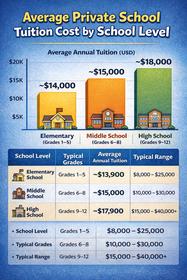
Private school tuition continues to rise nationwide, and many families rely on scholarships, grants, or tuition assistance to bridge the gap. Scammers exploit this financial pressure by promising guaranteed awards, exclusive access, or fast approvals.
Recent consumer protection data shows education-related scams growing steadily, particularly those using email, text messaging, and social media advertising. Fraudsters now use polished websites, professional branding, and AI-generated correspondence to appear legitimate.
According to the Federal Trade Commission, scholarship and grant scams remain among the most commonly reported education-related frauds, with families often losing hundreds or even thousands of dollars before realizing the deception.
Common Types of Private School Scholarship Scams
Understanding the most frequent scam formats helps families recognize warning signs early.
-
Guaranteed Scholarship Offers
No legitimate private school scholarship can guarantee funding without reviewing a student’s application. Claims such as “You have already won” or “Funds are reserved in your name” are nearly always fraudulent. -
Application Fee Scams
Some scammers charge high “processing” or “application” fees for scholarships that do not exist. While legitimate schools may charge application fees, scholarship applications themselves rarely require payment. -
Impersonation of Real Schools or Organizations
Fraudsters may use names similar to well-known private schools or scholarship foundations, sometimes copying logos or staff names from official websites.
-
Data Harvesting Scams
These schemes aim to collect personal information such as Social Security numbers, tax records, or banking details, which can later be used for identity theft. -
Refund or Overpayment Scams
Families receive a check labeled as a scholarship award and are asked to return a portion of the funds. The original check later bounces, leaving the family responsible for the full amount.
Major Red Flags Families Should Watch For
The following warning signs appear repeatedly in reported private school scholarship scams. Families should proceed with caution if any of these are present.
Requests for upfront payment to secure or release scholarship funds
Pressure to act immediately or risk losing the award
Requests for sensitive personal or financial information early in the process
Communication only through text messages or personal email accounts
Poor grammar, misspellings, or inconsistent branding
Scholarship offers not connected to a specific school or verified nonprofit
The Better Business Bureau notes that urgency and secrecy are among the strongest indicators of scholarship fraud. Legitimate programs encourage families to ask questions and verify details.
How Legitimate Private School Scholarships Typically Work
Understanding how authentic scholarships operate can make scams easier to spot.
| Legitimate Scholarships | Scam Offers |
|---|---|
| Administered by schools or established nonprofits | Run by unknown individuals or vague organizations |
| Require academic or financial documentation | Offer awards with no verification |
| Provide clear deadlines and selection criteria | Use pressure tactics and vague terms |
| Communicate through official school domains | Rely on free email services |
| Never guarantee awards | Promise guaranteed funding |
Most private schools outline their financial aid and scholarship programs directly on their websites. Families can also find helpful overviews in resources like the Private School Review financial aid guides, which explain how need-based aid and merit awards are typically awarded.
How to Verify a Scholarship Offer
Before sharing information or submitting documents, families should take the following steps.
-
Confirm the Source
Visit the official website of the school or organization offering the scholarship. Contact the admissions or financial aid office directly using the phone number listed on the site, not one provided in the message. -
Search for Complaints or Alerts
A quick online search of the scholarship name plus the word “scam” can reveal warnings from other families or consumer protection agencies. -
Check Nonprofit Status
If the scholarship is offered by a foundation, confirm its nonprofit registration through public databases. Legitimate organizations are transparent about leadership and mission. -
Ask Your School Counselor or Admissions Office
Experienced counselors and admissions professionals are familiar with common scams and can help evaluate questionable offers.
The National Association for College Admission Counseling advises families to rely on trusted school-based guidance when assessing scholarship legitimacy, especially when offers appear unsolicited.
Realistic Examples Families Are Seeing in 2026
In recent months, families have reported receiving emails claiming to represent “exclusive private academy scholarships” that require a $199 enrollment deposit to secure funding. Others describe social media ads offering “full tuition scholarships” with no application, only a request for personal details.
Another growing trend involves phishing emails impersonating financial aid offices at well-known private schools. These messages ask parents to “reconfirm banking information” due to a system update. Schools have repeatedly warned that they do not request sensitive information via unsolicited email.
What to Do If You Suspect a Scholarship Scam
If you believe you have encountered or fallen victim to a scam, take action quickly.
Stop all communication with the sender
Do not send additional money or documents
Notify your bank or credit card company if payments were made
Report the incident to the Federal Trade Commission
Inform the private school if its name was used fraudulently
Prompt reporting helps protect other families and may limit financial damage.
Protecting Your Family Moving Forward
Families can reduce risk by adopting a cautious, informed approach to scholarship searches.
Rely primarily on scholarships offered directly by schools you are applying to
Use trusted education resources and established scholarship databases
Keep copies of all communications and documents
Educate students about online safety and privacy
For families beginning their search, PrivateSchoolReview.com offers detailed school profiles and admissions insights that can help parents understand legitimate tuition assistance options and avoid questionable offers.
Final Thoughts for Parents and Educators
Private school scholarships play an important role in expanding access to high-quality education. Unfortunately, scammers continue to exploit families’ hopes and financial concerns. By staying informed and vigilant, parents and educators can help ensure that scholarship opportunities are genuine and beneficial.
This Private School Scholarship Scams & Red Flags to Watch Out For (2026 Guide) is designed to empower families with knowledge, not fear. When in doubt, slow down, verify sources, and seek guidance from trusted school professionals. Legitimate scholarships will stand up to scrutiny, and protecting your family’s financial security is always worth the extra time.