
How to Appeal for Financial Aid After Admission: Steps for New Private School Families
For many families, receiving a private school acceptance is a moment of excitement followed quickly by financial uncertainty. Even with an initial award, tuition and related costs may feel higher than expected. In these cases, families often ask whether it is possible to appeal for financial aid after admission. The answer is yes. With preparation, clarity, and respectful communication, families can successfully appeal for financial aid after admission and, in some cases, receive additional support.
This guide explains how to appeal for financial aid after admission in a professional and effective way. It reflects current 2026 financial aid practices, insights from admissions officers, and common policies at independent day and boarding schools. Parents who understand how to appeal for financial aid after admission are better positioned to advocate for their child while preserving a positive relationship with the school.
Understanding Financial Aid Appeals in 2026
Private schools continue to face increasing demand for tuition assistance. According to recent enrollment data summarized on PrivateSchoolReview.com, more than half of private school families now receive some form of need-based aid. As tuition rises, schools have refined how families may appeal for financial aid after admission.
An appeal for financial aid after admission is not a complaint. It is a formal request for reconsideration based on new, clarified, or changed financial information. Schools expect some families to appeal for financial aid after admission each year and typically build review time into the spring and early summer.
In 2026, many schools are using a combination of FACTS, Clarity, and School and Student Services (SSS) platforms to assess needs. Appeals are reviewed by financial aid committees, not individual admissions officers, which helps maintain fairness.
When It Makes Sense to Appeal for Financial Aid After Admission
Not every family should appeal for financial aid after admission. Appeals are most effective when supported by legitimate financial changes or overlooked context.
Common reasons families appeal for financial aid after admission include:
- A job loss, reduction in hours, or business downturn after submitting aid forms
- Unexpected medical expenses or elder care responsibilities
- Divorce, separation, or change in household income
- Multiple children enrolling in tuition-charging schools at the same time
- Errors or omissions in the original financial aid application
Families sometimes appeal for financial aid after admission simply because the offer feels insufficient. While this alone is not a strong reason, schools may still review the request if it is presented thoughtfully and supported with data.
Timing Your Appeal for Financial Aid After Admission
Timing is critical when you appeal for financial aid after admission. Most schools set an enrollment deadline, often in March or April for day schools and earlier for boarding schools. Appeals submitted before this deadline receive more attention.
Ideal timing to appeal for financial aid after admission:
- Within one to two weeks of receiving the award letter
- After reviewing tuition, fees, and total cost of attendance
- Before submitting the enrollment contract, if possible
Some families worry that delaying enrollment while they appeal for financial aid after admission could jeopardize their spot. In practice, schools prefer transparency and communication. Letting the admissions office know you are appealing for financial aid after admission demonstrates seriousness, not hesitation.
How to Prepare a Strong Financial Aid Appeal
Preparation is the foundation of a successful appeal for financial aid after admission. Schools respond best to clear, concise, and well-documented requests.
Before you appeal for financial aid after admission, gather:
- The original financial aid award letter
- Copies of tax returns and W-2s
- Recent pay stubs or proof of income changes
- Medical bills, insurance statements, or other major expenses
- A brief written explanation of your situation
Schools often recommend reviewing how aid is calculated. Families unfamiliar with the process may find it helpful to review PrivateSchoolReview’s overview of how private school financial aid works, which explains need-based methodologies and common misconceptions.
Writing the Financial Aid Appeal Letter
The appeal letter is the heart of your request. A successful appeal for financial aid after admission is professional, respectful, and focused on facts rather than emotion.
Key elements of an effective appeal letter:
- A clear statement that you are appealing for financial aid after admission
- Gratitude for the admission offer and initial award
- A concise explanation of new or clarified financial circumstances
- Supporting documentation referenced, not attached unless requested
- A closing statement expressing interest in enrolling if feasible
Avoid comparisons with other families or schools. Appeals that mention competing offers rarely strengthen an appeal for financial aid after admission unless explicitly invited by the school.
Sample Appeal Structure
While every letter should be personalized, most appeal for financial aid after admission letters follow a similar structure:
- Opening paragraph thanking the school and confirming intent to enroll if possible
- Middle paragraph explaining the financial change or oversight
- Final paragraph requesting reconsideration and outlining next steps
Admissions officers report that families who appeal for financial aid after admission with clarity and brevity are easier to advocate for during committee review.
Communicating With Admissions and Financial Aid Offices
After submitting your appeal for financial aid after admission, communication matters. Families should expect acknowledgment within one to two weeks, though review timelines vary.
Best practices include:
- Addressing the letter to the financial aid office, not individual staff
- Following up politely if you do not hear back within the stated timeframe
- Avoiding repeated emails or phone calls
Many schools coordinate admissions and aid decisions closely. Maintaining professionalism when you appeal for financial aid after admission reinforces your family’s credibility.
What Schools Can and Cannot Do
Understanding institutional constraints helps set realistic expectations when you appeal for financial aid after admission.
Schools can:
- Reassess your demonstrated need
- Adjust awards if funds are available
- Offer payment plans or tuition flexibility
Schools typically cannot:
- Negotiate merit awards if aid is strictly need-based
- Increase aid without documentation
- Guarantee future increases beyond the current year
According to independent school leaders interviewed by PrivateSchoolReview, most appeals result in either a modest increase or confirmation of the original award. Even when the award does not change, families benefit from clarity.
Appealing for Financial Aid After Admission at Boarding Schools vs Day Schools
The process to appeal for financial aid after admission is similar across school types, but cost structures differ.
| Factor | Day Schools | Boarding Schools |
|---|---|---|
| Tuition Range | Lower overall | Higher overall |
| Additional Costs | Transportation, activities | Room, board, travel |
| Appeal Flexibility | Moderate | Often higher due to total cost |
Boarding schools may have more discretionary funds but also higher demand. Families appealing for financial aid after admission at boarding schools should address travel, health insurance, and personal expenses in addition to tuition.
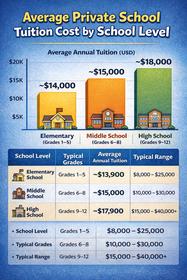
For more on boarding costs, families may reference PrivateSchoolReview’s article on understanding private school tuition and fees.
What Happens After the Appeal Decision
Once the committee reviews your appeal for financial aid after admission, the school will issue one of three responses:
- Increased award
- Modified offer with conditions, such as payment plans
- Confirmation of the original award
If the appeal for financial aid after admission is denied, families must decide whether enrollment is feasible. Schools understand that finances drive decisions and typically leave the door open for future reapplication or reconsideration if circumstances change.
Planning Ahead for Future Years
Even after a successful appeal for financial aid after admission, families should plan for annual reapplication. Aid is reassessed each year, and future appeals may require updated documentation.
Helpful strategies include:
- Maintaining organized financial records
- Notifying the school early about anticipated changes
- Understanding that aid may fluctuate with income and enrollment trends
Families who communicate proactively are often better positioned when they need to appeal for financial aid after admission again in future years.
Expert Perspective: Why Schools Respect Thoughtful Appeals
Financial aid directors consistently note that families who appeal for financial aid after admission with honesty and preparation stand out. Appeals are not seen as adversarial but as part of a partnership.
As one independent school financial aid officer shared in a 2026 admissions forum, “We would rather review a well-documented appeal for financial aid after admission than lose a student who is a great fit for our community.”
Final Thoughts
Learning how to appeal for financial aid after admission empowers families to make informed decisions about private education. While not every appeal leads to additional funds, a professional and well-supported appeal for financial aid after admission ensures your family’s circumstances are fully understood.
By preparing carefully, communicating respectfully, and understanding how schools evaluate need, families can approach the appeal process with confidence. For many, the decision to appeal for financial aid after admission becomes the final step toward making a private school education attainable and sustainable.