Adult Learner Success: How Private School Foundations Shape Lifelong Learning
Private school graduates often rediscover the value of their early education long after they leave the classroom. Many return to structured learning later in life to advance in their careers, acquire new skills, or pursue personal interests. While adult learners eventually enter a range of educational and professional environments, their K–12 foundations often determine how confidently they navigate this return.
This updated guide examines how independent school experiences contribute to adult learner success, the habits and competencies developed in private school that carry into adulthood, and how families and educators can support students in building the durable skills they will rely on years later. It also integrates 2025 trends that influence retraining, skill-building, and continuing education for adults.
The goal is not to evaluate or rank schooling options but to help families understand how a private school education can contribute to lifelong learning readiness.
Why Adult Learner Success Begins in Private School
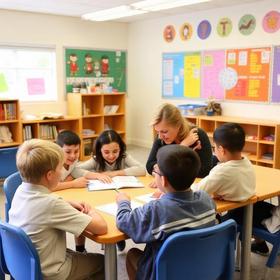
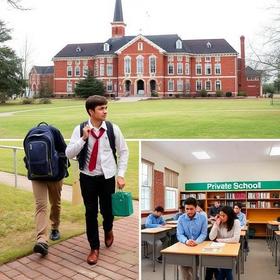
Independent elementary, middle, and high schools are known for nurturing academic engagement, curiosity, and self-direction. These traits often reemerge as students become adults and reenter structured learning environments.
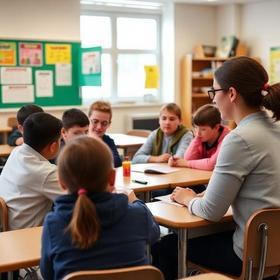
Adults return to education for diverse reasons, including career transitions, evolving workforce demands, or a desire to expand personal interests. Although the specific institution they choose later may vary, the habits they bring originate from earlier academic environments. Private schools, with their emphasis on small classes, close teacher relationships, and individualized instruction, tend to build early confidence that supports long-term learner success.
Families researching private school options can explore school data, profiles, and academic approaches on Private School Review, where learning environment comparisons help contextualize how schools cultivate these early skills.
How Private School Backgrounds Influence Adult Learner Success
Private school alumni often carry academic and personal strengths that reappear when they resume structured learning as adults. These strengths do not eliminate the challenges of returning to formal education, but they can significantly influence how adults approach academic reengagement.
Strengths Carried Into Adulthood
-
Strong study and writing skills
Private schools emphasize written communication, analytical reasoning, and structured assignments. These skills support adult learners as they handle professional development courses or certificate-based training. -
Experience with small, discussion-based classes
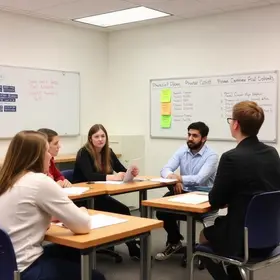
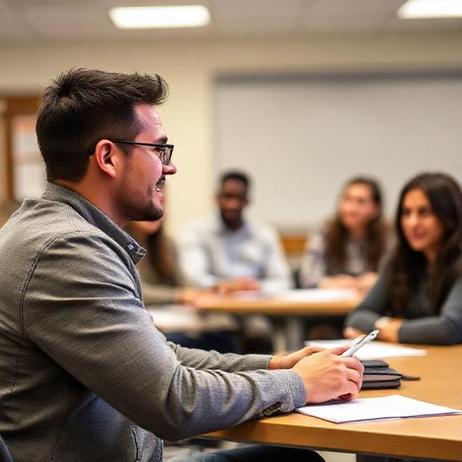
Alumni typically feel comfortable participating in seminars, workshops, and collaborative learning environments that many adult programs utilize. -
Close relationships with teachers and advisors
Independent schools often model how to seek help, communicate with mentors, and advocate for oneself. As adults, these habits make it easier to engage with advisors or career counselors. -
Exposure to advanced coursework
Early familiarity with accelerated classes builds resilience and confidence when tackling new or challenging material later in life. -
Time management and self-advocacy
Students in private schools often juggle academic expectations with extracurricular commitments. This early practice supports the organizational skills needed in adult learning.
These long-term benefits align closely with findings in related areas of K–12 preparation. For families who want to understand how different school environments compare, Public School Review offers additional context on curriculum expectations and academic readiness across sectors.
Challenges Adult Learners Face Later in Life
Even when private school graduates begin with strong foundational skills, adult learning introduces new demands.
-
Balancing multiple responsibilities
Adult learners often juggle full-time employment, family needs, and financial obligations. -
Returning to academic subjects after long gaps
Subjects like math, science, or foreign languages may feel distant after years away. -
Navigating rapidly changing technology
Adults may need to refresh digital skills or learn new tools used in modern learning platforms. -
Rebuilding academic confidence
Even high-achieving former students can feel uncertain when revisiting structured coursework.
Identifying these challenges early helps adults plan for a smoother transition into any structured learning environment, whether professional courses, industry training, or continuing education.
2025 Trends Influencing Adult Learning and Skill Development
The learning landscape in 2025 offers expanding pathways for adults to build and demonstrate new skills. Although these programs occur outside the K–12 sphere, understanding these trends helps families consider how early schooling prepares students for long-term adaptability.
Growth in Microcredentials and Skill Badges
Short, competency-based courses allow adults to update their skills quickly. These stackable credentials, widely used across fields like healthcare, IT, and business, help learners remain competitive in a fast-moving labor market.
Expansion of Online and Hybrid Learning
Flexible online formats support adults who require asynchronous or weekend learning. Students who learned to manage their time effectively in private school often adapt well to these models.
Employer-Funded Training Programs
More employers now subsidize ongoing education and professional upskilling. Adults with strong communication and organizational skills, often honed in private schools, tend to take greater advantage of these opportunities.
Increased Demand for Technology and Healthcare Skills
Workforce shifts continue to drive interest in fields with clear advancement pathways. Adults with strong analytical and problem-solving skills may find it easier to adapt to evolving requirements.
These trends highlight the importance of a K–12 education that builds not only knowledge but also adaptability, confidence, and a commitment to lifelong learning.
How Private Schools Can Foster Lifelong Learning Readiness
The habits that support adult learner success do not appear overnight. Independent schools play an essential role in shaping the skills that graduates rely on decades later.
1. Emphasizing Critical Thinking Over Memorization
Private schools frequently incorporate seminar discussions, interdisciplinary projects, and inquiry-based learning. These approaches encourage students to analyze information, communicate clearly, and challenge assumptions, all of which are central to adult learning.
2. Integrating Technology Early and Meaningfully
Even as technology evolves, early exposure to digital research tools, learning platforms, and productivity software helps students adapt more quickly to new systems as adults.
3. Strengthening Writing and Communication Skills
Writing-intensive curricula prepare students for the types of communication required in professional certificates, leadership programs, and continuing education.
4. Encouraging Student-Led Initiatives
Opportunities like clubs, service learning, or capstone projects foster independence and confidence, contributing to adult resilience and self-direction.
5. Providing Access to Counselors and Academic Advisors
Independent school guidance offices help students learn how to navigate requirements, ask questions, and make informed decisions. These habits become essential in adulthood, especially when pursuing new qualifications or training.
Boards and school leaders can reference research from Boarding School Review, which offers insights into long-term student outcomes, including how structured residential environments build independence and initiative.
Preparing Students Today for Success as Adult Learners Tomorrow
Families, educators, and school counselors can support future adult learner success by encouraging students to build skills they will use long after graduation.
-
Teach realistic time management strategies.
Understanding workload planning helps students handle future adult responsibilities. -
Promote the value of self-reflection.
Students who can evaluate their goals and progress often return to learning more purposefully. -
Encourage digital literacy across grade levels.
Regular use of modern tools builds comfort with technology that will continue evolving. -
Model help-seeking behaviors.
Students who learn to approach teachers, advisors, or mentors become adults who confidently pursue academic or professional support. -
Create opportunities for independent problem solving.
Autonomy strengthens resilience, a key predictor of adult learning persistence.
Case Example: A Private School Graduate Returning to Learning
Consider a graduate of a day school who entered the workforce immediately after high school. By age 32, they seek new skills to advance in their career. Their private school foundation in writing, project management, and collaboration helps them quickly adapt to structured training programs and professional development courses. They also feel comfortable interacting with instructors and using academic support resources, habits formed during their K–12 years.
This combination of early preparation and adult determination results in rapid skill acquisition, improved career prospects, and renewed confidence as a learner.
Summary Table: Skills That Support Adult Learner Success
| Skill or Habit | Influence on Adult Learning |
|---|---|
| Time management | Helps balance work and coursework |
| Writing and communication | Strengthens performance in training programs |
| Academic resilience | Supports persistence when learning new material |
| Digital literacy | Enables smooth use of modern learning platforms |
| Self-advocacy | Improves engagement with advisors or mentors |
| Collaborative experience | Aids participation in team-based learning |
Conclusion: The Long-Term Impact of Private School Preparation
Adult learner success rarely begins in adulthood. It is often rooted in the habits, values, and academic confidence established years earlier. Private schools build strong foundations in critical thinking, writing, self-direction, and relationship-building, all of which support adults who later return to structured learning.
As continuing education and workforce retraining opportunities expand in 2025, adults with strong K–12 preparation are better positioned to adapt, grow, and pursue new opportunities. For families evaluating private school options, understanding these long-term benefits can help guide decisions that influence a student's lifelong learning journey.