Montessori education has remained one of the most respected and enduring approaches to private education for more than a century. In 2026, Montessori private schools continue to attract families seeking a student-centered environment that prioritizes independence, curiosity, and hands-on learning.
Originally developed by Italian physician and educator Maria Montessori, the Montessori method emphasizes self-directed exploration, mixed-age classrooms, and carefully prepared learning environments. Today, Montessori private schools range from early childhood programs to full K-12 campuses, with many integrating modern technology and project-based learning while maintaining core Montessori principles.
For families exploring alternatives to traditional classrooms, understanding the benefits of Montessori private schools can help clarify whether this educational model aligns with a child’s learning style and long-term goals.
Parents who are beginning the broader private school search may also find it helpful to read How to Choose a Private School: 2026 Parent Guide and Private School vs Public School: Key Differences (2026 Guide).
What Makes Montessori Private Schools Different?
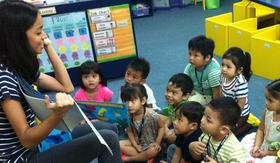
Montessori schools differ from many traditional classrooms in both structure and philosophy. Instead of teacher-led instruction dominating the school day, students typically move through guided activities at their own pace.
Core Montessori characteristics include:
- Multi-age classrooms
- Hands-on learning materials
- Student choice within structured limits
- Long, uninterrupted work periods
- Emphasis on independence and responsibility
- Teachers acting as guides rather than lecturers
According to the American Montessori Society, authentic Montessori programs are designed to support the developmental needs of the whole child, including academic, social, emotional, and practical growth.
Many Montessori private schools also maintain smaller class sizes, which can support individualized attention and stronger student-teacher relationships.
Key Benefits of Montessori Private Schools
1. Personalized Learning
One of the primary benefits of Montessori private schools is individualized instruction. Students are encouraged to progress at a pace that matches their readiness rather than being locked into a rigid whole-class schedule.
In practice, this means:
- Advanced learners can move ahead without waiting
- Students needing reinforcement receive additional time
Teachers observe closely and tailor lessons accordingly
This flexibility can reduce academic pressure while encouraging mastery and confidence.
In 2026, many Montessori schools have also incorporated adaptive educational technology carefully and selectively, balancing digital literacy with tactile, hands-on learning.
2. Strong Focus on Independence
Montessori classrooms are intentionally structured to help children become self-motivated and capable learners.
From an early age, students often:
- Select their own tasks
- Manage classroom materials
- Resolve minor conflicts independently
-
Develop time-management skills
This independence can translate into long-term benefits in high school, college, and beyond. Many educators note that Montessori students often demonstrate strong executive functioning skills, including organization, persistence, and self-direction.
The philosophy aligns with growing educational interest in student agency and lifelong learning, both of which have become major themes in education discussions in 2026.
3. Hands-On, Experiential Learning
Rather than relying heavily on worksheets or passive lectures, Montessori education emphasizes active engagement.
Students learn through:
- Manipulatives
- Real-world problem solving
- Collaborative activities
- Sensory exploration
-
Practical life exercises
For younger children especially, this tactile approach can strengthen comprehension and retention.
Research from the National Center for Education Statistics continues to reinforce the importance of active learning environments and small-group instruction in student engagement and academic development.
Montessori classrooms are designed so students learn by doing, not simply by memorizing.
4. Development of Social and Emotional Skills
Mixed-age classrooms are a defining feature of Montessori education. Students often remain with the same teacher for multiple years, creating continuity and stronger classroom communities.
Older students may mentor younger classmates, while younger children learn through observation and collaboration.
Benefits can include:
- Improved communication skills
- Increased empathy
- Leadership development
- Reduced competition
-
Greater emotional maturity
Many Montessori educators believe these social dynamics help students build confidence and interpersonal skills in a more natural and supportive environment.
As schools nationwide place increased emphasis on student wellness and emotional resilience in 2026, Montessori education’s whole-child focus continues to resonate with families.
5. Encouragement of Curiosity and Creativity
Montessori education encourages children to ask questions, explore topics deeply, and follow personal interests within a structured academic framework.
This approach can nurture:
- Intrinsic motivation
- Creativity
- Problem-solving ability
- Critical thinking
-
Intellectual curiosity
Instead of focusing primarily on grades or external rewards, Montessori environments aim to cultivate a genuine love of learning.
That distinction matters to many parents seeking alternatives to high-pressure academic environments.
Families interested in broader private school philosophies may also appreciate Why Private School? Key Considerations for Families in 2025.
Montessori vs. Traditional Private Schools
| Feature | Montessori Private Schools | Traditional Private Schools |
|---|---|---|
| Teaching Style | Student-directed | Teacher-directed |
| Classroom Structure | Multi-age groups | Same-age grades |
| Learning Pace | Individualized | Standardized pacing |
| Assessment | Observation-based | Tests and grades |
| Classroom Environment | Flexible and collaborative | Structured and scheduled |
| Student Role | Active participant | Often more passive |
Neither model is universally better. The right fit depends on the student’s personality, learning style, and educational needs.
What Parents Should Look for in a Montessori School
Not every school using the Montessori name follows authentic Montessori practices. Because the term “Montessori” is not trademarked, parents should evaluate programs carefully.
Important questions to ask include:
- Are teachers Montessori-certified?
- Does the school use authentic Montessori materials?
- Are classrooms truly multi-age?
- How much uninterrupted work time is provided?
Is the curriculum aligned with Montessori principles?
Parents can learn more in 5 Clues That It Might Not Really Be Montessori School.
Families may also want to review accreditation guidance from the Association Montessori Internationale.
Potential Challenges to Consider
While the benefits of Montessori private schools are significant for many students, the model may not fit every child or family.
Potential considerations include:
- Less emphasis on traditional grading systems
- Adjustment challenges when transitioning to conventional schools
- Tuition costs comparable to other private schools
-
Varying quality between programs
Some students thrive in highly structured environments with direct instruction and frequent assessments. Others excel with Montessori’s flexibility and autonomy.
School visits, classroom observations, and conversations with teachers remain essential before making a decision.
2026 Trends in Montessori Education
Several trends are shaping Montessori private schools in 2026:
Expanded Middle and High School Programs
More Montessori schools now extend beyond early childhood into adolescent education, integrating advanced academics with experiential learning.
Greater Integration of STEM
Many schools are blending Montessori methods with robotics, coding, engineering, and environmental science programs.
Outdoor and Nature-Based Learning
Outdoor classrooms, gardening programs, and sustainability education continue to grow in popularity.
Focus on Wellness and Mindfulness
Montessori schools increasingly emphasize mental health, emotional regulation, and balanced technology use.
These developments reflect broader changes across private education while maintaining Montessori’s foundational emphasis on independence and curiosity.
Conclusion
The benefits of Montessori private schools extend far beyond academics. For many students, Montessori education provides an environment that supports independence, creativity, collaboration, and a lifelong love of learning.
In 2026, Montessori schools continue to evolve while preserving the core principles established by Maria Montessori more than a century ago. Families seeking personalized learning, hands-on education, and whole-child development often find Montessori private schools to be a compelling alternative to traditional educational models.
As with any private school decision, the key is fit. The most effective Montessori environment is one that aligns with a child’s personality, learning style, and long-term educational goals.