Understanding Private School Costs in 2026
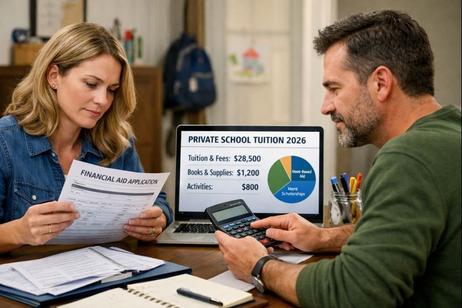
Private school tuition continues to rise, with the National Center for Education Statistics (NCES) reporting an average annual tuition of $18,400 for elementary schools and $23,200 for secondary schools in the 2025–26 academic year. These costs vary widely depending on school type, location, and program offerings. Boarding schools generally charge significantly more, with annual tuition ranging from $50,000 to $75,000, including room and board. NCES data shows that the fastest increases are occurring in independent schools with extensive extracurricular programs.
Additional costs often include registration fees, textbooks, uniforms, technology fees, and extracurricular activities. Parents should anticipate an extra $1,000–$3,000 per year for these expenses, depending on the school.
Tuition Payment Options and Policies
Most private schools offer several payment options, including annual, semester, and monthly plans. In 2026, a growing number of schools provide flexible payment software that automates billing and allows parents to manage tuition online. Early payment discounts remain common, typically ranging from 2% to 5%.
Some schools now allow income-based payment arrangements for families demonstrating financial need. Policies can vary, so parents should review the school’s financial agreement carefully and consider the total cost, including hidden fees.
Financial Aid and Scholarships
Financial aid is a critical tool for many families. Approximately 25% of students at independent private schools receive some form of financial assistance, according to the National Association of Independent Schools. Aid packages may cover partial tuition or, in rare cases, full tuition. Application deadlines usually align with admissions cycles, often requiring submissions 6–9 months before the start of school.
Scholarships are increasingly merit-based, emphasizing academic achievement, leadership, or talent in areas such as athletics or the arts. Parents should check if schools automatically consider applicants for scholarships or if a separate application is required.
Trends Affecting Private School Finances Several trends are shaping private school costs in 2026. First, inflation continues to impact operational expenses, particularly teacher salaries and technology upgrades. Schools are also expanding offerings in STEM, coding, and personalized learning, which can increase tuition.
Second, demographic shifts are influencing enrollment. Many schools are experiencing more diverse student populations, prompting financial aid programs to expand. The COVID-19 pandemic accelerated the adoption of hybrid learning, and schools now often include technology fees to support ongoing virtual instruction capabilities.
Third, competition with public and charter schools offering enhanced programs has pushed some private schools to differentiate themselves with specialized curricula or wellness initiatives, affecting overall tuition rates.
Planning for Private School Enrollment Parents should start financial planning early. Recommended steps include:
Budgeting for total costs: Include tuition, fees, transportation, and extracurriculars.
Exploring financial aid early: Research and apply for aid and scholarships ahead of admissions deadlines.
Consulting school financial offices: Many schools provide one-on-one financial counseling to help families understand payment plans and aid eligibility.
Considering 529 or education savings accounts: Using tax-advantaged accounts can help families plan for rising costs. The U.S. Department of Education offers guidance on education savings plans.
Immediate Parent Concerns in 2026 With tuition increases outpacing inflation, parents are most concerned about affordability, financial aid availability, and hidden costs. Experts recommend reviewing multiple schools and comparing tuition versus the value of academic programs, student-teacher ratios, and extracurricular offerings. According to recent reporting from Education Week, transparency in financial policies is becoming a key factor in parental decision-making.
Parents should also consider the timing of applications, as many schools now open early for early-decision and rolling admissions. Missing deadlines can reduce eligibility for financial aid or scholarships.
Strategies to Manage Costs Several strategies can help families manage private school expenses:
Spread payments across months: Utilize schools’ monthly payment plans to ease cash flow.
Leverage multiple aid sources: Apply for both school-based and external scholarships.
Negotiate tuition or fees: Some schools offer discounts for siblings or multi-year enrollment commitments.
Monitor lifestyle adjustments: Reducing discretionary spending can offset tuition increases.
Use educational savings accounts: 529 plans or similar tax-advantaged accounts grow over time, providing a financial buffer.
Conclusion
Navigating private school finances in 2026 requires careful planning, early research, and an understanding of current trends. By evaluating tuition, fees, financial aid options, and enrollment cycles, parents can make informed decisions that align with their family’s financial situation and educational goals. Proactive engagement with school financial offices and strategic use of savings and scholarship resources will help ensure that a private education remains both accessible and sustainable.