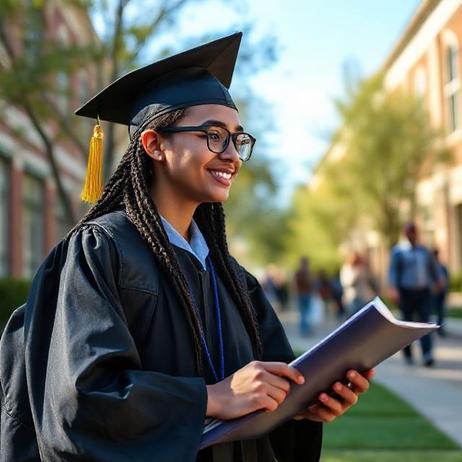
Evolving Post-Graduation Pathways for Private School Graduates Introduction
Families exploring private elementary, middle, and high schools increasingly want to understand how these schools prepare students for life after graduation. The traditional assumption that most private school seniors proceed directly into four-year colleges still holds for many, yet the landscape has become more varied, more intentional, and more individualized than it was even a decade ago.
This article examines how post-secondary planning is shifting for private school graduates, what is driving these changes, and how families can evaluate private schools based on the quality of their college counseling, preparation, and long-term educational guidance. It also offers practical recommendations for parents and educators as they help students chart purposeful pathways toward higher education.
Understanding the Shift
Private schools have long emphasized preparation for four-year colleges. Their rigorous academics, advisory systems, and counseling resources position graduates strongly for selective admissions. Yet in recent years, counselors report that students and families are reconsidering timelines, financial goals, and academic pathways. The result is a broader, more flexible approach to the college journey.
The shift is not away from college, but toward more personalized planning. Students are increasingly taking into account cost, readiness, mental health, academic fit, and long-term goals. As early as ninth grade, families are asking questions about pacing, preparedness, and alternative routes that support both academic and personal development.
What Is Driving the Change? 1. Cost and Value Considerations
Rising tuition at four-year colleges has prompted many families to reexamine assumptions about timing and affordability. Private school tuition already represents a significant investment. As a result, families often seek well-structured financial-aid guidance, graduation pathways that minimize debt, and programs that ensure students graduate from private school with strong academic foundations.
Families today expect private schools to provide transparent information on college outcomes, scholarship trends, and long-term value. Many also look for schools that integrate financial-aid literacy into their counseling programs so students can make informed choices about higher-education costs.
2. More Intentional College Counseling
Private school counseling offices have expanded their focus from simply placing students in colleges to helping students articulate their goals and understand varied routes to achieving them. This includes:
guidance on deferral planning
support for gap-year evaluation
instruction on financial-aid processes
individualized academic mapping
helping students understand the competitiveness of various majors
Schools with robust college counseling programs offer multi-year advising, frequent family meetings, and workshops on topics such as building a balanced college list, preparing strong applications, and navigating testing requirements. Articles such as Understanding Private School College Counseling from Private School Review can help families identify what strong support looks like.
3. Changing Student Mindsets
Students today place greater emphasis on mental well-being, college fit, and flexibility. Many are better informed about the factors that influence long-term satisfaction in college, including academic pace, campus culture, advising, and career exploration.
Private school counselors note that students are more open to considering:
taking a structured gap year
beginning at a smaller or less pressured academic environment
pursuing early career exploration
examining program-specific options rather than focusing exclusively on institutional prestige
These conversations create healthier expectations and help students choose pathways aligned with their interests, maturity, and goals.
4. Gap Years as Strategic Planning Tools
Gap years have gained traction among private school families, especially as structured programs have become more academically rigorous and professionally valuable. Well-designed gap years can include:
service learning
international study
formal academic programs
internships or pre-professional experiences
language immersion
Private school counselors report that students who take a purposeful gap year often enter college with clearer direction, improved focus, and stronger personal discipline.
Benefits for Students and Families
| Benefit | Explanation |
|---|---|
| Thoughtful pacing | Students can transition into higher education when ready academically, emotionally, and financially. |
| Reduced stress | A more individualized pathway eases pressure often associated with competitive admissions. |
| Stronger outcomes | Intentional planning often results in better academic performance, clearer major selection, and improved retention. |
| Financial clarity | Families can evaluate costs and scholarships more strategically. |
| Better self-knowledge | Students explore interests and goals before committing to a long-term academic track. |
Challenges and Considerations
Even with more flexible planning, private school families should be aware of potential challenges.
Academic continuity: Students who pursue a gap year or alternative timeline need to maintain academic momentum through structured experiences.
Admission requirements: Some colleges have specific expectations for students who defer enrollment or take time off. Strong counseling support is essential.
Program quality: Not all gap year or enrichment programs offer the same level of structure. Families should vet organizations carefully.
Perceptions and expectations: Families accustomed to traditional college timelines may initially question alternatives. Clear communication between counselors and families helps align expectations.
What Parents Should Know Start conversations early
Families benefit from engaging with counselors during the middle school or early high school years. Early planning helps students build a balanced academic schedule, develop extracurricular interests, and understand the long-term implications of their choices.
Evaluate the school’s counseling program
When researching private schools, parents should explore:
counselor-to-student ratios
the depth of college planning resources
access to writing support for applications
the number of years students receive structured guidance
Private School Review provides school profiles that outline these features in detail, helping families compare options.
Focus on readiness, not just admissions
Parents often find it helpful to ask whether their child is academically and emotionally prepared to enter a four-year environment immediately after graduation. Readiness can matter as much as selectivity in achieving long-term success.
Stay informed about financial-aid trends
Understanding need-based and merit-based aid, FAFSA changes, and scholarship opportunities gives families the tools to evaluate college costs realistically.
What Educators and Counselors Should Consider Integrate planning across grade levels
Many private schools are adopting multi-year college readiness programs rather than beginning formal counseling in the junior year.
Support diverse post-secondary goals
Not all students thrive on the same timetable. Counselors play a central role in helping families consider options that support student well-being and long-term achievement.
Strengthen communication with parents
Clear, ongoing communication enables families to make informed decisions about course selection, testing, and long-term planning.
Expand partnerships for experiential learning
Schools are increasingly collaborating with nonprofits, international programs, and local organizations to offer students meaningful experiences before college.
A Case in Point
Consider a student from a metropolitan private day school who excels academically but feels uncertain about selecting a major. Working with her college counselor, she develops a plan to complete a structured gap-year program focused on environmental research and community engagement. During the year, she gains clarity about her goals, strengthens her academic portfolio, and enters college the following fall with a clearer direction and renewed motivation.
Such case studies are becoming more common as private schools embrace more holistic definitions of student success.
Implications for Private School Evaluation
For families reviewing private school options, it is important to look beyond acceptance lists. Key indicators of strong post-secondary preparation include:
multi-year counseling support
transparency in college outcomes
thoughtful guidance that reflects each student’s goals
emphasis on well-being and pacing
exposure to diverse educational pathways
Private School Review offers tools that allow families to compare schools based on these qualities, including college enrollment statistics, academic offerings, and counseling resources.
Conclusion
As of 2025, private school graduates are navigating a more flexible and intentional college-planning landscape. Families increasingly prioritize long-term value, readiness, and individualized planning. Private schools play a crucial role in helping students map meaningful post-secondary trajectories through comprehensive counseling, balanced academic programs, and guidance that aligns with each student’s needs and aspirations.
Ultimately, the goal is not to follow a predetermined route but to create a plan that maximizes opportunity, supports personal growth, and positions students for success in college and beyond.