
Alternative Approaches

Here, we explore non-traditional approaches to education, such as Montessori, Waldorf, Reggio Emilia, and progressive schools. This subheading delves into the philosophies, teaching methods, and learning environments of these alternative models, helping parents understand their distinctive characteristics and potential benefits.

View the most popular articles in Alternative Approaches:

If We Did Rank Schools...

Updated
|
If We Did Rank Schools...
Wondering whether private school rankings really matter? Learn why school fit, campus visits, admissions insights, and your child's unique needs are more important than rankings alone.

So, let's assume that somehow, we could rank private schools. After all, asking how a particular school is ranked is something most parents want to know. We are accustomed to comparing just about everything these days. We comparison shop constantly. We rank our favorite teams. We know which pop artist is on top of the charts. And so on. Comparing and ranking anything and everything is just the way we do things. Doing so lets us know that we are getting the best value possible.

That comparison shopping approach works fine for most things in our daily lives. Unfortunately, it does not work when it comes to ranking private schools. Why? Because each private school is unique. How it is run, where it is located, the courses it offers, the sports programs, the extracurricular activities, its philosophy, and the results it gets are all unique.

That doesn't mean we can't compare the various features of private schools. That is doable, but it is a lot of work. As we have pointed out in Do Ranks Matter?, it is extremely difficult and time-consuming for ordinary people to find the data and information we need to arrive at a ranking system for private schools. But if we did rank private schools, here is how we would do it.

One reason rankings can be misleading is that families value different things. One family may prioritize a strong STEM curriculum, while another is searching for a school with exceptional arts

. . .read more

Progressive Schools

Updated
|
Progressive Schools
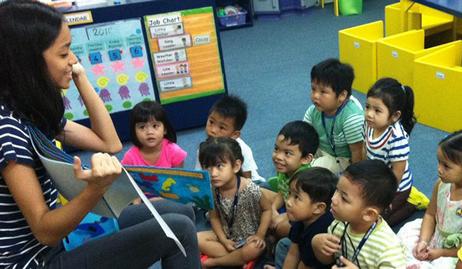
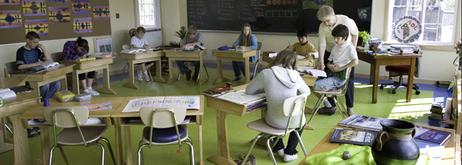
Explore the world of Progressive Schools as we explain their student-centered approach, emphasis on experiential learning, and focus on critical thinking skills. It discusses the movement's history, fundamental principles, and impact on modern education, highlighting how these schools foster holistic student development.

Progressive schools have been around since the early 1900s. Some educators think that progressives are rebels against traditional rote learning. Progressive educators like to think of themselves as reformers. The truth is somewhere in between the two points of view.

This video offers an overview of the Progressive movement.

The movement has an interesting history. Read about John Dewey (1859-1952), the modern founder of the movement in the U.S. You can only wonder what might have happened to public education had some of his ideas taken root. As it is, progressive educators and schools that employ their philosophies are confined to the private sector. A list of private schools that embrace progressive ideals, teachings, and curricula is below.

The Origins of the Progressive Movement

In

. . .read more

Alternative Schools

Updated
|
Alternative Schools
Sometimes a regular school is not the right fit for a child. Perhaps she needs an alternative school.

What is an alternative school? For most of us the term alternative school means a school with a non-traditional program. Its students could be 'gifted' or 'troubled' or have special learning needs.

Schools For The Gifted
Many schools for the gifted offer enrichment in academic subjects. Others specialize in the arts. Most of the students in these schools excel at their school work and in their artistic endeavors. They thrive in a school setting where they don't have to waste time on non-essential courses. The extra time gained is spent on music lessons, rehearsals and studio time.

Schools for Troubled Teens

Schools for troubled teens are often styled 'therapeutic' schools. Their students have been unable to succeed academically in regular schools. Perhaps discipline is a problem. Or the child has an eating disorder or is suicidal. The program at a therapeutic school tends to be highly structured so that a child learns how to cope. Some therapeutic schools deal with substance abuse issues. Children who are addicted to drugs and alcohol can find the professional help and counseling they need to change their lives. Other schools specialize in emotional growth issues.

Admission to these schools is on an 'as needed' basis. You won't have to wait until a certain date to admit your child. Some schools have minimum stays in order to ensure the effectiveness of their programs.

Schools for At Risk Teens
Several cities offer 'street schools' modeled after the highly successful Denver Street School.

. . .read more

Recent Articles

The Social Fit Interview: Questions to Ask Students, Not Admissions
Discover how talking with current students can reveal a private school's true culture and help families assess social fit before enrolling.
AI Companions and Student Well-Being: What Parents Should Ask
Learn how AI companions may affect student well-being and discover the key questions parents should ask before embracing this emerging technology.
Is a Phone-Free Private School Right for Your Child?
Explore the benefits, challenges, and key considerations of choosing a phone-free private school for your child in 2026.