For many families, private school is attractive because it offers academic rigor, smaller classes, strong faculty relationships, and extensive enrichment opportunities. These strengths can help students thrive, but they can also create pressure in highly competitive school environments. As expectations rise, many private schools are paying closer attention to student burnout and how to prevent it.
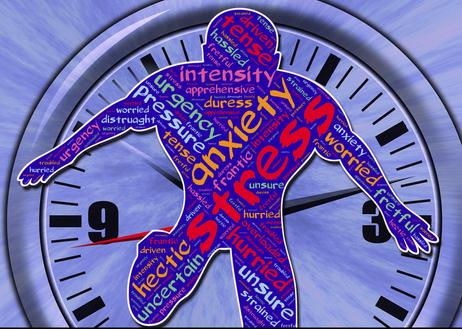
Student burnout is more than ordinary stress before a test or a busy week of assignments. It can include emotional exhaustion, reduced motivation, disengagement from learning, sleep problems, anxiety, and a sense that achievement is never enough. In high-achieving environments, students may feel pressure to earn top grades, build strong college applications, lead clubs, play sports, and maintain an active social life all at once.
Private schools are responding by rethinking how rigor and well-being can work together. The goal is not to make academics easier. Instead, schools are building systems that help students pursue excellence sustainably.
Understanding Student Burnout in Private Schools
Student burnout often develops gradually. A student who once enjoyed learning may begin completing work mechanically. Another student may continue earning strong grades while becoming anxious, exhausted, or withdrawn. Because many high-achieving students are skilled at meeting expectations, adults may not immediately recognize when they are struggling.
The Centers for Disease Control and Prevention has emphasized the importance of strong relationships and school connectedness in supporting adolescent mental health. For private schools, this reinforces one of their traditional strengths: the ability to know students well.
Smaller school communities often allow teachers, advisors, coaches, and counselors to notice changes in student behavior sooner. When schools use those relationships intentionally, they can intervene before stress turns into burnout.
Redefining Achievement Beyond Grades
One important shift is a broader definition of success. Grades, test scores, advanced coursework, and college admissions still matter, but many private schools are placing greater emphasis on resilience, curiosity, collaboration, leadership, and emotional maturity.
This broader view helps reduce the perfectionism that can drive burnout. Students need to understand that their worth is not measured only by academic performance. Schools that reinforce this message through advising, counseling, classroom culture, and college guidance can help students build a healthier relationship with achievement.
This shift also connects with study skills every private school student should master, including planning, organization, self-monitoring, and time management. When students learn how to manage their responsibilities effectively, they are less likely to feel overwhelmed by them.
Building Wellness Into the School Day
Many private schools are moving wellness from the margins of school life into the daily schedule. Rather than offering occasional assemblies, schools are creating advisory periods, wellness seminars, mindfulness sessions, and structured conversations about stress, sleep, relationships, and digital habits.
These programs often overlap with social-emotional learning, which helps students develop self-awareness, emotional regulation, empathy, and responsible decision-making. In a high-achieving school, these skills are not separate from academics. They support academic performance by helping students manage pressure more effectively.
The strongest programs are proactive. They do not wait until a student is in crisis. They teach students how to recognize stress, ask for help, set boundaries, and recover from setbacks.
Expanding Mental Health Support
Private schools are also investing more heavily in counseling and student support services. Many campuses now employ full-time counselors, psychologists, wellness directors, learning specialists, or student support teams. These professionals help students manage anxiety, academic stress, social concerns, family transitions, and other challenges that can affect learning.
The National Institute of Mental Health provides resources on child and adolescent mental health, including warning signs and guidance on when families should seek support. Schools are increasingly using similar frameworks to help faculty and parents recognize when a student may need additional care.
For families evaluating schools, mental health and wellness support in private schools has become an important part of the admissions conversation. Parents should ask how counseling is staffed, how students access support, how confidentiality is handled, and how the school responds when a student shows signs of serious distress.
Rethinking Homework and Academic Load
Academic rigor remains a defining feature of many private schools, but schools are examining whether workloads are balanced and purposeful. Excessive homework, overlapping deadlines, and constant high-stakes assessments can contribute to burnout, even among capable students.
Many schools are reviewing homework policies in private schools to ensure that assignments support learning rather than simply fill time. Some schools coordinate assessment calendars across departments, limit major assignments during certain periods, or protect breaks from heavy academic demands.
This does not mean eliminating challenge. It means making academic work more intentional. Students can still read deeply, write analytically, solve complex problems, and prepare for college while also having time for sleep, family, exercise, and reflection.
Encouraging Healthier Sleep Habits
Sleep is one of the clearest areas where student wellness and academic success intersect. Adolescents need sufficient sleep to concentrate, regulate emotions, retain information, and maintain physical health.
The American Academy of Pediatrics has recommended later start times for middle and high school students, noting the connection between sleep, health, safety, and academic performance. While not every private school can change its start time, many are educating students and parents about sleep hygiene and the risks of chronic sleep deprivation.
Some schools are also adjusting evening expectations, athletic schedules, technology policies, and homework norms to help students protect rest. The message is simple: sleep is not optional. It is part of academic readiness.
Creating Balance in Extracurricular Life
Private schools often offer impressive extracurricular programs, including athletics, arts, debate, robotics, service learning, student government, and academic clubs. These opportunities are valuable, but students can become overextended when they try to participate in too much at once.
Schools are encouraging students to choose activities with purpose rather than build long lists of commitments. Advisors and college counselors often help students understand that depth, consistency, and authentic interest matter more than overparticipation.
This is especially important as families consider private school extracurriculars as part of the overall student experience. A balanced extracurricular life should build confidence and community, not become another source of constant pressure.
Strengthening Faculty and Advisor Relationships
Close relationships between students and adults remain one of the most effective ways private schools can prevent burnout. Advisors, teachers, coaches, and dorm parents in boarding settings often see students across multiple parts of their lives.
The American Psychological Association offers extensive resources on stress and coping, and schools are increasingly applying similar principles through advisory systems and faculty training. When adults understand how stress appears in adolescents, they are better prepared to respond with support rather than simply urging students to work harder.
Strong advising also helps students make realistic choices. An advisor can help a student decide whether to take another advanced course, reduce an activity commitment, seek tutoring, or speak with a counselor.
Partnering With Parents
Preventing burnout requires cooperation between school and home. Private schools are increasingly offering parent education programs on academic pressure, adolescent mental health, technology use, sleep, and college admissions expectations.
Parents play a major role in shaping how students interpret success. When families emphasize balance, effort, character, and growth, students are more likely to develop sustainable habits. When schools and parents communicate regularly, they can identify stress patterns earlier and respond more effectively.
Conclusion
Private schools are not abandoning academic excellence. They are refining it. In high-achieving environments, the best schools recognize that students cannot reach their full potential if they are exhausted, anxious, or disconnected from learning.
By expanding mental health support, strengthening advisory systems, rethinking homework, building wellness into the school day, encouraging healthier sleep, and promoting balanced extracurricular participation, private schools are taking meaningful steps to prevent student burnout.
For families, the central question is no longer only whether a school is challenging. It is whether the school helps students meet challenges in a healthy, supported, and sustainable way. That balance is becoming one of the most important markers of a strong private school education.