For decades, student-athletes have pursued opportunities in traditional sports through school-based programs. Today, a growing number of students are finding similar pathways through esports. Competitive gaming has evolved from a niche hobby into a global industry worth billions of dollars, creating career opportunities that extend far beyond professional gameplay.
As esports continues to gain legitimacy in education and collegiate athletics, private schools are increasingly developing programs designed to support students interested in gaming, technology, broadcasting, game design, and esports management. These programs combine competitive opportunities with academic preparation, helping students build skills that can translate into a variety of career paths.
Much like the educational philosophy discussed in Athletics Are Not Optional, many schools view esports as another avenue for developing teamwork, leadership, strategic thinking, and communication skills.
Why Esports Is Becoming Part of Private School Education
The esports industry has grown dramatically over the past decade. According to the National Association of Esports Coaches and Directors, competitive gaming programs are now present in thousands of educational institutions across the United States.
Private schools are responding to this growth by creating structured esports programs that emphasize both competition and education. Rather than viewing gaming solely as recreation, many schools recognize its connection to technology, digital media, business, and STEM learning.
Students involved in esports often develop skills including:
- Team collaboration
- Strategic planning
- Communication
- Data analysis
- Leadership
- Problem-solving
- Digital literacy
- Time management
These competencies align closely with many of the broader educational goals found in independent schools.
What Private School Esports Programs Typically Include
Competitive Esports Teams
The foundation of most esports programs is organized competition.
Students may compete in popular titles such as:
- Rocket League
- League of Legends
- Valorant
- Super Smash Bros.
- Overwatch 2
- Minecraft Education Edition
Many schools participate in regional and national leagues, giving students opportunities to compete against peers from across the country.
Competitive participation often mirrors traditional athletics, with practices, coaching, team meetings, performance reviews, and tournaments.
Dedicated Gaming Facilities
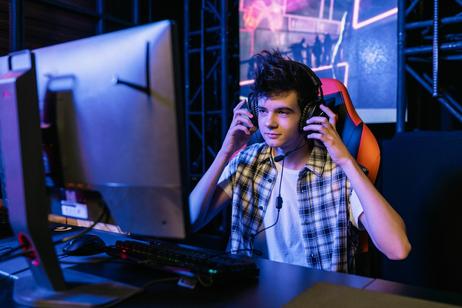
Many private schools investing in esports have created specialized gaming spaces equipped with:
- High-performance computers
- Professional-grade peripherals
- Streaming equipment
- Video production tools
- Team practice rooms
- Spectator viewing areas
These facilities provide students with environments that resemble collegiate esports programs and professional gaming organizations.
Coaching and Mentorship
Just as athletic teams benefit from experienced coaches, esports programs increasingly employ faculty advisors and gaming coaches who help students improve both technical and interpersonal skills.
Effective coaching often focuses on:
- Team communication
- Strategy development
- Leadership
- Conflict resolution
- Performance analysis
- Healthy gaming habits
Many schools emphasize personal development as strongly as competitive success.
Esports Careers Extend Beyond Professional Gaming
One of the biggest misconceptions about esports is that students must become professional players to benefit from participation.
In reality, esports serves as an entry point into numerous industries.
Technology and Software Development
Students interested in esports often develop interests in programming, cybersecurity, software engineering, and information technology.
Many private schools integrate esports with broader STEM initiatives. Families interested in technology-focused learning may also benefit from reading Academic Programs in Private Schools, which explores how independent schools expand educational opportunities beyond traditional coursework.
Broadcasting and Digital Media
Modern esports competitions require:
- Live production
- Broadcasting
- Commentary
- Video editing
- Graphic design
- Social media management
Students who participate behind the scenes often gain valuable experience in digital content creation and media production.
Business and Marketing
The esports ecosystem includes sponsorships, event management, advertising, merchandising, and brand development.
Students interested in entrepreneurship frequently discover opportunities to apply business concepts through esports-related projects and competitions.
Game Design and Development
Many students enter esports because they enjoy games, but participation can also spark interest in creating them.
Schools with strong technology programs may offer coursework in:
- Computer science
- Coding
- Animation
- Digital design
- Interactive media
These disciplines provide direct pathways into the growing gaming industry.
Colleges Are Embracing Esports
One factor driving interest in school esports programs is the rapid expansion of collegiate esports.
The National Association of Collegiate Esports supports hundreds of college esports programs across North America. Many institutions now offer scholarships for competitive gamers and have invested significantly in esports facilities.
As colleges continue expanding esports opportunities, students with organized competitive experience may gain advantages during recruitment and admissions processes.
Families interested in broader college preparation strategies may also find value in Can Private School Help with College Admissions?.
Balancing Gaming and Academic Success
Maintaining Academic Priorities
One concern parents frequently raise involves balancing gaming with academics.
Leading private schools address this challenge by integrating esports into structured educational environments. Students are typically expected to maintain academic standards in order to participate, much like traditional extracurricular activities.
This approach helps students learn responsibility, time management, and self-discipline.
Promoting Healthy Gaming Habits
Strong esports programs emphasize wellness alongside competition.
Many schools educate students about:
- Screen time management
- Ergonomics
- Physical fitness
- Mental wellness
- Sleep habits
- Digital citizenship
These lessons help students develop sustainable habits that support long-term success.
Building Leadership Skills
Esports teams often require captains, analysts, broadcasters, and event organizers.
Students frequently gain experience in:
- Public speaking
- Team leadership
- Collaboration
- Project management
These skills remain valuable regardless of whether students ultimately pursue careers in gaming.
Private Schools Leading Innovation in Esports
A growing number of schools are investing heavily in esports and gaming education.
Institutions such as Stanstead College have developed dedicated esports programs that combine competitive gaming with academic development and student leadership opportunities.
Other schools are integrating esports into broader technology initiatives, creating pathways that connect gaming with STEM education, media production, and business studies.
As esports continues to evolve, schools that embrace innovation may be particularly well-positioned to prepare students for emerging careers.
What Parents Should Look For
Families evaluating private school esports programs should consider several factors:
- Quality of coaching and supervision
- Academic standards for participation
- Technology and facility investments
- Connections to STEM programs
- Opportunities for leadership development
- College recruiting and scholarship support
- Emphasis on wellness and healthy gaming habits
Parents should also evaluate whether a school's esports philosophy aligns with its overall educational mission.
The Future of Esports in Private Education
The growth of esports shows little sign of slowing. Industry demand for talent continues to expand across technology, media, marketing, event management, software development, and competitive gaming.
Private schools are increasingly recognizing that esports can provide meaningful educational experiences while helping students develop valuable real-world skills.
As discussed in Sports: Part of a Balanced Education, extracurricular activities often provide some of the most important lessons students learn during their school years. For many students, esports is becoming one of those opportunities.
Conclusion
Private school programs for students interested in esports careers offer much more than competitive gaming. They provide opportunities to develop leadership, communication, teamwork, technology skills, and career-focused experience in one of the world's fastest-growing industries.
Whether students aspire to become professional players, software developers, broadcasters, marketers, or entrepreneurs, esports programs can serve as valuable gateways to future opportunities. As more schools invest in competitive gaming and related academic pathways, private education is likely to play an increasingly important role in shaping the next generation of esports professionals.