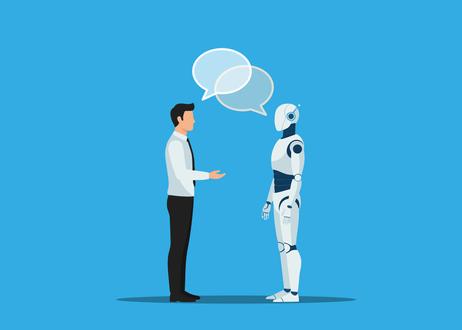
Artificial intelligence has quickly become one of the most influential technologies in education. From AI-powered tutoring tools and research assistants to writing support platforms and personalized learning applications, students are increasingly incorporating artificial intelligence into their daily academic routines.
For private schools, the rapid adoption of AI presents both opportunities and challenges. Educators are navigating questions about academic integrity, critical thinking, student accountability, and responsible technology use while also exploring how AI can enhance learning outcomes.
Rather than attempting to ignore or prohibit AI altogether, many private schools are embracing a more nuanced approach. They are developing policies, teaching digital literacy, and redesigning assignments to ensure students learn how to use AI effectively and ethically.
As explored in Technology in Private Schools: 2025 Insights, independent schools have historically been early adopters of educational innovation. Artificial intelligence represents the latest evolution in that trend.
Why AI-Assisted Learning Is Becoming Common
AI tools have become remarkably accessible. Students can now use platforms that help with:
- Research
- Brainstorming
- Writing support
- Coding assistance
- Language learning
- Study guides
- Test preparation
- Mathematical problem-solving
Unlike previous educational technologies, AI can generate customized responses and explanations in real time. This capability has transformed how many students approach assignments and independent study.
The question facing schools is no longer whether students will use AI. Instead, educators are increasingly focused on teaching students how to use it responsibly.
How Private Schools Are Responding
Developing Clear AI Policies
One of the first steps many schools have taken is creating formal AI usage guidelines.
These policies