Inclusive Education in Private Schools: Supporting Neurodiversity & Special Needs in 2026
As inclusive education continues to expand globally, private schools are redefining how they support students with neurodiverse profiles and special needs. In 2026, inclusion in private schooling isn’t just a buzzword—it’s a practical, evolving framework that reflects both legal obligations and best practices for reaching diverse learners. This guide helps families, educators, and policymakers understand what inclusion means in private settings and what progress is underway this year.
What Is Inclusive Education?
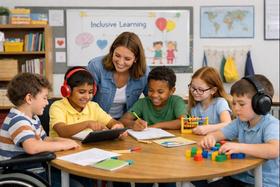
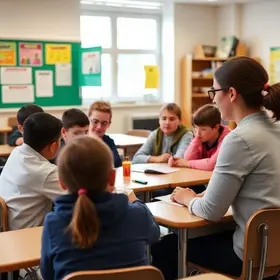
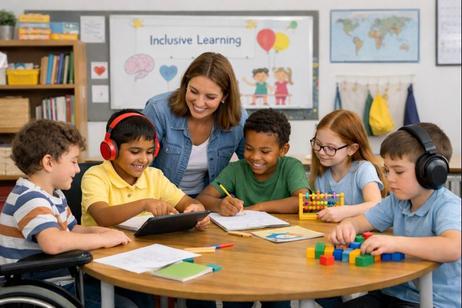
Inclusive education is an approach that supports all learners, regardless of ability, in environments where they can learn together and participate fully. Rather than segregating students by disability, inclusion emphasizes adapting classrooms, curriculum, and supports so students with varying needs thrive side by side. This aligns with global definitions of inclusive education that prioritize equitable participation, meaningful engagement, and removal of barriers to learning.
In many education systems, inclusion is grounded in legal frameworks that protect the rights of students with disabilities. For example, in the United States, statutes like the Individuals with Disabilities Education Act (IDEA) and Section 504 of the Rehabilitation Act ensure students receive support tailored to their individual needs.
Why It Matters Now (2026)
More families and educators embrace neurodiversity as a strength-based perspective, recognizing conditions like autism, ADHD, dyslexia, and related learning differences as variations in human cognition rather than deficits.
Schools are increasingly adopting Universal Design for Learning (UDL) and differentiated instruction to accommodate diverse learners without lowering expectations.
The global emphasis on inclusion reflects both ethical imperatives and educational research suggesting that diversity fosters empathy, self-esteem, and social integration for all students.
Inclusive Education: Private vs. Public Schools
Key Differences
| Feature | Public Schools | Private Schools |
|---|---|---|
| Legal Requirement for Services | Yes (e.g., IDEA, Section 504) | Varies by jurisdiction (no federal mandate in U.S.) ( Reddit ) |
| Funding for Special Supports | Provided at public expense ( Wikipedia ) | Often parental responsibility or included in tuition ( Inclusive News ) |
| Typical Student Distribution | Generally inclusive, placement varies by need ( National Center for Education Statistics ) | Highly variable; some schools specialize in inclusion, others less so |
| Teacher Training Requirements | Increasingly mandated and supported | Depends on school policy and resources |
| Accountability to Inclusion Standards | High in countries with disability laws | Variable and often guided by accreditation or internal policy |
What Federal Data Shows
In the U.S., recent Department of Education data shows that about two-thirds of students receiving special education services spend 80% or more of their school day in general education settings. However, that data largely reflects public school environments, with less comprehensive tracking of private school participation. There is limited quantitative data on inclusive placements in private schools globally, but qualitative research confirms inclusion varies widely with resources, staff capacity, and community commitment.
Inclusive Practices in Private Schools (2026)
Unlike public systems that follow federal compliance models, private schools often build inclusion through internal policies and strategic planning. Many adopt frameworks that go beyond compliance—focusing on adapting teaching methods, embedding supports, and fostering belonging.
Common Inclusive Practices
-
Individualized Education Plans (IEPs) or Goals
Private schools increasingly use IEP-style planning—even where not legally required—to outline supports like classroom accommodations, assistive technology, and therapy schedules. -
Multi-Disciplinary Support Teams
Schools may employ or partner with specialists such as:- Special education teachers
- Speech and language therapists
- Occupational therapists
- School psychologists
This team approach ensures students with complex needs receive targeted support across settings.
-
Professional Development for Educators
Ongoing training in neurodiversity-aware pedagogy, classroom management, and adaptive teaching strategies is essential. Many schools build partnerships with external inclusion specialists to train staff. -
Peer and Family Collaboration
Inclusive schools actively involve parents and peers in planning and problem-solving. This community-centered approach supports both academic and social outcomes. -
Universal Design and Flexible Curriculum
Adapted lesson plans, visual supports, flexible assessment options, and sensory-friendly spaces help remove barriers for diverse learners.
Regional and School Examples
In Lagos, Nigeria, several private schools offer inclusive models with strong in-house therapy, Individual Education Plans, and collaborations with parents and specialists.
In South Africa, independent schools like Teneo Online School design supportive environments celebrating neurodiversity and offering exam accommodations and learning scaffolds.
Globally, specialized private schools such as Aaron School and Rebecca School in the U.S. focus on tailored instruction for students with learning differences and neurodevelopmental disorders.
Legal and Policy Context (Important for Parents)
United States
Even if not mandated to deliver public special education services, private schools must observe anti-discrimination protections when receiving public funds (e.g., through vouchers or Title programs). Parents should check local and state policies regarding rights.
Global Trends
Countries with disability rights laws often extend inclusion requirements to all schools, though enforcement varies. For example, European nations increasingly require accessibility and accommodation standards for both public and private schools.
Choosing a Private School for Inclusive Education
When evaluating private schools as a parent or caregiver, consider the following:
✔ Resources & Expertise
Does the school have trained special educators or therapists?
What ratios and supports are in place for neurodiverse students?
✔ Inclusion Policy
Does the school publicly state its inclusion goals?
How does it integrate diversity into its curriculum and community?
✔ Collaboration
Are families treated as partners?
Does the school maintain transparent communication about goals and progress?
✔ Physical & Emotional Environment
Are classrooms adapted for sensory needs?
What pastoral care systems are available?
✔ Accountability & Review
Does the school monitor inclusive outcomes?
Are staff given professional development in current best practices?
Final Thoughts: Inclusion Is a Journey
Inclusive education in private schools in 2026 reflects a wide spectrum of practice—from exemplary programs grounded in neurodiversity principles to schools still building capacity. Good inclusion is not simply placing students with differing needs in the same room; it involves thoughtful planning, responsive teaching, and a culture of belonging that extends to every learner.
As research and advocacy continue to evolve, private schools that invest in inclusive systems lay the groundwork for greater academic success and social participation for all students—ensuring that diversity truly becomes a strength rather than a challenge.