For many families, choosing a private school involves more than academics, culture, and tuition. Transportation can be one of the most important practical considerations, particularly when a school draws students from multiple communities rather than a single attendance zone.
Private school transportation options have evolved significantly in recent years. Rising transportation costs, ongoing driver shortages, advances in route-planning technology, and growing parent demand for flexibility have prompted schools to rethink how students get to and from campus. In 2026, families evaluating private schools should understand the full range of transportation solutions available and how those options may affect daily schedules, costs, and convenience.
As you compare schools, transportation should be part of your overall evaluation process, alongside academics, school culture, and extracurricular offerings. Articles such as Choosing a Private School and What to Research Before Choosing a Private School provide additional guidance on assessing a school's overall fit for your family.
Why Transportation Matters More Than Ever
Unlike public schools, most private schools do not have geographically assigned attendance boundaries. Students often travel across cities, counties, and even state lines to attend a school that matches their educational needs.
That broader enrollment footprint creates unique transportation challenges:
- Longer commute distances
- Increased traffic congestion around campuses
- Greater demand for organized transportation services
- Scheduling complications for working parents
- Higher transportation operating costs
At the same time, many schools recognize that transportation availability can directly affect enrollment. Families may love a school's academic program but ultimately choose a different option if the daily commute is impractical.
Common Private School Transportation Options
School-Operated Bus Services
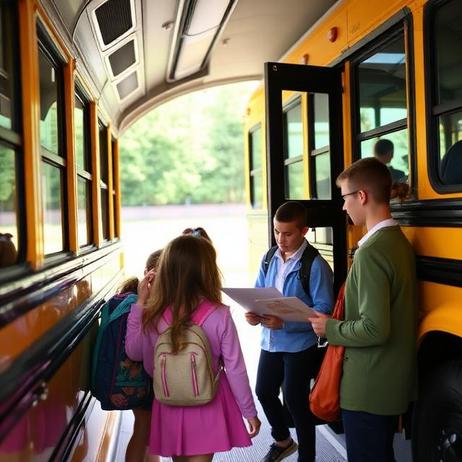
Many larger private schools operate their own bus fleets or contract with transportation providers.
This remains one of the most popular options because it offers:
- Consistent schedules
- Professional drivers
- Supervised transportation
- Reduced parent driving responsibilities
- Opportunities for students to socialize during the commute
Some schools establish centralized neighborhood pickup points rather than door-to-door service. This approach allows schools to serve wider geographic areas while controlling costs.
In 2026, many private schools use GPS tracking systems and parent notification apps that provide real-time arrival information and route updates.
Contracted Transportation Providers
Rather than maintaining their own fleet, many schools partner with specialized transportation companies.
These providers often supply:
- School buses
- Passenger vans
- Driver staffing
- Vehicle maintenance
- Route management software
Outsourcing transportation allows schools to focus on education while leveraging transportation expertise.
Parents should ask whether transportation is managed directly by the school or through a third-party contractor, as policies and communication procedures may differ.
Public School Transportation Partnerships
In some states, local public school districts are required to provide transportation for eligible private school students under certain circumstances.
Transportation rules vary significantly by state and district. Some jurisdictions provide transportation to private schools within specified mileage limits, while others offer no transportation assistance at all.
Families can review state-specific transportation information through their state's department of education and resources from the National Center for Education Statistics.
Before enrolling, parents should confirm:
- Eligibility requirements
- Pickup locations
- Service boundaries
- Application deadlines
- Transportation fees, if any
Parent Carpools
Carpooling remains one of the most common private school transportation options.
Benefits include:
- Reduced commuting costs
- Flexible scheduling
- Lower environmental impact
- Shared driving responsibilities
Many schools facilitate parent networking through family directories, transportation boards, or secure online communities to help families identify potential carpool partners.
Some schools now offer transportation matching platforms that connect families based on location and schedules.
Public Transit
Urban private schools frequently benefit from access to public transportation systems.
Older students may commute independently using:
- City buses
- Subway systems
- Light rail
- Commuter rail services
The American Public Transportation Association reports continued expansion of student transit programs in many metropolitan areas, making public transportation an increasingly viable option for high school students.
Parents should evaluate:
- Route reliability
- Travel time
- Safety considerations
- Weather-related disruptions
- Student maturity and independence
Private Transportation Services
A growing number of metropolitan areas now offer specialized student transportation companies.
These services typically provide:
- Shared student rides
- Background-checked drivers
- GPS monitoring
- App-based scheduling
- Parent tracking features
While often more expensive than traditional school buses, these services can help families manage transportation when school-provided options are limited.
Transportation Options Comparison
| Option | Convenience | Cost to Families | Supervision | Best For |
|---|---|---|---|---|
| School Bus | High | Low to Moderate | High | Daily commuters |
| Contracted Bus Service | High | Low to Moderate | High | Regional commuters |
| Public School Transportation | Moderate | Often Low | High | Eligible students |
| Carpool | Moderate | Low | Parent-supervised | Nearby families |
| Public Transit | Moderate | Low | Limited | Older students |
| Private Student Transport Services | High | Higher | Moderate to High | Flexible scheduling needs |
Questions Parents Should Ask
When touring schools, transportation should be part of the conversation.
Consider asking:
- Does the school provide transportation?
- What geographic areas are served?
- Are transportation fees separate from tuition?
- How long is the average student commute?
- What safety procedures are in place?
- Are buses equipped with GPS tracking?
- What happens during weather delays or emergencies?
- Is transportation available for athletics and extracurricular activities?
- Are there late buses for after-school programs?
- How often are routes reviewed and adjusted?
Transportation considerations are frequently included among the practical factors highlighted in Evaluating and Choosing a Private School.
Transportation Safety in 2026
Student safety remains the top priority for schools and families.
The latest guidance from the National Highway Traffic Safety Administration emphasizes the importance of properly trained drivers, vehicle maintenance, and clearly communicated safety procedures.
Many private schools now utilize:
- GPS vehicle tracking
- Electronic attendance systems
- Parent notification apps
- Driver background screening
- Video monitoring systems
- Emergency communication platforms
Parents should review transportation policies carefully and ensure emergency contacts remain current throughout the school year.
Emerging Transportation Trends
Several trends are reshaping private school transportation in 2026:
Technology-Driven Route Optimization
Schools increasingly use advanced software to reduce ride times, improve efficiency, and communicate with families in real time.
Sustainability Initiatives
Some schools are introducing electric buses and lower-emission transportation fleets. The federal government's clean school transportation initiatives continue to encourage adoption of cleaner transportation technologies through programs administered by the U.S. Environmental Protection Agency.
Expanded Regional Transportation Networks
Independent schools are increasingly collaborating with neighboring schools and transportation providers to create shared regional routes that serve more families efficiently.
Increased Parent Flexibility
Schools are offering more transportation choices than ever before, allowing families to combine bus service, carpools, and after-school transportation solutions based on changing schedules.
Balancing Convenience, Cost, and Fit
Transportation may not be the first factor families consider when evaluating schools, but it can have a significant impact on daily life. A long commute can affect student well-being, family schedules, and participation in extracurricular activities.
As you evaluate private school transportation options, consider both current and future needs. A transportation plan that works for an elementary student may look very different by middle or high school.
The best approach is to view transportation as one component of a school's overall value proposition. Alongside academics, community, and student support services, reliable transportation can contribute significantly to a successful school experience. Families seeking a broader framework for school selection may also find value in How to Choose the Right Private School in 2026.
Frequently Asked Questions
Do most private schools provide transportation?
It varies widely. Larger private schools are more likely to offer bus service, while smaller schools may rely on carpools or contracted transportation providers.
Is transportation included in private school tuition?
Often it is not. Many schools charge separate transportation fees based on distance, route, or service level.
Are private school buses as safe as public school buses?
Private school transportation providers generally follow the same federal and state safety regulations governing school transportation, although requirements may vary by jurisdiction.
What is a reasonable commute time for a private school student?
Many education experts recommend keeping daily one-way commutes under 45 minutes when possible, though acceptable travel times depend on the student's age, schedule, and extracurricular commitments.
Can private school students use public transportation?
In many urban areas, yes. Older students frequently use public transit systems when routes are safe, reliable, and convenient.