Private schools often emphasize close-knit communities, lasting friendships, and strong relationships among families. However, these connections can become complicated when a child discovers that classmates have been invited to a birthday party, weekend gathering, or social event while they have been left out. For parents, seeing their child excluded from private school birthday parties and social events can be upsetting, particularly when the school community is small and social relationships are closely connected.
A child who once felt comfortable among classmates may suddenly question friendships, worry about being disliked, or become reluctant to participate in school activities. Although not every missed invitation signals intentional exclusion or bullying, repeated experiences can affect a child's confidence and sense of belonging. Understanding when to offer reassurance, when to communicate with other parents, and when to involve the school can help families respond constructively without making the situation worse.
Why Social Exclusion Can Feel Especially Difficult in Private Schools
Many private schools have relatively small classes, making social relationships particularly visible. When a class contains only 15 or 20 students, being excluded from a gathering attended by nearly everyone else can be difficult to overlook. Children may hear classmates discussing an upcoming party, see photographs afterward, or discover that a group chat includes everyone except them.
The emotional impact can extend beyond the event itself. Students may begin questioning their place within the classroom or worrying about future invitations. The Centers for Disease Control and Prevention explains that students who feel valued, supported, and connected to their school communities generally experience stronger educational and well-being outcomes. This makes social belonging an important consideration when evaluating a child's school experience.
Private School Review's article on evaluating private school culture and belonging explores how families can assess whether a school's social environment accommodates different personalities, interests, and friendship groups. Although schools cannot guarantee invitations to private gatherings, they can help create an environment where students feel accepted during the school day.
Is Missing a Birthday Party an Example of Bullying?
Parents should distinguish between an isolated disappointment and a deliberate pattern of exclusion. A child not receiving an invitation to a small birthday gathering does not automatically mean classmates are bullying them. Children naturally develop different friendships, and families have the right to organize private celebrations.
However, the situation becomes more concerning when exclusion is intentional, repeated, or designed to embarrass a particular student. According to StopBullying.gov, social bullying can include deliberately excluding someone, encouraging others to avoid a classmate, or damaging a student's relationships and reputation. Bullying also involves a real or perceived power imbalance and behavior that is repeated or has the potential to recur.
Consider two situations. In the first, a student invites four close friends to a birthday celebration, leaving several classmates uninvited. In the second, nearly every student in a class receives an invitation except one child, and classmates repeatedly emphasize that exclusion. The second situation deserves closer attention, particularly if similar incidents continue. Parents should investigate patterns before assuming malicious intentions.
How Should Parents Respond When Their Child Feels Left Out?
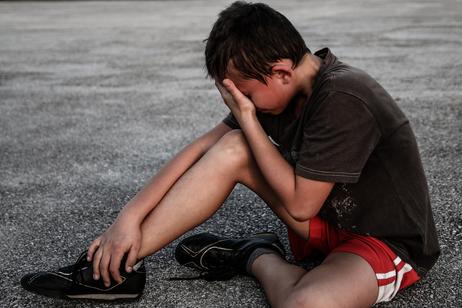
A child's first reaction may involve sadness, anger, embarrassment, or confusion. Parents naturally want to protect their children, but immediately contacting other families or demanding an invitation may create additional discomfort. Instead, begin by listening and asking how your child learned about the event, whether other classmates were excluded, and how the situation has affected their friendships.
The American Academy of Pediatrics advises parents to acknowledge children's feelings when they experience peer rejection and help them navigate difficult social situations. Avoid dismissing the disappointment with statements suggesting that the event does not matter. For a child, belonging to a friendship group can be an important part of everyday school life.
At the same time, parents should avoid reinforcing the idea that receiving every invitation determines their child's popularity or personal worth. A supportive conversation can help children understand that friendships change, not every social activity includes everyone, and one disappointing experience does not define their relationships.
Should You Contact the Parents Hosting the Event?
Contacting another parent requires careful judgment. If families have an established relationship, a respectful conversation may clarify whether an invitation was overlooked or whether a misunderstanding occurred. However, requesting that a child be included in a private gathering can place both families in an uncomfortable position.
Parents should generally avoid confronting hosts publicly, criticizing their decisions in parent group chats, or pressuring them to extend invitations. An invitation obtained through parental pressure may not provide the genuine friendship or acceptance the child needs. When exclusion appears intentional or repeated, focus on understanding the broader social situation rather than securing access to one particular event.
Parents should also consider how their own behavior influences school relationships. Private School Review's discussion of helicopter, Velcro, and snowplow parents highlights the importance of allowing children appropriate opportunities to develop independence and manage challenges. The objective should be to support the child's social development without attempting to control every friendship.
When Should the Private School Become Involved?
Birthday parties and weekend gatherings are generally private family activities. Schools usually cannot determine whom families must invite to celebrations outside school. However, schools may have responsibilities when exclusion becomes part of a broader pattern of bullying or begins disrupting the classroom environment.
For example, classmates might repeatedly discuss gatherings specifically to embarrass an excluded student. Alternatively, a child may begin experiencing similar rejection during lunch, recess, group projects, or school-sponsored activities. In these circumstances, parents should communicate with the classroom teacher, counselor, or appropriate administrator.
The Centers for Disease Control and Prevention identifies supportive peer relationships and opportunities for positive interaction as important components of school connectedness. Rather than asking teachers to intervene in private invitation decisions, parents can explain how the situation affects their child's school experience and ask whether staff have observed friendship conflicts or repeated unkind behavior.
Schools may be able to facilitate constructive interactions, provide counseling support, or address inappropriate behavior occurring on campus. Parents should approach these conversations collaboratively, focusing on the child's well-being rather than assigning blame without sufficient information.
How Social Media Can Make Exclusion More Painful
In 2026, birthday parties and social gatherings frequently continue online through photographs, videos, messaging groups, and social media posts. A child who misses an event may repeatedly encounter images showing classmates celebrating together. Older students may experience additional pressure when group chats, invitations, and social plans are organized digitally.
The Child Mind Institute explains that adolescent loneliness can involve feeling disconnected even when surrounded by peers. Its guidance encourages parents to validate these experiences and help teenagers develop meaningful relationships without trying to solve every social difficulty for them.
Parents should discuss how online interactions affect their child's feelings and encourage healthy boundaries around social media. For younger children, limiting unnecessary exposure to classmates' online activities may reduce repeated reminders of an upsetting event. For teenagers, conversations about digital behavior, privacy, and friendship expectations may be more appropriate than simply restricting access.
Helping Your Child Build Friendships Beyond One Social Group
When a child feels excluded, parents may focus heavily on gaining acceptance from the classmates responsible. However, encouraging connections beyond a single friendship group can provide a healthier long-term approach. Children may discover meaningful relationships through athletics, music, theater, community service, neighborhood activities, or friendships outside their school.
These opportunities can be particularly valuable in smaller private schools where established social circles sometimes limit the number of available friendships. Parents can also organize modest gatherings that encourage natural interaction without creating competition over invitations. A weekend activity involving two or three classmates may offer a more comfortable environment for developing genuine friendships than a large celebration.
Private School Review's article on the social fit interview discusses how families can assess friendship opportunities, student interactions, and the social culture of a private school. The same principles apply after enrollment. Children benefit from environments where multiple opportunities for connection exist rather than depending entirely on acceptance by one group.
When Exclusion Begins Affecting Your Child's Well-Being
Occasional disappointment is a normal part of childhood, but persistent exclusion can become emotionally damaging. Parents should pay attention when a child begins avoiding school, withdrawing from activities, experiencing sleep difficulties, or expressing repeated concerns about being disliked. Changes in academic engagement, appetite, or confidence may also indicate that social difficulties are affecting overall well-being.
Not every behavioral change results from exclusion, so parents should avoid making assumptions without discussing the situation with their child. If concerns persist, a school counselor or qualified mental health professional may help the child develop coping strategies and strengthen social confidence.
Importantly, children should understand that being excluded does not necessarily mean something is wrong with them. Supportive relationships with parents, teachers, and trusted friends can help children maintain perspective while navigating difficult social experiences.
Creating a Healthier Private School Social Experience
When your child is excluded from private school birthday parties and social events, the most effective response usually involves balancing empathy with perspective. Parents should acknowledge disappointment, investigate repeated patterns, and communicate with school staff when exclusion affects classroom relationships or student well-being.
At the same time, families should respect the boundaries of private gatherings and avoid attempting to control every social invitation. A successful private school experience should not depend on attending every birthday party or belonging to the most popular friendship group.
What matters more is whether children develop meaningful relationships, feel respected within their school community, and have opportunities to participate in activities where they are valued. By responding thoughtfully and encouraging diverse friendships, parents can help their children navigate social disappointment while developing the confidence and resilience needed for healthy relationships throughout life.