High School

Learn more about high school academics, discipline policies and other issues relevant to private schools. Here we cover dress codes, explain the difference between AP and IB courses and discuss teen suicide. You’ll also find information on study abroad programs, codes of conduct and the best graduation gifts.

View the most popular articles in High School:

Pre-AP, PSAT/NMSQT, BlueBook, and More

Updated
|
This article explains the College Board's programs designed to prepare middle and high school students for the SAT. It covers Pre-AP courses, and the PSAT Suite of Assessments, highlighting how these programs use technology to enhance learning.

As one parent to another, understanding the CollegeBoard's programs is crucial for supporting your high schooler.

  • It's not simply a matter of SAT prep, although that is one goal.
  • The Pre-AP and PSAT offer you an opportunity to determine whether your child will succeed in college-level academic work or perhaps is better suited for a hands-on vocational or paraprofessional career path.
  • Given that a college education costs from $4,000 to $68,000 per year, figuring out what happens after graduation makes good sense.
  • The College Board offers a range of programs designed to help middle and high school students build the skills and confidence they need to succeed in college and beyond.

The College Board is a well-known, established organization that plays a significant role in preparing high school students for college through its various programs.

  • One of the key ways the College Board does this is by helping students prepare for the SAT, a critical exam for college admissions.
  • The College Board's programs are designed to be accessible and engaging for a variety of learning styles.
  • By understanding these programs, parents can better support their children's high school education.

Overview of Programs

Here's an overview of these programs, together with explanations of how they provide some valuable insights into a student's abilities and skills.

Pre-AP Programs

The Pre-AP program is an excellent way for students to prepare for Advanced Placement (AP) courses.

  • This introduction to AP courses is especially useful for students who might
. . .read more

How To Use AI For Research: A High School Student's Guide

Updated
|
How To Use AI For Research: A High School Student's Guide
We introduce teenagers to AI as a powerful alternative to traditional search engines. This practical guide walks students through using AI tools like Perplexity and ChatGPT for academic research while maintaining intellectual integrity.

As a high school student in 2025, you're at the perfect moment to embrace AI as a powerful research tool.

  • Unlike traditional search engines, such as Google or Bing, AI research assistants such as ChatGPT, MetaAI, Perplexity, Microsoft Copilot, and Gemini can understand complex questions and synthesize information.
  • They can help you develop ideas in ways that weren't possible just a few years ago.

In this article, I will share with you some of the strategies I have learned about using AI tools in my writing over the past two years.

  • I will help you learn how to harness the tremendous capabilities of AI tools effectively.
  • I'll also address the issue of academic integrity.
  • Finally, I would ask any parents and teachers who have read this far to share this article with some young people and discuss some of my strategies with them.

Getting Started with AI Research Tools

The first thing to understand about AI research tools is that they function differently from search engines like Google and Bing, with which you're familiar.

  • Instead of providing links to websites, they generate direct answers by analyzing vast amounts of information.
  • As a result, you can ask questions, give commands in natural language, and receive comprehensive responses tailored to your needs.
  • It's similar to having a live research assistant working for you.
  • Moreover, AI tools are available 24/7, are always responsive, and quickly adapt themselves to your style of research and writing.
  • Furthermore, they save your work so
. . .read more

Expelled for Smoking Pot: What Parents Need to Know

Updated
|
Expelled for Smoking Pot: What Parents Need to Know
We explore the consequences of marijuana use in private schools, discussing expulsion policies, legal implications, and impacts on college admissions. This Q&A format article provides insights for parents navigating disciplinary actions and offers advice on prevention and support for students.

Most private schools have Codes of Discipline that will not tolerate substance abuse. Smoking pot or drinking alcohol are common examples of substance abuse. I am bringing this up because many parents think that they can appeal disciplinary action a school brings against students. The problem is that students attending a private school are covered by what is known as contract law. In a public school they would have rights. That is not the case in a private school. Students' rights are clearly spelled out in the contract parents and the school sign.

Here, then, are some common questions parents have about private school discipline and how infractions of the school's discipline code are usually handled.

Parent:

My child has been expelled for smoking pot at their private school. I'm shocked and don't understand why the consequences are so severe. Can you explain?

School:

We understand this is a difficult situation. Private schools have strict policies regarding substance abuse, including marijuana use. When students break these rules, they face immediate consequences, often including expulsion. This is because private schools operate under contract law, which allows them to take action in disciplinary matters compared to what can happen in public schools.

Basically, it means that if you go to a private school, you are not covered by the same laws as you were when you attended public school. Private schools are covered by something called contract law. It means that schools have the right, and obligation, to act
. . .read more

Technology in the Classroom

Updated
|
Technology in the Classroom
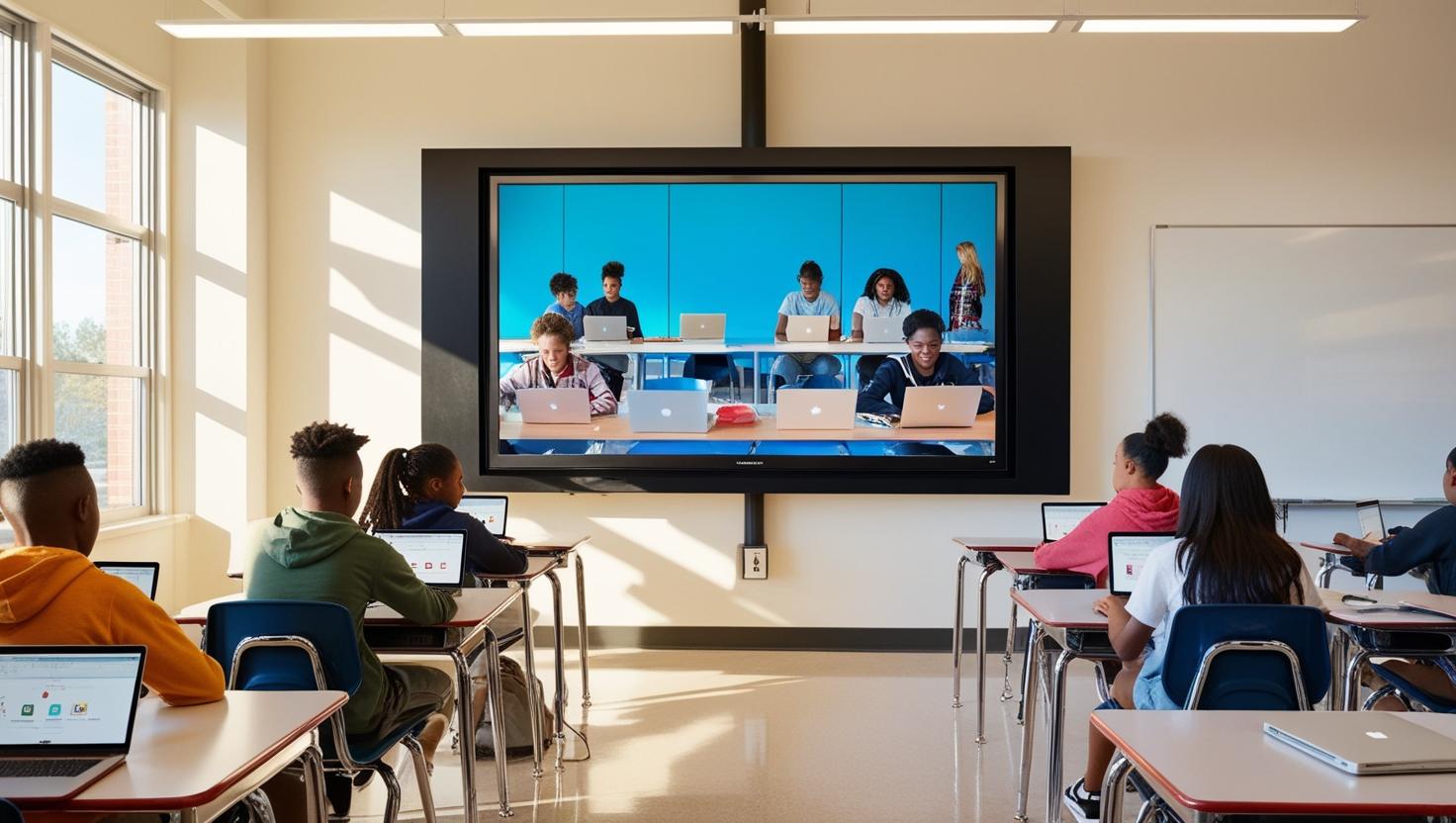
From PCs to Virtual Reality: A comprehensive exploration of modern classroom technology, focusing on Learning Management Systems and innovative digital tools that are transforming education. This guide examines how technology enhances learning experiences, featuring detailed insights into popular platforms and essential classroom tech tools.

I've wanted to write an article about technology and its uses in our classrooms forever.

  • We've come a long way since PCs and VisiCalc emerged in the 1980s.
  • Over the past 45 years, devices kept getting smaller, more powerful, and, best of all, so much easier to use.
  • That, coupled with the explosion of information online, means that any student, any classroom, can have the resources of a Library of Congress to the Nth degree at her fingertips.

Given the scope of this subject, I will divide it into two articles.

  • The first deals with technology in the classroom, what's used, how it's used, its pros and cons, and so forth.
  • The second will examine the future of educational technology, its sustainability, and its use in school offices.

Technology in the Classroom

There's no doubt that technology enhances learning experiences for students. Learning Management Systems (LMS) organize and deliver those improved experiences.

A Learning Management System is a software application or web-based technology used to plan, implement, and assess a specific learning process. Think of it as an electronic lesson plan book on steroids. Typically, an LMS provides an instructor with a way to create and deliver content, monitor student participation, and assess student performance.

This video explains Learning Management Systems.

Threaded discussions, video conferencing, and discussion forums are part of the interactive

. . .read more

Volunteering at Your Children's Private School

Updated
|
Volunteering at Your Children's Private School
This article emphasizes the importance of parental involvement in private schools, highlighting various ways parents can contribute to their child's educational experience. From joining the Parent-Teacher Association (PTA) to offering specialized skills, volunteering not only enhances the school community but also sets a positive example for children. The article explores opportunities such as classroom assistance, technology support, music and arts programs, alumni engagement, fundraising, and event coordination.

Private schools thrive on the active involvement of parents in various aspects of their children's educational experience.

  • These institutions greatly value the contributions of parents in creating a vibrant and supportive community.
  • Volunteering at your child's private school fosters a stronger connection with the institution.
  • It also sets an excellent example for your child.

As a parent who volunteered and supported my child's PTA, I'll share various ways you can get involved and make a meaningful impact on your children's educational journey.

Parent-Teacher Associations (PTA)

Most private schools have a Parent-Teacher Association (PTA) that plays a crucial role in building a strong school community.

  • Joining the PTA provides parents with opportunities to participate in school-wide initiatives, fundraisers, and events.
  • These organizations often serve as a bridge between parents, teachers, and school administrators.
  • A well-organized, well-run PTA can also become one of your school's most effective marketing tools.
  • Satisfied parents talk and spread the word about the school, which means so much to them.

This video explains why it is important to be involved in your school's parent-teacher organization.

Classroom Assistance

Offering to assist in your child's classroom is an excellent way to get directly involved in their education.

  • Teachers often appreciate having volunteers to help with various tasks, such as reading with students, organizing materials, or supervising field trips.
  • By doing so, you can gain insights into your child's daily school
. . .read more

Recent Articles

Should Your Child Stay at the Same Private School K–12?
Explore whether your child should attend the same private school from kindergarten through graduation, weighing academic continuity, friendships, changing needs, tuition costs, and opportunities at different educational stages.
When Your Child's Closest Friends Leave Private School
Learn how to support your child when close friends leave private school, manage loneliness, maintain friendships, encourage new connections, recognize emotional challenges, and decide when additional school support is needed.
When Your Child Doesn't Connect With Their Teacher
Discover when parents should intervene if their child struggles to connect with a private school teacher, including warning signs, communication strategies, classroom concerns, and practical steps toward improving relationships.

High School

ACADEMICS
A comprehensive look at high school academics. We cover grades, AP and IB courses, and the post graduate year. Learn the secrets of A+ students. Explore summer abroad programs, read interviews with experts and get valuable tips on excelling academically.
DISCIPLINE
A brief look into high school discipline policies. From codes of conduct to uniforms and dress code, we'll provide information on the latest practices in private schools.
OTHER ISSUES
From graduation gifts to preventing teen suicide, this section provides information on a variety of topics affecting high school students. Learn what to do when your child is expelled, you need financial aid or you’re looking for a teaching job. Get expert advice on protecting your teen from substance abuse, finding the right high school and handling personal technology on campus.