High School

Learn more about high school academics, discipline policies and other issues relevant to private schools. Here we cover dress codes, explain the difference between AP and IB courses and discuss teen suicide. You’ll also find information on study abroad programs, codes of conduct and the best graduation gifts.

View the most popular articles in High School:

Get Your Act Together!

Updated
|
Get Your Act Together!
We take a look at the other college admissions test and offer some resources for test preparation.

What is ACT?

The California Department of Education answers that question as follows:

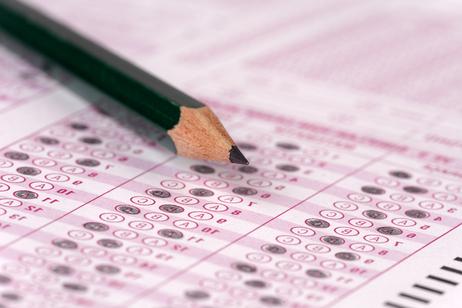
The ACT test is designed to assess a high school student's general educational development and ability to complete college-level work.

How do colleges use ACT?

Many colleges use the ACT results as one factor in the admissions process. ACT, a non-profit organization, has developed the test administered in locations around the world.

This video explains ACT.

What does the test cover?

From the ACT website:

"The ACT test covers four subject areas: English, mathematics, reading, and science. Each subject area test receives a score ranging from 1 to 36. The composite score is the average of all four subject area test scores. Many colleges and universities use ACT scores as one factor in making admissions decisions."

When can you take the test?

The ACT is administered here in the United States seven times a year. International testing takes place five times a year. Be sure to consult ACT's website to confirm upcoming test dates and register. Don't wait until the last minute to register.

How much does the test cost?

In 2021 ACT costs $85 for the test and the writing component. If you cannot afford the test, you can apply for a fee waiver.

What if I am homeschooled or require special accommodations?

Homeschooled students will have to complete and submit a form

. . .read more

Why Small Class Sizes Work

Updated
|
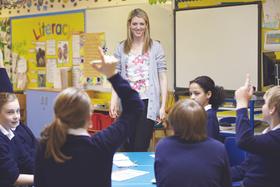
Why Small Class Sizes Work
You want your child to receive plenty of individual attention. That's one of the reasons most parents send their children to private school.

One of the primary reasons parents send their children to private school is for the individual attention students receive. Private schools can provide that sort of attention because their class sizes are small. Small class sizes work. Small class sizes are one of the main reasons you send your child to private school. With that in mind, let's look at why small class sizes are so important.

1. There's nowhere to hide in a small class.

Imagine your child in a large high school class of 30-35 students. She's not good at math. Most of the students in her class don't understand math and could care less about it. So your daughter hangs out in the back of the room, keeps quiet, and tries to pay attention. The distractions and cutting up around her mitigate against any meaningful learning. Consequently, your daughter falls further and further behind in math. Sadly, public school class sizes increase as school districts struggle with budget deficits. As a result, class sizes of 30-35 students are common.

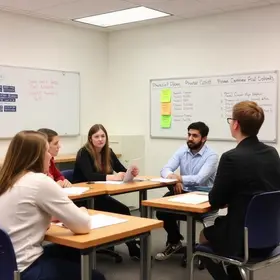
Contrast that learning environment with 12-14 students seated around a Harkness Table in a boarding school. A Harkness Table is an oval table. The teacher sits at the table with his students. This arrangement places students in a situation where they have no choice but to engage and interact with each other and with their teacher. A Harkness table creates a climate for learning.

This video discusses teaching in large versus small classes.

Implicit in the

. . .read more

How to Keep Teens Safe While Traveling Alone

Updated
|
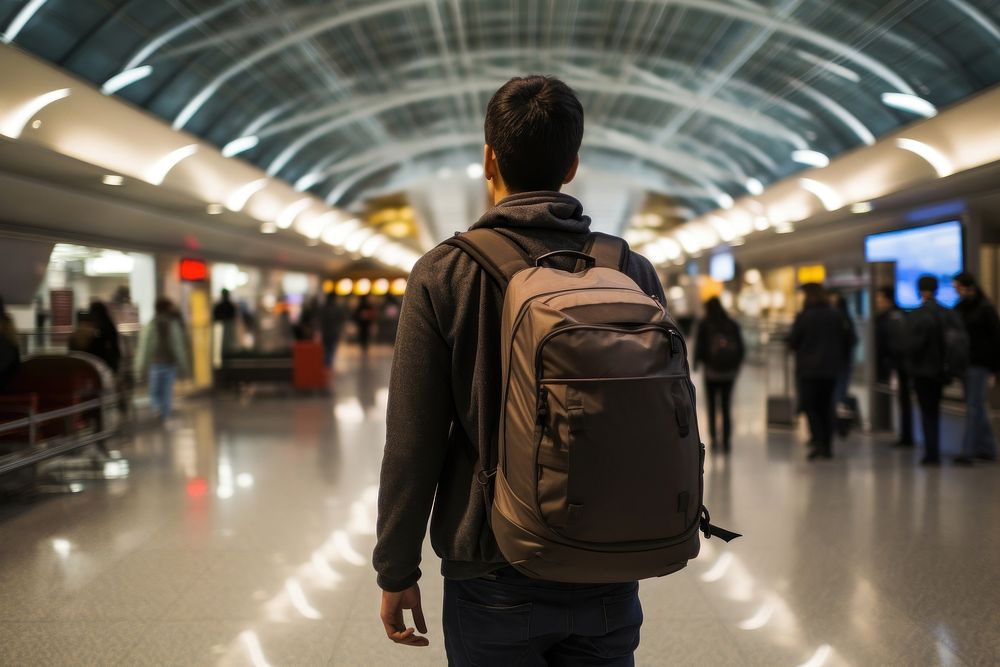
How to Keep Teens Safe While Traveling Alone
Most adults find traveling more complicated and challenging than it was pre-pandemic. We offer some suggestions for safe teen travel in these uncertain times.

Traveling in uncertain times is a challenge for most of us adults. So, imagine how many dangers, real and imagined, a young person will face when she travels alone.

Increased Anxiety

Teens may face heightened anxiety due to the uncertainty of travel conditions, such as changing health guidelines and travel restrictions.

Flight Cancellations and Disruptions

Flight cancellations and travel disruptions can be stressful for young travelers, requiring them to adapt quickly to new situations.

Be Streets Smart

Teens should be aware of their surroundings, avoid speaking to strangers, refrain from accepting items from unknown individuals, and maintain situational awareness to stay safe in unfamiliar places.

Technological and Digital Risks

With increased reliance on technology for travel, teens must also be aware of digital safety risks, such as online scams or data breaches, while traveling.

The young traveler

Whether you send your child off to visit her grandparents or send her back to school, you know she has to travel safely.

  • After all, you have experienced just about every situation and glitch you can imagine during your travels.
  • But remember that you were traveling as an adult.
  • You had the financial resources to book a hotel room the minute the airline canceled your flight, and your flight out was early the following morning.
  • You knew what to do to comply with TSA requirements as you made your way through airport security.

Most importantly, you were street-smart, aware of your surroundings, and ready with an

. . .read more

Contract Cheating

Updated
|
Contract Cheating
Contract cheating is more common than most of us realize. Finding somebody online to write essays or term papers is fairly easy to do. The way we parents counter immoral behavior like this is to discuss it frequently with our children.

The 2019 college admissions scandal proved that cheating is endemic throughout the secondary and tertiary levels of education. Cheating is not restricted to college admissions tests and applications. We find examples in the classroom, on term papers, projects, and more. I will omit a discussion of cheating in elementary school in this essay and cover it in another article.

In 2011, when I read about students paying another person to take their SATs, I was appalled. What were they thinking? And how did they pull it off? Looking back on my high school and university years, I realize now that it was tough to cheat in the 50s and 60s. That was because all of my examinations required us to write out our answers in pen. We didn't have multiple choice exams. No punch cards. I did occasionally hear of students who wrote out formulas on their palms or who looked over at a neighbor's answer book. But that was about it. Fast forward to the age of smartphones, and cheating has gone digital.

This video explains what contract cheating is and how it works.

Our role as parents

I will confess that I was, and, indeed, still am, a somewhat naive parent. I assume good things will happen. I also believe that my children will do the right thing. For the most part, and I can say this after long years of experience,

. . .read more

Corporal Punishment Still Exists

Updated
|
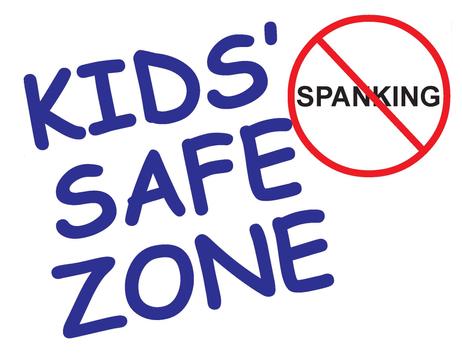
Corporal Punishment Still Exists
Did you think that corporal punishment in our schools was extinct? Sadly, it isn't. Here are some facts and some suggestions as to what you can do to help eliminate corporal punishment once and for all.

I have been writing about corporal punishment in K-12 schools since 1999. Frankly, I am appalled that corporal punishment is still permitted in some American schools in 2026.

In 2019, 19 states still permitted corporal punishment in their public schools. While policies continue to evolve and the number of incidents has declined, the United States still does not have a federal law prohibiting corporal punishment in public or private schools, much less in the home. State and local laws govern education in almost every respect. Local and state taxes fund public education. Therefore, it has been the local and state authorities that make the rules regarding how students are disciplined.

What Is Corporal Punishment?

The United Nations Children's Fund (UNICEF) defines corporal punishment as:

“Any punishment in which physical force is used and intended to cause some degree of pain or discomfort, however light. Most involve hitting ("smacking", "slapping", "spanking") children, with the hand or with an implement."

That definition remains one of the most widely accepted descriptions of corporal punishment used by child welfare and educational organizations around the world.

How Many Children Are Involved With Corporal Punishment?

In previous years, hundreds of thousands of children experienced corporal punishment in public schools.

The U.S. Department of Education continues to monitor discipline practices through its civil rights data collection programs. While the number of incidents has declined over the past decade, advocates argue that any continued use of physical punishment remains a concern.

Why
. . .read more

Recent Articles

Should Your Child Stay at the Same Private School K–12?
Explore whether your child should attend the same private school from kindergarten through graduation, weighing academic continuity, friendships, changing needs, tuition costs, and opportunities at different educational stages.
When Your Child's Closest Friends Leave Private School
Learn how to support your child when close friends leave private school, manage loneliness, maintain friendships, encourage new connections, recognize emotional challenges, and decide when additional school support is needed.
When Your Child Doesn't Connect With Their Teacher
Discover when parents should intervene if their child struggles to connect with a private school teacher, including warning signs, communication strategies, classroom concerns, and practical steps toward improving relationships.

High School

ACADEMICS
A comprehensive look at high school academics. We cover grades, AP and IB courses, and the post graduate year. Learn the secrets of A+ students. Explore summer abroad programs, read interviews with experts and get valuable tips on excelling academically.
DISCIPLINE
A brief look into high school discipline policies. From codes of conduct to uniforms and dress code, we'll provide information on the latest practices in private schools.
OTHER ISSUES
From graduation gifts to preventing teen suicide, this section provides information on a variety of topics affecting high school students. Learn what to do when your child is expelled, you need financial aid or you’re looking for a teaching job. Get expert advice on protecting your teen from substance abuse, finding the right high school and handling personal technology on campus.