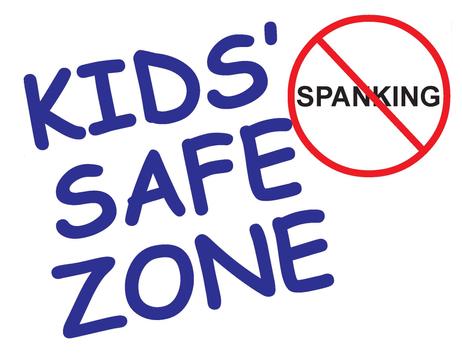
I have been writing about corporal punishment in K-12 schools since 1999. Frankly, I am appalled that corporal punishment is still permitted in some American schools in 2026.
In 2019, 19 states still permitted corporal punishment in their public schools. While policies continue to evolve and the number of incidents has declined, the United States still does not have a federal law prohibiting corporal punishment in public or private schools, much less in the home. State and local laws govern education in almost every respect. Local and state taxes fund public education. Therefore, it has been the local and state authorities that make the rules regarding how students are disciplined.
What Is Corporal Punishment?
The United Nations Children's Fund (UNICEF) defines corporal punishment as:
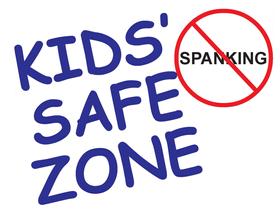
“Any punishment in which physical force is used and intended to cause some degree of pain or discomfort, however light. Most involve hitting ("smacking", "slapping", "spanking") children, with the hand or with an implement."
That definition remains one of the most widely accepted descriptions of corporal punishment used by child welfare and educational organizations around the world.
How Many Children Are Involved With Corporal Punishment?
In previous years, hundreds of thousands of children experienced corporal punishment in public schools.
The U.S. Department of Education continues to monitor discipline practices through its civil rights data collection programs. While the number of incidents has declined over the past decade, advocates argue that any continued use of physical punishment remains a concern.
Why Does Corporal Punishment Still Exist?
Why do some states still permit corporal punishment?
One explanation is that some administrators and teachers think it does some good. They base their decision to use corporal punishment not on evidence drawn from modern research but rather from their own opinions, experiences, and beliefs.
Corporal punishment exists mainly in southern states and a handful of others. It staggers the imagination of most people to even think that a nation that frequently champions human rights issues could permit such practices. But it does, and it has for years.
More than 65 countries have now prohibited corporal punishment in schools, and many have expanded protections for children in other settings as well.
The American Psychological Association has published research highlighting concerns about the potential long-term effects of physical punishment on children's development and well-being.
Children of Color Tend to Be Hit More
The Hechinger Report and other organizations continue to report data suggesting that boys of color and children with disabilities are disciplined physically at disproportionately higher rates than white students.
Various sources indicate that paddling in some southern schools is a legacy that has been handed from one generation of educators to another.
The number of paddling incidents appears to be declining for several reasons:
- Communities have become more proactive in their opposition to the practice
- A newer generation of educators generally avoids physical punishment
- Parents are more likely to challenge disciplinary practices through legal channels
- Schools increasingly use alternative disciplinary approaches
New approaches to discipline and a better understanding of the effects of corporal punishment are taking hold with small but positive results.
Parents evaluating school culture and disciplinary philosophies may find Private School Review's guide on Choosing the Right Private School Path useful when comparing educational environments.
The History of Corporal Punishment in Private Schools
While corporal punishment is legal in many private schools across the United States, it is rarely used in that setting nowadays.
Most independent schools have moved toward disciplinary approaches focused on accountability, restorative practices, counseling, and behavioral intervention rather than physical punishment.
Families researching school policies may also benefit from Private School Review's article on Private Schools: 10 Key Challenges for Families, which discusses several important factors parents should evaluate when selecting a school.
Does Corporal Punishment Do Any Good?
That's the rub.
While corporal punishment gets a child's attention, it is also true that a child who has experienced aggression against him may become aggressive toward others.
According to the National Association of Secondary School Principals, research indicates that corporal punishment may adversely affect a student's self-image and academic achievement. Additional studies have found correlations between corporal punishment and unintended negative consequences such as poor mental health outcomes, lower cognitive performance, lower academic achievement, and increased risk of physical abuse.
The practice of corporal punishment is also increasingly viewed as inconsistent with modern policies regarding child welfare, equity, and school safety.
Many educators now favor evidence-based approaches that focus on teaching appropriate behavior rather than imposing physical consequences.
Is There a Link Between Fundamental Religious Beliefs and Corporal Punishment?
Rita Swan writes in her analysis of religious attitudes toward corporal punishment that relatively few religious denominations actively support the practice.
She further notes that several studies have shown both the practice of and belief in corporal punishment to be higher among some fundamentalist Protestant groups than among other religious communities.
Researchers have documented how certain biblical passages have historically been cited as justification for physical punishment. At the same time, many religious leaders and faith-based schools have moved away from those interpretations and instead emphasize guidance, mentorship, and positive discipline.
It is also worth noting that Jesus does not mention anything about punishing children.
Families exploring schools with different missions and educational philosophies may find Private School Review's So Many Choices: 2025 Private School Guide useful when comparing options.
How Can We Abolish Corporal Punishment?
Humanism by Joe once observed:
"Our society no longer permits the beating of military personnel, apprentices, wives, and prisoners. Children should have the same protection."
The status quo will not change until you and I do something about it.
We must let our local school boards know that we do not approve of corporal punishment. If they refuse to ban it, then we need to elect school board members who will.
The same approach applies to state legislators. Ask them to change the law and prohibit corporal punishment in public and private schools. Moving up another level, advocates continue to call on Congress to consider stronger protections for children nationwide.
Parents who are evaluating schools and educational priorities may also find Private School Review's guide to 2025 Private School Costs in the U.S.: What Families Should Expect helpful when considering the broader factors that influence school choice.
Looking Ahead
The conversation surrounding corporal punishment has changed significantly since I first began writing about it in 1999. Research on child development, school climate, student well-being, and educational outcomes continues to shape how schools approach discipline.
While corporal punishment has become less common, the debate is far from over. Advocates continue to push for nationwide bans, while some communities maintain support for traditional disciplinary practices.
It is high time that the United States joined other nations in creating school environments that promote safety, respect, accountability, and positive student development without relying on physical punishment.