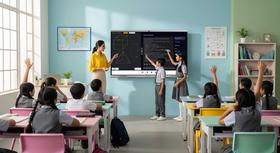

Visit the websites of several private schools, and you will quickly notice a recurring theme. Nearly every school describes its educational approach as "individualized," "personalized," or "student-centered." While these phrases sound appealing, they often reveal very little about what students actually experience in the classroom.
In reality, individualized education can look very different from one school to another. At one school, it may mean small classes and frequent teacher feedback. At another, it could involve flexible course selection, specialized learning support, or opportunities for independent research. The only way to understand what a school truly offers is to look beyond its marketing language.
By asking thoughtful questions, observing classrooms, and comparing schools using consistent criteria, families can make decisions based on substance rather than slogans.
What Does "Individualized" Really Mean?
Unlike terms such as accreditation or graduation requirements, "individualized learning" has no single definition. Schools are free to interpret the concept in ways that reflect their own educational philosophy.
Some schools individualize instruction by adapting lessons for different learning styles. Others focus on mentoring relationships, academic advising, or giving students greater flexibility in choosing advanced coursework and extracurricular opportunities.
When admissions staff describe their school as individualized, ask for specific examples rather than general statements. A strong school should be able to explain exactly how its approach benefits students daily.
Look Beyond Class Size
Small classes are often promoted as evidence of individualized education, but numbers alone do not guarantee personal attention.
Instead of focusing only on student-to-teacher ratios, ask how teachers monitor student progress throughout the year. Find out how they respond when students master material quickly or need additional support. Understanding how instruction changes to meet individual needs provides a much clearer picture than class size statistics alone.
Families comparing several schools may find it helpful to use the Checklist for Comparing Schools, which provides a structured framework for evaluating important factors across multiple campuses.
Observe Classrooms Whenever Possible
A school tour offers valuable information, but observing classrooms in session provides a much better understanding of the learning environment.
Notice whether students actively participate in discussions, whether teachers encourage curiosity, and how faculty respond when students ask questions. Pay attention to classroom energy rather than simply looking at facilities or technology.
If you have already attended an open house, consider scheduling a follow-up visit. As explained in The Second Visit Strategy: What to Look for After the Open House, seeing the school on a typical day often reveals details that are impossible to observe during a formal admissions event.
According to the National Association of Independent Schools, meaningful student engagement is reflected in classroom interactions, strong teacher relationships, and opportunities for active learning.
Evaluate Academic Flexibility
An individualized education should allow students to grow according to their own abilities and interests.
Ask admissions representatives how students are challenged academically. Can students move into advanced classes if they excel? What happens when a student struggles with a particular subject? Are independent study opportunities available?
Schools with well-developed academic support systems can usually describe these processes clearly rather than relying on general assurances.
Understand Student Support Services
Individualized education extends beyond classroom instruction. Students may benefit from academic tutoring, executive functioning support, counseling services, or enrichment opportunities depending on their needs.
Ask how students access these services and whether support is proactive or only provided after difficulties arise. Schools that genuinely prioritize individualized learning should have established systems for helping a wide range of learners succeed.
Families whose children have unique learning needs may also benefit from reading How Private Schools Support Students with Learning Differences.
Consider How Teachers Communicate With Families
Strong communication is one of the clearest indicators of a school's commitment to individualized education.
Ask how often teachers provide academic updates, how parents are informed about concerns, and whether communication extends beyond report cards and scheduled conferences. Schools that know their students well typically maintain consistent communication with families throughout the year.
The Enrollment Management Association recommends that families evaluate communication practices as part of the overall admissions process because strong partnerships between schools and parents contribute to student success.
Look Beyond Academics
A truly individualized school helps students grow in many areas of life, not just academics.
During your visit, ask about leadership opportunities, arts programs, athletics, clubs, service learning, internships, and independent projects. These experiences often reveal how well a school encourages students to explore their interests and develop new skills.
Rather than counting the number of extracurricular activities, ask how students are encouraged to participate and whether faculty actively mentor them outside the classroom.
Ask How Success Is Measured
Schools often emphasize college acceptance rates, standardized test scores, and academic awards. While these metrics are valuable, they represent only part of the educational experience.
Ask how teachers monitor individual student growth throughout the year. Do they set personal learning goals? How is progress communicated? What measures of success extend beyond grades?
The National Center for Education Statistics provides education data that can help families better understand school performance and broader educational trends.
Speak With Current Families
Admissions presentations naturally showcase a school's strengths, but conversations with current parents often provide a more balanced perspective.
Ask families whether teachers truly know their children, how accessible administrators are, and whether individualized support continues beyond the admissions process. Hearing about day-to-day experiences can help confirm whether the school's educational philosophy matches reality.
Another useful resource is Checklist for Comparing Schools: Curriculum and Instruction, which focuses specifically on evaluating what is taught and how instruction is delivered.
Compare Every School Using the Same Criteria
After visiting several schools, it becomes surprisingly easy to confuse details or rely on general impressions. Create a comparison sheet that includes academics, classroom culture, communication, student support, extracurricular opportunities, and overall fit. Recording your observations immediately after each visit makes meaningful comparisons much easier later.
Using consistent questions for every admissions interview also helps distinguish genuine differences between schools that use very similar marketing language.
Focus on Evidence, Not Advertising
Words such as "individualized," "personalized," and "student-centered" appear on countless private school websites because they appeal to families. However, the schools that truly deliver individualized education can explain exactly how they support students, demonstrate that approach during campus visits, and provide clear examples of their educational philosophy in action.
Rather than choosing the school with the strongest marketing message, choose the one that provides the strongest evidence. By asking thoughtful questions, observing everyday interactions, and comparing schools using objective criteria, families can move beyond promotional language and select a private school where their child will be challenged, supported, and encouraged to thrive.