For decades, families exploring private education generally compared independent schools, faith-based schools, and boarding schools. Today, another option is becoming increasingly visible: the microschool.
Microschools have grown rapidly since the pandemic, offering highly personalized learning environments with very small enrollments and flexible instructional models. At the same time, traditional private schools continue to attract families seeking established academic programs, extensive extracurricular opportunities, and proven college preparation.
Neither model is inherently better. The right choice depends on your child's learning style, personality, academic needs, and your family's expectations. Understanding how these two approaches differ can help you make a more informed decision.
What Is a Microschool?
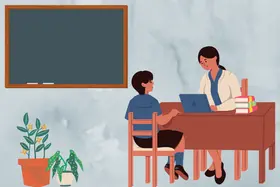
A microschool is typically a small learning community serving anywhere from a handful of students to several dozen. Many combine elements of private schooling, homeschooling, project-based learning, and individualized instruction. Some operate as fully accredited private schools, while others function under different state educational regulations.
Because microschools vary significantly, families should carefully investigate curriculum, accreditation, staffing, and long-term academic planning before enrolling.
The rapid growth of microschools has been fueled by increased interest in school choice and flexible educational models.
What Traditional Private Schools Offer
Traditional private schools generally enroll larger student populations and follow well-established academic calendars and grade-level structures. Most offer comprehensive curricula, organized athletics, performing arts, clubs, advanced coursework, and college counseling.
These schools have often spent decades building their educational programs and developing relationships with colleges and universities. Families who value consistency, broad extracurricular offerings, and established school traditions frequently find this model appealing.
Private School Review's guide to How to Choose a Private School: 2026 Parent Guide outlines the key factors families should evaluate before selecting any private school.
Class Size and Individual Attention
One of the biggest differences between the two models is scale.
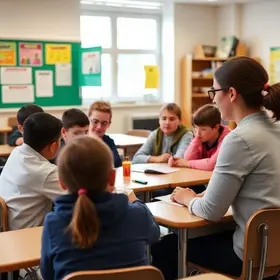
Traditional private schools are already known for maintaining smaller classes than many public schools. Microschools often take this even further, sometimes serving fewer than 20 students across multiple grade levels.
For students who benefit from individualized instruction, frequent teacher interaction, and flexible pacing, this environment can be especially attractive.
However, extremely small enrollments also mean fewer classmates and, in some cases, fewer opportunities for collaborative projects or diverse classroom discussions.
Academic Structure
Traditional private schools generally follow a structured curriculum with clearly defined grade-level expectations, assessment schedules, and graduation requirements.
Microschools tend to be more flexible. Some emphasize mastery-based learning, interdisciplinary projects, or student-directed instruction rather than traditional classroom schedules.
Neither approach guarantees stronger academic outcomes. The important question is whether the instructional model aligns with your child's preferred way of learning.
The National Association of Independent Schools encourages families to evaluate how well a school's educational philosophy matches their child's individual needs.
Extracurricular Opportunities
Traditional private schools often provide a wide range of extracurricular activities that extend well beyond the classroom. Students may participate in competitive athletics, music ensembles, theater productions, debate teams, robotics clubs, student government, and community service organizations.
Microschools usually offer fewer organized activities because of their smaller enrollment. Many instead encourage students to participate in community organizations, local sports leagues, arts programs, or partnerships with outside educational providers.
Families should consider whether their child prefers numerous on-campus opportunities or enjoys pursuing activities independently within the community.
Social Development
Parents often ask whether students in microschools have enough opportunities for social interaction.
The answer depends largely on the individual school. Some microschools intentionally group students of different ages, creating mentorship opportunities and collaborative learning experiences. Others organize field trips, service projects, and shared activities with neighboring schools.
Traditional private schools typically provide larger peer groups, making it easier for students to find classmates with similar interests while participating in a wider variety of clubs and organizations.
Private School Review's article, Why Private School? Key Considerations for Families in 2025, discusses how school culture and community contribute to a student's overall educational experience.
Flexibility Versus Structure
One of the greatest strengths of microschools is flexibility.
Teachers may adjust lessons based on student interests, allow learners to progress at different speeds, or integrate real-world projects into everyday instruction. This adaptability can benefit students who feel constrained in more traditional classrooms.
Conversely, many children thrive with predictable routines, scheduled coursework, and clearly defined academic expectations. Traditional private schools often provide this consistency while maintaining rigorous academic standards and established accountability measures.
The Enrollment Management Association recommends that families evaluate whether a school's educational philosophy aligns with both the student's learning style and long-term educational goals.
College Preparation
Families with college-bound students should ask detailed questions regardless of which model they choose.
Traditional private schools usually have experienced college counseling offices, Advanced Placement or International Baccalaureate offerings, standardized testing support, and established relationships with admissions offices.
Microschools vary considerably. Some offer exceptional individualized college advising, while others partner with dual-enrollment programs, online coursework, or outside counselors.
Parents should understand exactly how transcripts are prepared, how credits are awarded, and how graduates have performed in college admissions.
Accreditation Matters
Not every microschool operates under the same accreditation standards.
Before enrolling, ask whether the school is accredited by a recognized regional or state accrediting organization and whether credits will transfer if your child later changes schools.
Traditional private schools are generally more likely to have long-established accreditation and clearly documented academic policies, although families should verify accreditation regardless of school type.
Cost Considerations
Tuition varies widely for both educational models.
Some microschools cost significantly less than traditional private schools because they operate with smaller facilities and leaner administrative structures. Others charge premium tuition because of their exceptionally low student-to-teacher ratios and highly customized instruction.
Traditional private schools may have higher tuition, but they often include extensive extracurricular programming, athletics, counseling services, libraries, and specialized academic resources.
Rather than comparing tuition alone, families should evaluate the overall value of what each school provides.
Private School Review's article, Choosing the Right Private School Path: Cost, Readiness, and Fit, explains why educational value extends well beyond the published tuition price.
Questions to Ask During Your Visit
Whether you visit a traditional private school or a microschool, focus on understanding how the school serves students every day.
- Ask about academic expectations, teacher qualifications, assessment methods, communication with parents, student support services, and opportunities for social development.
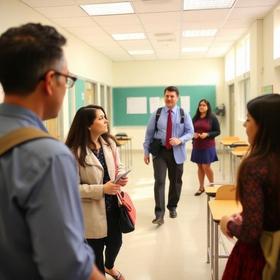
- Observe classrooms whenever possible and pay close attention to student engagement rather than facilities alone.
These conversations often reveal far more than promotional materials or websites.
Making the Right Choice
Traditional private schools and microschools each offer meaningful advantages. A traditional private school may provide greater academic breadth, extracurricular opportunities, and long-established institutional experience. A microschool may offer exceptional personalization, flexibility, and innovative teaching methods that better match certain students.
The best educational environment is the one where your child feels challenged, supported, and excited to learn. By carefully evaluating each school's philosophy, curriculum, culture, and long-term goals, families can choose the setting that offers the strongest foundation for future success.