Other Issues

From graduation gifts to preventing teen suicide, this section provides information on a variety of topics affecting high school students. Learn what to do when your child is expelled, you need financial aid or you’re looking for a teaching job. Get expert advice on protecting your teen from substance abuse, finding the right high school and handling personal technology on campus.

View the most popular articles in Other Issues:

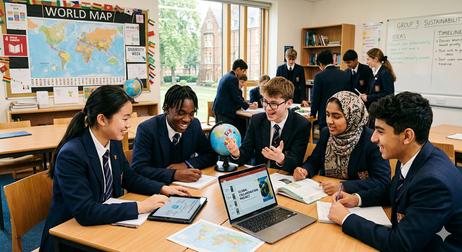
Private School Gap Years Before High School: Is It Worth It?

Updated
|
Private School Gap Years Before High School: Is It Worth It?
Learn how private school gap years before high school work, who benefits most, and whether delaying ninth grade is worth the investment.

Gap years are usually associated with students taking time off before college. Increasingly, however, some families are considering a different kind of pause: a private school gap year before high school.

This option typically involves delaying ninth grade by one year so a student can build academic confidence, emotional maturity, executive functioning skills, athletic readiness, or independence before beginning high school. In some cases, the student repeats eighth grade in a new private school setting. In others, the year may involve a structured transitional program, tutoring, enrichment, travel, outdoor education, or a junior boarding school experience.

For the right student, the extra year can be valuable. For others, it may be expensive, socially complicated, or unnecessary. The key question is not simply whether a gap year before high school sounds appealing. The real question is whether the student has a clear need, a structured plan, and a supportive environment that makes the year meaningful.

Families comparing options should also review How to Choose the Right Private School in 2026, which offers a broader framework for evaluating academics, culture, cost, and fit.

What Is a Private School Gap Year Before High School?

A private school gap year before high school is usually an intentional extra year between middle school and ninth grade. It is not simply a year off from learning. In strong programs, the year is planned around specific goals.

A student might use the year to:

  • Strengthen writing, reading, or math skills
  • Improve organization and study habits
  • Build
. . .read more

Cultural Adjustment Tips for International Students

Updated
|
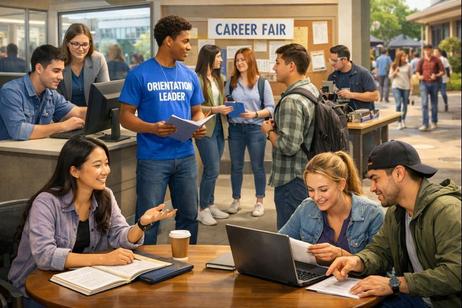
Cultural Adjustment Tips for International Students
Practical cultural adjustment tips for international students in private schools, with 2026 insights on academics, social life, and well-being.

For international students enrolling in U.S. private schools, academic readiness is only one part of the transition. Cultural adjustment often plays an equally important role in determining long-term success and well-being. Families researching private school options increasingly prioritize support systems that help students adapt socially, emotionally, and culturally.

This guide offers practical, experience-based cultural adjustment tips for international students, with a focus on private school environments. It also reflects current 2026 trends, including increased global mobility, expanded student support services, and the growing importance of cultural competence in education.

Understanding Cultural Adjustment in 2026

Cultural adjustment is not a one-time event; it is an ongoing process. Students typically move through several phases, including initial excitement, culture shock, gradual adaptation, and eventual integration.

Private schools have expanded their support in recent years, recognizing that international students contribute significantly to campus diversity. According to data from the Institute of International Education, international enrollment in U.S. schools has rebounded strongly post-pandemic, with institutions investing more in orientation programs and cultural mentoring.

Still, even in well-supported environments, students may face challenges such as:

  • Language barriers in academic discussions
  • Different classroom expectations
  • Social integration difficulties
  • Homesickness and identity adjustment

Understanding these challenges early allows families and students to prepare effectively.

Academic Culture: What to Expect

One of the most significant adjustments for international students is adapting to a new academic culture.

Key Differences in U.S. Private Schools

Aspect Common Adjustment
Classroom Participation Emphasis on discussion and active engagement
Teacher Interaction Informal, approachable relationships
Assignments Frequent essays, projects, and presentations
Critical Thinking Strong focus
. . .read more

First Semester Community College Survival Tips 2026

Updated
|
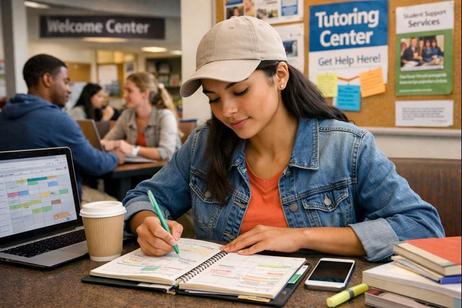
First Semester Community College Survival Tips 2026
Essential 2026-updated expert tips to thrive in your first community college semester, from scheduling to finances and support resources.

4 Indispensable Tips for Surviving Your 1st Semester of Community College (2026 Update)

Starting community college is a milestone filled with promise and pressure. As we navigate the evolving landscape of higher education in 2026, today’s students face both familiar challenges and new realities — from shifting financial aid practices to expanded digital learning environments. This updated guide offers practical, research-backed strategies to help students, parents, and educators succeed in that critical first semester.

1. Master Time, Balance, and Academic Rigor

Community college coursework demands intentional time management. Unlike many high school schedules, college pacing requires students to take ownership of their study habits and outside-class responsibilities.

Set a realistic schedule:
Experts recommend students plan far beyond class times. For example, Dr. Robert R. Neuman, PhD, author and higher education specialist, suggests students budget 4 to 6 hours of study per week for each three-credit course. This means a typical 12-credit semester could require 16–24 hours of study time weekly — on top of classes and personal responsibilities.

Balance work, school, and life:
Many community college students juggle employment, family obligations, and commuting. According to national trends, the average community college student is 27 years old and often attends part-time due to work or family commitments. Hidden costs such as transportation, child care, or housing can stretch students thin physically and financially.

Weekly planning tools:
Use a digital calendar or planner that consolidates class schedules, assignments, work shifts, and personal time. This increases visibility into your commitments and prevents burnout.

2.
. . .read more

What to Expect Your First Semester of Community College (2026 Guide)

Updated
|
What to Expect Your First Semester of Community College (2026 Guide)
A 2026 parent and student guide to your first semester at community college—tuition, support services, academics, social life, and success strategies.

What to Expect Your First Semester of Community College (2026 Update)

Starting community college is an exciting transition for many students and families. Whether your goal is to earn a degree, gain valuable career skills, or prepare for transfer to a four-year university, understanding what to expect can make your first semester more successful and less stressful. This updated 2026 guide offers evidence-based insights, practical tips, and expert orientation advice for parents, students, and educators navigating the modern two-year college experience.

The Evolving Landscape of Community College in 2026

Community colleges continue to be engines of opportunity and affordability in U.S. higher education. After years of enrollment fluctuation, the sector has seen renewed participation. Recent data indicate overall community college enrollment grew by roughly 3.9 percent from fall 2023 to fall 2024, with approximately 10.5 million students enrolled in credit and non-credit programs combined. Many of these students are younger (average age now around 19–20), including a growing number of high school dual-enrollees.

At the same time, short-term credentials and career-focused programs are gaining traction as students seek faster pathways to employment, while traditional transfer pathways remain vital for many who plan to complete a bachelor’s degree.

Understanding Your Costs: Beyond Tuition

One of community college’s biggest advantages is affordability, but costs extend beyond sticker tuition.

Tuition and Fees

In 2025, the average annual tuition and fees for public community colleges nationwide were about $5,159 for in-state residents and $8,767 for out-of-state students.

However, these figures only tell

. . .read more

Career Pathways and Workforce Readiness for Private School Graduates

Updated
|
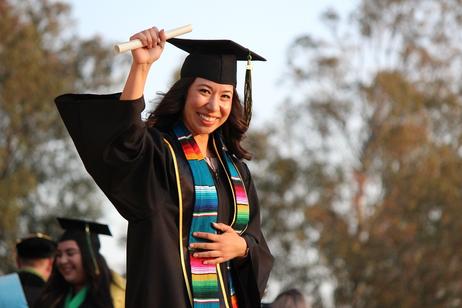
Career Pathways and Workforce Readiness for Private School Graduates
Explore top career pathways with community college for private school graduates, including high-demand jobs, transfer options, and 2025 workforce trends.

Private schools place strong emphasis on academic preparation, character development, and long-term success. As families explore K–12 private school options, many want to understand how these schools help students build the skills, habits, and experiences that support a wide range of future career pathways. While Private School Review does not rank schools or promote specific postsecondary tracks, it does provide families with a clear view of how private schools prepare students for college and career readiness.

This article outlines the key ways private schools equip students for emerging workforce opportunities, the types of programs families may encounter during the K–12 years, and how students can build a strong foundation for future study in fields experiencing rapid growth.

How Private Schools Support Future Career Pathways

Private schools offer structured academic environments along with access to enrichment programs that help students develop interests early. These experiences support informed decision making when students begin evaluating postsecondary plans.

Rigorous Academics That Build Foundational Skills

Private schools often provide challenging coursework, small classes, and teacher mentorship. These elements help students develop competencies that are central to long-term career success including analytical thinking, communication, collaboration, and adaptability.

Many schools offer:

  • Advanced math and science sequences
  • Robust humanities and writing programs
  • World languages supported by cultural immersion
  • Project-based learning that mirrors real-world problem solving

These skills give students a strong platform for exploring a variety of fields later on, including STEM, healthcare, business, and creative industries.

Exposure to High-Demand Fields Through Electives and Co-Curricular Programs

Although private K–12

. . .read more

Recent Articles

Should Your Child Stay at the Same Private School K–12?
Explore whether your child should attend the same private school from kindergarten through graduation, weighing academic continuity, friendships, changing needs, tuition costs, and opportunities at different educational stages.
When Your Child's Closest Friends Leave Private School
Learn how to support your child when close friends leave private school, manage loneliness, maintain friendships, encourage new connections, recognize emotional challenges, and decide when additional school support is needed.
When Your Child Doesn't Connect With Their Teacher
Discover when parents should intervene if their child struggles to connect with a private school teacher, including warning signs, communication strategies, classroom concerns, and practical steps toward improving relationships.

High School