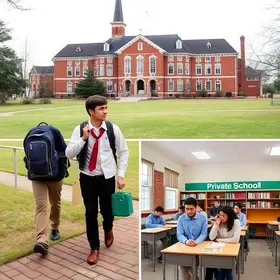

Private schools place strong emphasis on academic preparation, character development, and long-term success. As families explore K–12 private school options, many want to understand how these schools help students build the skills, habits, and experiences that support a wide range of future career pathways. While Private School Review does not rank schools or promote specific postsecondary tracks, it does provide families with a clear view of how private schools prepare students for college and career readiness.
This article outlines the key ways private schools equip students for emerging workforce opportunities, the types of programs families may encounter during the K–12 years, and how students can build a strong foundation for future study in fields experiencing rapid growth.
How Private Schools Support Future Career Pathways
Private schools offer structured academic environments along with access to enrichment programs that help students develop interests early. These experiences support informed decision making when students begin evaluating postsecondary plans.
Rigorous Academics That Build Foundational Skills
Private schools often provide challenging coursework, small classes, and teacher mentorship. These elements help students develop competencies that are central to long-term career success including analytical thinking, communication, collaboration, and adaptability.
Many schools offer:
- Advanced math and science sequences
- Robust humanities and writing programs
- World languages supported by cultural immersion
- Project-based learning that mirrors real-world problem solving
These skills give students a strong platform for exploring a variety of fields later on, including STEM, healthcare, business, and creative industries.
Exposure to High-Demand Fields Through Electives and Co-Curricular Programs
Although private K–12 schools do not function as workforce training institutions, many introduce students to high-growth fields through electives, clubs, and partnerships. Examples include:
- Robotics, engineering, and computer science clubs
- Health sciences or pre-medical interest groups
- Entrepreneurship and business competitions
- Environmental sustainability programs
- Media production, graphic design, and digital arts
Early exposure helps students identify long-term interests while gaining confidence in emerging disciplines.
College Counseling That Incorporates Evolving Workforce Trends
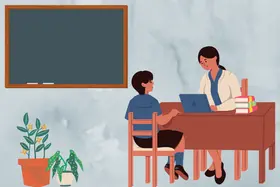
Private schools typically offer individualized college counseling. Counselors help students understand how academic interests translate into potential career fields, discuss prerequisites for college majors, and introduce families to research tools for exploring job market trends.
This individualized guidance supports informed decisions without steering students toward a single pathway. It aligns with Private School Review’s emphasis on providing impartial information.
Examples of High-Growth Fields Students Often Explore During or After Private School
While career preparation ultimately occurs after high school, private schools help students determine whether they might later pursue study in areas that continue to expand nationally. Many of these fields value strong academic foundations developed in K–12 private education.
Healthcare and Life Sciences
Students interested in health fields often begin cultivating strengths in biology, chemistry, mathematics, and service learning. These subjects prepare them for future study in nursing, public health, biomedical research, or allied health fields.
Private schools frequently encourage:
- Laboratory-based science courses
- Partnerships with local hospitals or service organizations
- Student-led health and wellness initiatives
Information Technology and Computer Science
Growing demand for technology talent means many students choose early coursework in computer science. Private schools may offer:
- Programming and coding classes
- AP Computer Science
- Robotics teams or STEM labs
- Cybersecurity or digital literacy electives
These experiences give students useful exposure to concepts that support future study in software development, data science, artificial intelligence, and cybersecurity.
Engineering and Applied Technologies
Students with strong math and analytical skills often explore project-based engineering programs. Schools may integrate:
- Makerspaces and fabrication labs
- Engineering electives
- Math competitions or design challenges
These help students develop spatial reasoning, quantitative analysis, and design thinking.
Business, Marketing, and Entrepreneurship
Many private schools cultivate leadership and communication skills that translate naturally into future business pathways. Opportunities may include:
- DECA or entrepreneurship clubs
- Debate, public speaking, or model government
- Personal finance or introductory economics electives
Students learn to think strategically, communicate effectively, and work collaboratively, abilities essential across business fields.
How Families Can Support Career Exploration During the K–12 Years
Private School Review encourages families to gather comprehensive information when evaluating schools, including how each school supports student discovery and long-term planning.
Ask About Academic and Co-Curricular Offerings
Families should review:
- Upper school course catalogs
- STEM and arts pathways
- Leadership and service opportunities
- Research projects or capstone options
These insights reveal how a school supports intellectual curiosity.
Review College Counseling Philosophy
Strong counseling programs help students reflect on strengths and interests early, which is essential for making informed choices later. Families may explore how counselors:
- Meet individually with students
- Introduce research tools for exploring potential career fields
- Support course selection aligned with student interests
Encourage Students to Build a Portfolio of Experiences
During the K–12 years, students can develop a rich record of engagement by documenting:
- Projects or independent research
- Leadership roles
- Community service
- Extracurricular achievements
- Summer learning programs
This portfolio becomes a valuable resource when students begin planning for college.
Using Private School Review to Evaluate Options
PrivateSchoolReview.com helps families compare private schools across the United States through data, profiles, and authoritative articles. Parents can explore school offerings, view academic and extracurricular programs, and learn more about each institution’s mission and philosophy.