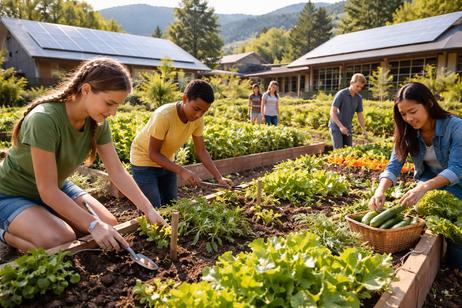
Private Schools & Sustainability: Green Campuses, Eco-Curriculum & What to Expect in 2026
Sustainability is no longer a peripheral initiative at independent schools. In 2026, environmental responsibility is shaping campus design, curriculum planning, student leadership programs, and long-term strategic goals. For families evaluating private education options, understanding how schools approach environmental stewardship is increasingly important.
This article explores Private Schools & Sustainability: Green Campuses, Eco-Curriculum & What to Expect in 2026, highlighting the trends, standards, and expectations shaping the independent school landscape.
Why Sustainability Is a Defining Priority in 2026
Parents and students are placing greater emphasis on climate literacy and environmental responsibility. According to the United Nations Sustainable Development Goals, climate action and responsible consumption remain global priorities, influencing educational frameworks worldwide.
Independent schools, with their flexibility and mission-driven governance models, are often able to implement sustainability initiatives more rapidly than large public systems. In 2026, sustainability is not only about recycling programs or Earth Day events. It encompasses infrastructure investment, interdisciplinary coursework, and institutional accountability.
Forward-thinking private schools now integrate sustainability into:
- Strategic planning documents
- Campus master plans
- Capital campaigns
- Community partnerships
- Student leadership initiatives
The result is a holistic approach that touches nearly every aspect of school life.
Green Campuses: What Sustainable Infrastructure Looks Like
One of the most visible elements of Private Schools & Sustainability: Green Campuses, Eco-Curriculum & What to Expect in 2026 is the physical campus itself.
Energy-Efficient Buildings
Many private schools pursuing renovation or new construction are seeking LEED certification through the U.S. Green Building Council. LEED standards focus on energy efficiency, water conservation, indoor air quality, and responsible material use.
In practical terms, this may include:
- Solar panel arrays installed on rooftops or athletic field structures
- Geothermal heating and cooling systems
- Smart lighting with motion sensors
- High-performance insulation and window systems
- Energy dashboards displayed in student commons areas
These features not only reduce operating costs over time but also serve as living laboratories for students studying environmental science.
Outdoor Classrooms and Biodiversity Initiatives
Sustainable campuses in 2026 increasingly incorporate:
- Pollinator gardens
- Native plant restoration projects
- On-site composting systems
- School gardens supplying campus dining halls
- Rainwater harvesting systems
Some schools pursue wildlife habitat certifications or partner with conservation groups to create outdoor education spaces. These environments encourage experiential learning and reinforce the connection between theory and practice.
Sustainable Dining and Waste Reduction
Dining programs are evolving rapidly. Schools are:
- Sourcing food locally when possible
- Reducing single-use plastics
- Tracking food waste and implementing composting systems
- Introducing plant-forward menu options
These initiatives align with broader research on sustainable food systems published by organizations such as the World Resources Institute, reinforcing the importance of dietary shifts in climate mitigation strategies.
For parents touring campuses, asking about food sourcing, waste management, and dining hall sustainability can reveal how deeply environmental values are embedded in daily operations.
Eco-Curriculum: Sustainability in the Classroom
Infrastructure alone does not define meaningful progress. In 2026, the most compelling examples of Private Schools & Sustainability: Green Campuses, Eco-Curriculum & What to Expect in 2026 involve academic integration.
Climate Literacy Across Disciplines
Environmental studies programs are expanding beyond traditional science departments. Private schools increasingly incorporate sustainability into:
- Economics classes examining carbon pricing
- Literature courses exploring environmental narratives
- History units on industrialization and ecological impact
- Mathematics lessons analyzing climate data sets
- Art programs using recycled materials
The North American Association for Environmental Education emphasizes interdisciplinary environmental literacy as a core component of effective sustainability education. Independent schools often adapt these frameworks to align with their mission statements and college preparatory goals.
Project-Based and Experiential Learning
Hands-on learning is a hallmark of private education, and sustainability initiatives provide rich opportunities for project-based experiences.
Examples include:
- Student-led energy audits
- Community recycling drives
- Partnerships with local conservation organizations
- Senior capstone projects focused on climate solutions
- Robotics teams designing renewable energy prototypes
In 2026, colleges increasingly recognize environmental leadership as a meaningful extracurricular distinction. Students who can demonstrate sustained commitment to sustainability often present compelling applications.
Governance, Accountability, and Reporting
Sustainability has moved from student clubs to boardroom conversations.
Strategic Planning and ESG Frameworks
Many independent schools now incorporate Environmental, Social, and Governance principles into their strategic planning processes. While ESG reporting is more common in the corporate sector, schools are adopting similar transparency measures to communicate progress.
Key developments in 2026 include:
- Public sustainability dashboards
- Carbon footprint assessments
- Annual environmental impact reports
- Dedicated sustainability directors or coordinators
Some schools align their reporting with frameworks from the Global Reporting Initiative, although reporting remains voluntary.
For families, this transparency signals institutional commitment rather than short-term marketing.
How Boarding Schools Are Leading the Way
Boarding schools, in particular, have emerged as leaders in sustainability because they manage full residential ecosystems.
Residential campuses can control:
- Energy systems
- Dining operations
- Transportation policies
- Waste management
- Campus-wide conservation initiatives
Because students live on campus, sustainability becomes part of daily life, not just a classroom topic.
Families exploring boarding options may find additional insights in related articles at BoardingSchoolReview.com, particularly those covering campus life and environmental leadership programs.
What to Expect from Private Schools in 2026
The evolution of Private Schools & Sustainability: Green Campuses, Eco-Curriculum & What to Expect in 2026 suggests several clear expectations for families evaluating schools.
- Visible Infrastructure Investments
By 2026, sustainability initiatives are increasingly tangible. Expect to see:
- Renewable energy installations
- Water conservation systems
- Electric vehicle charging stations
- Green building certifications
If a school claims environmental leadership, families should be able to observe concrete evidence on campus.
- Integrated Curriculum, Not Isolated Electives
Standalone environmental science electives are valuable, but leading schools weave sustainability throughout the academic experience.
Parents may ask:
- Is climate literacy embedded across grade levels?
- Are there opportunities for real-world research?
Do students engage with local environmental challenges?
Student Leadership and Agency
Top schools empower students to:
- Lead sustainability committees
- Present proposals to administration
- Organize climate awareness events
- Track campus energy metrics
These opportunities foster critical thinking, collaboration, and civic engagement.
- Measurable Goals
In 2026, schools are increasingly setting measurable targets such as:
- Carbon neutrality timelines
- Waste diversion percentages
- Renewable energy benchmarks
- Water use reduction goals
Clear benchmarks differentiate authentic commitment from marketing language.
Comparing Sustainability Features: What Families Should Look For
Below is a simplified comparison to guide school tours and interviews:
| Category | Emerging Programs | Leading Programs in 2026 |
|---|---|---|
| Campus Energy | Basic recycling, limited upgrades | Solar arrays, geothermal systems, real-time energy monitoring |
| Curriculum | Single environmental elective | Interdisciplinary climate literacy across departments |
| Student Involvement | Environmental club | Student governance input, sustainability internships |
| Reporting | Informal updates | Public dashboards and annual sustainability reports |
| Dining | Recycling bins | Composting, local sourcing, waste tracking metrics |
This framework can help parents move beyond surface-level claims and evaluate substantive commitment.
Challenges and Realities
Despite progress, sustainability implementation presents challenges.
- Upfront capital costs for renewable energy systems
- Balancing historic campus preservation with modernization
- Ensuring equity in sustainability initiatives
- Avoiding “greenwashing” marketing
Independent schools vary widely in resources and geographic contexts. A rural campus may have more land for outdoor education, while urban schools may focus on energy efficiency and community partnerships.
Families should look for evidence of thoughtful planning rather than perfection.
The Long-Term Impact on Students
Ultimately, the value of Private Schools & Sustainability: Green Campuses, Eco-Curriculum & What to Expect in 2026 lies in student development.
Graduates from sustainability-focused schools often demonstrate:
- Systems thinking
- Data literacy
- Ethical reasoning
- Global awareness
- Community leadership
As climate policy, renewable energy industries, and environmental innovation expand, students educated in sustainability-rich environments may enter college and careers with a competitive advantage.