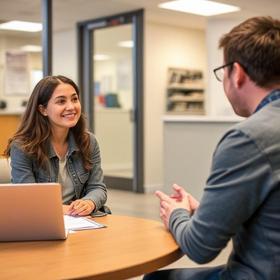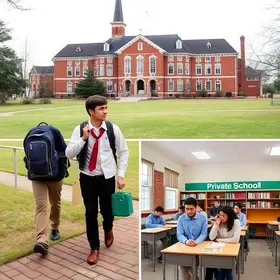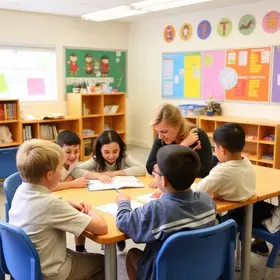
First-generation students, defined as learners whose parents did not complete a college degree, represent a growing segment of private K–12 school populations. These students bring strong motivation and resilience but often face gaps in college knowledge, family familiarity with independent schooling, and access to long-term planning resources. Private schools have an opportunity to create environments that help first-generation students thrive academically, socially, and emotionally while preparing them for postsecondary pathways.
This revised article aligns with the mission of PrivateSchoolReview.com by focusing exclusively on private elementary, middle, and high schools and by providing impartial, practical information for families evaluating private school options.
The Evolving Landscape for First-Generation Students in Private Schools
Private schools traditionally emphasize individual attention, structured academic programming, and strong college counseling. As more first-generation families consider these schools for academic rigor and personalized learning, administrators and counselors are working to understand the unique strengths and needs these students bring to campus.
Many first-generation families enroll in private schools seeking smaller classes, secure learning environments, or specialized programs. However, because parents may not have attended college or independent schools themselves, they often have limited experience with selective admissions, financial aid processes, and long-term academic planning. These differences can influence how students navigate the private school environment.
Families beginning to explore school options may benefit from broader guidance in articles such as Understanding Private School Tuition and Why Private School on PrivateSchoolReview.com.
Why First-Generation Families Choose Private Schools
Several factors contribute to the growing interest in private schools among first-generation families.
-
Academic preparation
Private schools offer strong college-preparatory programs, individualized instruction, and access to qualified faculty. Many first-generation families enroll with the goal of expanding educational opportunity. -
Safe and structured environments
Dedicated student support, close communities, and predictable routines are especially appealing for families seeking consistency. -
Specialized programs
Private schools often provide arts, STEM, language immersion, or learning support programs that may be unavailable in other settings. -
Personalized guidance
High-touch advising and college counseling help students set goals and build confidence.
For an overview of how private schools differ from public options, readers may refer to Private School vs. Public School on PrivateSchoolReview.com.
Challenges First-Generation Students May Face in Private Schools
Although private schools offer extensive resources, first-generation students often encounter specific challenges that schools should proactively address.
-
Limited familiarity with private school systems
Navigating admissions, tuition assistance, curriculum choices, and extracurricular requirements may feel unfamiliar. Parents may need support understanding terminology, academic expectations, and communication norms. -
Cultural and social adjustment
Students moving from larger or less structured environments may need time to adapt to new peer groups, school traditions, and community expectations. -
Academic transitions
While many first-generation students are highly capable, they may face gaps in preparation for advanced coursework or benefit from additional confidence-building during early transitions. -
Family communication gaps
Parents may want to be involved but are unsure how to engage with faculty, access school portals, or interpret academic reports. -
Balancing responsibilities
Some first-generation students manage family obligations, activities, or part-time jobs that can affect participation in after-school programs.
School-Based Supports That Strengthen Outcomes
Private schools are well positioned to support first-generation students through intentional structures that promote belonging, academic growth, and family engagement.
-
Comprehensive advising
Early and ongoing academic advising helps students understand course sequencing, workload expectations, and long-term planning. Schools that provide multilingual communication or family workshops broaden access. -
Bridge or orientation programs
Summer programs, peer mentoring, or extended orientation initiatives help students establish relationships and understand school culture before classes begin. -
College counseling tailored to first-generation needs
Because parents may be unfamiliar with college processes, counselors can offer step-by-step guidance on applications, testing, financial aid, and decision making. Articles such as The Private School Application Process and Financial Aid at Private Schools on PrivateSchoolReview.com provide complementary context. -
Robust wellness and mental health support
Counseling services, faculty advisors, and small-group workshops help students manage academic pressure, develop organizational skills, and build healthy routines. -
Family engagement programs
Regular workshops, translated materials, flexible meeting times, and clear communication pathways ensure parents can partner with the school effectively.
What Families and Counselors Should Consider
Supporting first-generation students requires collaboration between schools, families, and counselors. Key considerations include:
-
Encourage clear academic planning
Discuss goals, course rigor, and time commitments early to help students maintain balance and confidence. -
Promote mentorship
Connecting students with peers or alumni who share similar backgrounds fosters belonging and models success. -
Support manageable workloads
A balanced schedule prevents students from becoming overwhelmed and encourages consistent progress. -
Build self-advocacy skills
Students should practice asking questions, using office hours, and engaging with school resources. These habits strengthen independence and prepare them for future academic environments.
Summary Table: Unique Needs and Effective Supports for First-Generation Students in Private Schools
| Category | Unique Need | Effective Support |
|---|---|---|
| School Knowledge | Understanding admissions, scheduling, communication systems | Advising, family workshops, clear communication |
| Social Adjustment | Adapting to close-knit school cultures | Peer mentoring, student clubs, orientation programs |
| Academic Navigation | Managing course sequences and expectations | Academic advising, tutoring, study skills workshops |
| Emotional Well-Being | Handling pressure and transitions | Counseling services, wellness initiatives |
| Long-Term Planning | Preparing for college pathways | Individualized college counseling, financial aid education |
Looking Ahead
Private schools that understand the perspectives of first-generation students and their families will be better equipped to cultivate inclusive, supportive learning environments. With intentional structures and open communication, these students thrive academically, build confidence, and access opportunities that prepare them for success beyond graduation.
PrivateSchoolReview.com remains committed to providing impartial, comprehensive information that helps families make informed decisions about private K–12 education. Families considering private schools can explore school profiles, tuition information, and application guidance throughout the site to support each step of their educational journey.