Why Private School? (2025 Edition)
Choosing the right school is one of the most important decisions families make. In 2025, conversations about education increasingly focus on academic quality, student well-being, safety, values, and long-term preparation. For many families, private school continues to be an appealing option because of its mission-driven approach, flexible programming, and emphasis on individualized learning.
This updated guide reflects current data, tuition trends, and program developments while remaining consistent with Private School Review’s role as a neutral, non-ranking resource. Rather than promoting specific schools, this article outlines the most common reasons families consider private school and the factors that shape those decisions.
Academic Focus and Instructional Quality
Academic rigor remains one of the most frequently cited reasons families explore private school options. Private schools have the autonomy to design curricula aligned with their educational philosophy, whether that includes classical education, STEM-focused instruction, arts integration, or faith-based learning.
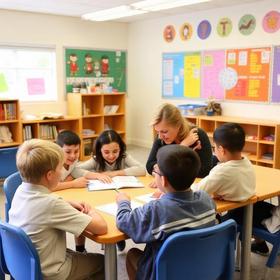
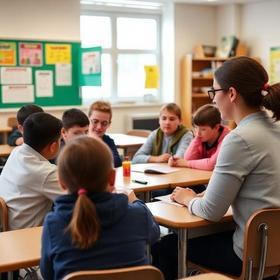
In 2025, many private schools will continue to expand project-based learning, interdisciplinary coursework, and advanced academic offerings that emphasize critical thinking and communication skills. Smaller class sizes remain a defining characteristic, with many private schools averaging between 12 and 18 students per class. This structure allows teachers to provide individualized feedback and adapt instruction to students’ strengths and needs.
Faculty hiring practices also differ from those in public systems. Private schools typically prioritize subject expertise, teaching experience, and alignment with the school’s mission. While certification requirements vary, many schools invest heavily in professional development to maintain instructional quality and curricular coherence.
Learning Environment and School Culture
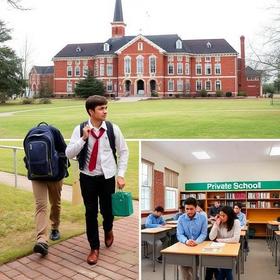
School culture plays a central role in the private school experience. Many families are drawn to the sense of community, clearly articulated values, and consistent behavioral expectations found in private schools.
In 2025, character education and social-emotional development are often woven into daily instruction rather than treated as standalone programs. Smaller school communities make it easier for students to feel known, supported, and accountable. Families frequently cite these environments as contributing to stronger peer relationships and increased student engagement.
Faith-based schools continue to serve families seeking education grounded in shared beliefs, while nonsectarian schools may emphasize ethics, leadership, or global citizenship. The wide range of missions allows families to identify schools that align closely with their educational priorities.
Safety, Student Well-Being, and Support
Student safety remains a top concern for families evaluating school options. Private schools typically manage their own campuses and safety protocols, allowing them to implement security measures tailored to their facilities and community size.
Many private schools have invested in controlled access systems, emergency preparedness training, and updated safety policies in recent years. Beyond physical safety, student well-being has become an increasingly important focus. Counseling services, advisory programs, and wellness initiatives are now more common, particularly at the middle and high school levels.
Because private schools tend to be smaller, faculty and administrators can often identify academic or emotional challenges earlier and respond with targeted support. For students with mild to moderate learning differences, some private schools offer individualized accommodations, learning specialists, or structured academic support.
Tuition, Financial Aid, and Affordability
Cost is often the most significant consideration when families evaluate private school. In 2025, tuition varies widely depending on location, grade level, and school type. Nationally, average tuition typically ranges from under $10,000 annually for elementary programs to more than $25,000 at some secondary schools in major metropolitan areas.
To improve accessibility, many private schools dedicate substantial resources to financial aid. Need-based assistance is the most common form, though some schools also offer merit-based scholarships. Families are encouraged to ask detailed questions about tuition structures, additional fees, and financial aid timelines during the admissions process.
Policy discussions related to education savings accounts and school choice continue to evolve. Families seeking current guidance on federal education policy and funding considerations can consult the U.S. Department of Education for accurate, up-to-date information, noting that eligibility and availability vary by state.
Specialized Programs and Extracurricular Opportunities
Private schools often develop specialized academic and extracurricular programs that reflect student interests and emerging educational priorities. In 2025, popular offerings include advanced science labs, robotics teams, entrepreneurship programs, and expanded visual and performing arts curricula.
World language instruction, service learning, and experiential education opportunities remain strong draws. Because enrollment is typically smaller, students may have greater access to leadership roles, performance opportunities, and competitive teams than they might in larger school settings.
At the secondary level, many private schools emphasize structured academic planning and college counseling. Dedicated advisors help students navigate course selection, testing decisions, and application timelines, providing consistent guidance throughout the high school years.
Admissions Process and School Fit
Understanding the admissions process is essential for families considering private school. While requirements vary, most schools evaluate applicants holistically, considering academic records, teacher recommendations, interviews, and family alignment with the school’s mission.
In 2025, many schools will continue to offer virtual tours, online applications, and flexible admissions timelines. Families are encouraged to begin research early, attend open houses, and ask thoughtful questions about curriculum, assessment practices, and student support services.
Private School Review emphasizes the importance of fit rather than comparison. The most successful placements occur when a school’s educational philosophy, expectations, and culture align with a student’s needs and a family’s values.
Outcomes and Long-Term Preparation
Families often ask how private school education influences long-term outcomes. Coverage from publications such as Forbes ( https://www.forbes.com/education/ ) and The Wall Street Journal has highlighted the role of smaller learning environments, mentorship, and academic focus in fostering independence, communication skills, and leadership development.
However, outcomes vary widely by student and school. Private School Review does not rank schools or suggest that private education guarantees specific results. Instead, it encourages families to evaluate programs thoughtfully and realistically, using multiple factors beyond reputation alone.
Making an Informed Decision
Deciding whether private school is the right choice requires careful consideration of academic priorities, school culture, affordability, and student well-being. Private schools offer diverse educational models, and no single approach is right for every child.
By researching schools thoroughly, understanding the admissions process, and reflecting on family goals, parents can make informed decisions rooted in clarity rather than comparison. For additional guidance on evaluating schools, admissions timelines, and financial aid considerations, families can explore resources available at https://www.privateschoolreview.com/, which provides impartial information to support confident, well-informed choices.