Facts about Schools

Why Private School? Key Considerations for Families in 2025

Updated
|
Why Private School? Key Considerations for Families in 2025
Learn why families choose private school in 2025, including academics, class size, safety, tuition trends, and admissions guidance.

Why Private School? (2025 Edition)

Choosing the right school is one of the most important decisions families make. In 2025, conversations about education increasingly focus on academic quality, student well-being, safety, values, and long-term preparation. For many families, private school continues to be an appealing option because of its mission-driven approach, flexible programming, and emphasis on individualized learning.

This updated guide reflects current data, tuition trends, and program developments while remaining consistent with Private School Review’s role as a neutral, non-ranking resource. Rather than promoting specific schools, this article outlines the most common reasons families consider private school and the factors that shape those decisions.

Academic Focus and Instructional Quality

Academic rigor remains one of the most frequently cited reasons families explore private school options. Private schools have the autonomy to design curricula aligned with their educational philosophy, whether that includes classical education, STEM-focused instruction, arts integration, or faith-based learning.

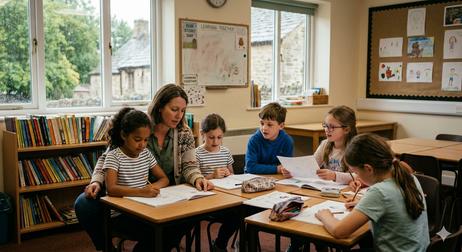
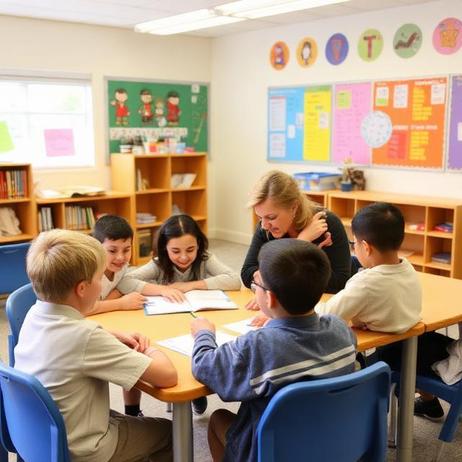
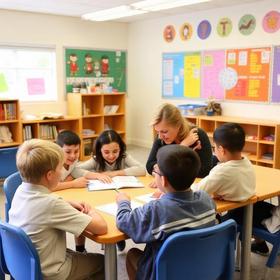
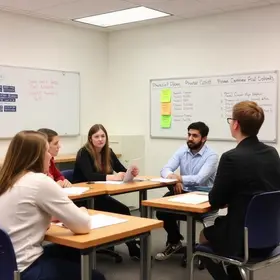
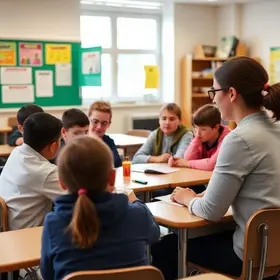
In 2025, many private schools will continue to expand project-based learning, interdisciplinary coursework, and advanced academic offerings that emphasize critical thinking and communication skills. Smaller class sizes remain a defining characteristic, with many private schools averaging between 12 and 18 students per class. This structure allows teachers to provide individualized feedback and adapt instruction to students’ strengths and needs.

Faculty hiring practices also differ from those in public systems. Private schools typically prioritize subject expertise, teaching experience, and alignment with the school’s mission. While certification requirements vary, many schools

. . .read more

Choosing the Right Private School Path: Cost, Readiness, and Fit

Updated
|
Choosing the Right Private School Path: Cost, Readiness, and Fit
A 2025 guide to evaluating private school options, admissions readiness, and pathways to help families make informed K–12 decisions.

A Practical Guide to Evaluating Your Private School Path in 2025

Families exploring private elementary, middle, and high schools today face an educational landscape shaped by economic pressures, evolving curriculum models, and rising expectations for student readiness. Choosing the right school has never been more important, and parents are increasingly evaluating options in a more strategic and long-term way. This guide reframes the original focus on community college by concentrating on the decisions that matter most within private K–12 education, including affordability, readiness, fit, flexibility, and long-range planning for high school and beyond.

Private School Review’s mission is to help families make informed choices. The goal is not to rank schools, but to give parents the clarity and context they need when comparing programs, evaluating admissions requirements, and determining what environment will best support their child’s success.

Understanding the Cost Landscape

Affordability remains one of the most significant factors in private school decision-making. Tuition continues to rise nationally, although many schools have expanded financial aid and indexed tuition models to remain accessible to a broader range of families.

Key cost considerations for 2025:

  • Tuition varies widely depending on location, grade level, residential options, and specialized programs.

  • Financial aid is more flexible than it once was, and many schools offer need-based grants rather than loans.

  • Day schools generally cost significantly less than boarding programs.

. . .read more

Parents' FAQs About Private School

Updated
|
Parents' FAQs About Private School
For parents considering private school education, navigating the process can be overwhelming. From tuition costs to admission requirements, understanding the essentials makes a world of difference. This FAQ-style guide addresses the most common questions parents have when exploring private schools, helping families make informed, confident choices.

Parents' FAQs About Private School

Deciding whether a private school is the right fit for your child comes with plenty of questions. How much does it cost? What benefits do private schools offer? How do financial aid and scholarships work? Parents deserve clear and reliable answers, and that’s exactly what this article provides. Whether you’re new to private education or looking for deeper insights, this FAQ guide will equip you with the knowledge you need.

One of our parental prerogatives is to worry about our children.

  • That's because your child never came with an instruction manual.
  • As a result, you have had to learn so many things about parenting simply by being a parent.
  • No matter, worry is part of the parental landscape.
  • If you are considering sending your child off to a private school, your worries will be pretty specific.
  • Probably along the lines of the following questions.

Many parents find the concept of sending a child to boarding school upsetting; a child's adolescence is such a distinctively affective period that entrusting it to others seems wrong. Yet boarding schools prosper, successors to institutions dating to medieval times. Source: Forbes.com

Will my child be safe?

Private schools take your child's safety very seriously.

  • Contractually a private school functions in loco parentis.
  • This is a legal way of stating that the school acts in the place of the parent.
. . .read more

Myths About Private School

Updated
|
Myths About Private School
Peel back the layers of longstanding misconceptions and explore the truth behind private school education. This article debunks the most common myths about private schools by presenting data, expert insights, and real-life examples that highlight how private education fosters academic excellence and personal growth. Discover why the reality of private schooling might be more compelling than the myths suggest.

Myths About Private School

What are private schools like anyway?

  • Even if you're starting your private school research, there's a good chance you already have an impression of private schools.
  • Perhaps you have read The Catcher in the Rye or A Separate Peace. Or maybe you saw Dead Poets Society or School Ties. These stories, while entertaining, offer a picture of private schools that is quite different from what you will find today.
  • Just as universities and colleges in the United States have evolved in the past several decades, private schools have also evolved.
  • Unfortunately, while the perception of private schools is changing, there are still some lingering myths.

Myth 1: You must be very wealthy to go to a private school.

Approximately a third of all private school students receive financial aid.

  • Financial aid grants can represent a significant portion of tuition, depending on the school and your family's situation.
  • Students now increasingly come from public schools and a wider range of family income levels.
  • In general, boarding schools do their best to make their programs accessible to your family through financial aid grants, loan programs, and merit awards/scholarships.

In the past ten years, the emergence of K-12 private school loans has also made boarding school education more accessible.

  • Today's families that send
. . .read more

Why Small Class Sizes Work

Updated
|
Why Small Class Sizes Work
You want your child to receive plenty of individual attention. That's one of the reasons most parents send their children to private school.

One of the primary reasons parents send their children to private school is for the individual attention students receive. Private schools can provide that sort of attention because their class sizes are small. Small class sizes work. Small class sizes are one of the main reasons you send your child to private school. With that in mind, let's look at why small class sizes are so important.

1. There's nowhere to hide in a small class.

Imagine your child in a large high school class of 30-35 students. She's not good at math. Most of the students in her class don't understand math and could care less about it. So your daughter hangs out in the back of the room, keeps quiet, and tries to pay attention. The distractions and cutting up around her mitigate against any meaningful learning. Consequently, your daughter falls further and further behind in math. Sadly, public school class sizes increase as school districts struggle with budget deficits. As a result, class sizes of 30-35 students are common.

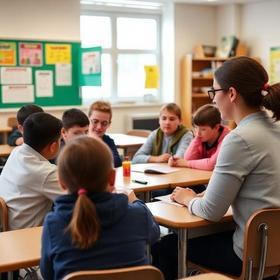
Contrast that learning environment with 12-14 students seated around a Harkness Table in a boarding school. A Harkness Table is an oval table. The teacher sits at the table with his students. This arrangement places students in a situation where they have no choice but to engage and interact with each other and with their teacher. A Harkness table creates a climate for learning.

This video discusses teaching in large versus small classes.

Implicit in the

. . .read more

Recent Articles

Financial Aid 101 for Private School Families 2026
Guide to private school financial aid in 2026, with current costs, key planning timelines and practical steps parents need to maximize aid options.
Why Extracurricular Activities Matter in 2026
Discover why extracurricular activities remain essential in 2026, with updated research, costs, and admissions insights for parents and students.
How to Appeal for Financial Aid After Admission
Learn how to appeal for financial aid after admission to a private school, with expert steps, timelines, and 2026 updates for families.