Best Rhode Island Friends Private Preschools (2026-27)

For the 2026-27 school year, there are 2 friends private preschools serving 1,131 students in Rhode Island. You can also find more religiously affiliated schools in Rhode Island.
The top ranked friends private preschools in Rhode Island include Moses Brown School and Lincoln School.
The average acceptance rate is 32%, which is lower than the Rhode Island private preschool average acceptance rate of 78%.

Quick Facts (2026-27)

  • # Private Schools: 2
  • # Students Served: 1,131

Quick Facts (2026-27)

  • # Private Schools: 2
  • # Students Served: 1,131

Top Ranked Friends Private Preschools in Rhode Island (2026-27)

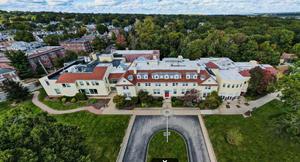
Lincoln School Photo
Gr: PK-12 | 378 students
Avg. class size: 13 students
Sports: 9 | Extracurriculars: 3
All-girls (Friends)
301 Butler Ave
Providence, RI 02906
(401) 331-9696
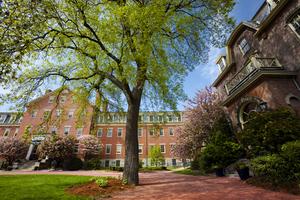
Moses Brown School Photo
Gr: NS-12 | 753 students
Avg. class size: 14 students
Sports: 16 | Extracurriculars: 33
Friends
250 Lloyd Ave
Providence, RI 02906
(401) 831-7350

Frequently Asked Questions

What are the top ranked friends private preschools in Rhode Island?
The top ranked friends private preschools in Rhode Island include Moses Brown School and Lincoln School.
How many friends private preschools are located in Rhode Island?
2 friends private preschools are located in Rhode Island.

Recent Articles

How Much Homework Is Too Much?
Learn how to compare private school homework expectations, recognize excessive workloads, evaluate assignment quality, and ask better questions about academic balance before choosing a school for your child.
Learning Support Without a Formal Program
Learn what private schools mean by informal learning support, how services differ from formal programs, and which questions families should ask before choosing the right school today.
Beyond AP vs. IB: How to Judge Academic Rigor
Learn how to judge academic rigor at private schools without AP or IB by examining curriculum depth, assessments, faculty expectations, advanced coursework, student work, and college preparation outcomes.

Quick Links