High School

Learn more about high school academics, discipline policies and other issues relevant to private schools. Here we cover dress codes, explain the difference between AP and IB courses and discuss teen suicide. You’ll also find information on study abroad programs, codes of conduct and the best graduation gifts.

View the most popular articles in High School:

Preventing Teen Suicide

Updated
|
Preventing Teen Suicide
This article addresses the critical issue of teen suicide, emphasizing its preventability and the importance of recognizing warning signs. It highlights the pressures faced by private school students, such as academic stress and social expectations, which can lead to depression and suicidal thoughts. The article provides guidance for parents, students, and educators on how to identify at-risk individuals and take proactive steps to prevent suicide.

Every year, there are reports of private school students taking their own lives.

Suicide casts a terrible pall over any school community.

  • It just seems so pointless, so senseless.
  • Yet, had members of the community acted on the signals the young person was most likely sending, that suicide could have been prevented.

The academic work in private schools can be very heavy.

  • The pressures to succeed, to get into the best college, and to not let parents and others down, combined with the reality of adolescent uncertainty, can create a climate for depression.
  • Depression can lead to suicide.
  • But suicide is preventable.

Suicide is preventable.

Suicide is the 3rd largest killer of young adults between the ages of 15-24.

  • Teen suicide is preventable.
  • Know the warning signs.

The following information from Kids Health tells you what to look for.

"Suicide among teens often happens after a stressful life event, such as problems at school, a breakup with a boyfriend or girlfriend, the death of a loved one, a divorce, or a major family conflict. Teens who are thinking about suicide might: * talk about suicide or death in general * give hints that they might not be around anymore * talk about feeling hopeless or feeling guilty * pull away from friends or family * write songs, poems, or letters about death, separation, and loss * start giving away treasured possessions to siblings or friends * lose the desire to take part in favorite things or activities * have trouble concentrating
. . .read more
Cellphones In The Classroom: Good Or Bad?

Updated
|
Cellphones In The Classroom: Good Or Bad?
Cellphones can be both a useful tool and a distraction. We look at the issue from both points of view.

This article has been updated to reflect 2026 data and recent developments.

Thirty years ago, cell phones were expensive and underpowered. The only thing you could do with them was dial a number to speak with someone. Cell phones have morphed into high-powered devices called smartphones. They can make calls, text messages, take photos with one or two cameras, play music, and much more. As a result, cell phones, or rather, smartphones, can be both a useful tool and a distraction in school. Cell Phones In The Classroom: Learning Tool or Distraction outlines the issue facing teachers and administrators alike. The big advantage of allowing cell phones in the classroom is that the school doesn't have to build any local infrastructure. In other words, you don't have to wire buildings and set up servers to support students' and administrators' cell phones. The cell phone service provider takes care of all of that. Teachers can routinely deliver information and content via students' smartphones easily and conveniently.

In 2026, schools continue to balance the educational possibilities of smartphones against concerns about distraction. Private School Review's Is a Phone-Free Private School Right for Your Child? examines this issue for families considering private schools.

Endless possibilities for good

40 Simple Ways To Use A Smartphone In The Classroom lists just some of the things you can do with a smartphone in the classroom. As an old teacher, I particularly like that you can use that one device

. . .read more

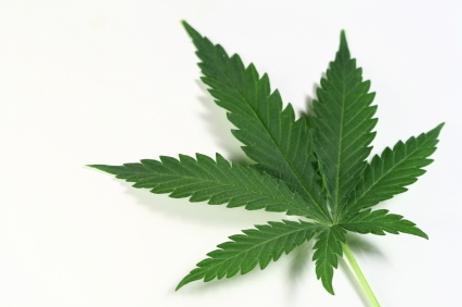
My Child Has Been Expelled For Smoking Pot!

Updated
|
My Child Has Been Expelled For Smoking Pot!
If your child is caught smoking pot or drinking on her private school campus, the consequences will be severe.

We parents hold our breath as our children enter the teenage years. They face so many temptations. They cope with so much peer pressure. Popular culture bombards them with notions of what is acceptable and what's cool. What's a parent to do? Sometimes it seems as though we are swimming against the tide. A very strong tide.

Regardless of what pressures our teenagers face, our job as responsible parents is to teach our children that there will be consequences for their actions. Some consequences are positive. Others will be negative. For example, when our teenagers learn to drive, they are taught that it is illegal to run a red light or to drink and drive. Those consequences seem pretty obvious. Most teenagers, but not all, tend to obey those basic rules. That's the point. We try very hard to teach our teenagers that rules are there for a purpose. You perhaps may not agree with the reason for the rule. You do, however, have to be aware of the rules and obey them.

But what about the consequences our children might face for breaking the rules in a private school? You see, private and public schools are very different when it comes to discipline. The difference between public and private schools becomes even more noticeable when handling big issues such as substance abuse, among other disciplinary matters. Most private schools will have immediate consequences for infractions

. . .read more

Interactive Learning the Harkness Way

Updated
|
Interactive Learning the Harkness Way
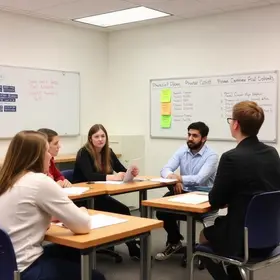
Students sitting in rows of desks listening to a teacher lecture? You are not likely to find this scenario in a school which uses Harkness Tables.

This article has been updated to reflect 2026 data and recent developments.

Students sitting in rows of desks listening to a teacher lecture? You will not likely find this scenario in a school that uses Harkness Tables. The brainchild of wealthy industrialist Edward Harkness, an Exeter alumnus, Harkness Tables are oval tables that seat 12-18 students together with their teacher. You cannot hide in the back of a classroom that uses Harkness Tables. That's the point. Engaged students learn. Today, Phillips Exeter Academy continues to use the Harkness approach throughout its classrooms, typically seating 12 students and one teacher around the table.

In ancient times, teaching was collaborative; think Socrates and Quintilian, but somewhere in our Victorian-Edwardian past, we got off the rails and lined children up in regimented rows of chairs and desks. Maria Montessori and Rudolph Steiner rebelled against this sort of regimentation. Their classrooms became what we would now call activity centers. Private School Review's Montessori and Waldorf resources continue to document these alternative educational approaches.

High school lab courses such as chemistry and physics have always been interactive and hands-on. Discussion of findings and research is encouraged in that collaborative environment. Every member of the class has an opinion and a finding. That is the idea behind the Harkness Table. Every member of the class is encouraged to be an active participant. Because eye

. . .read more

Codes of Conduct

Updated
|
Codes of Conduct
Discipline in private schools generally begins with a code of conduct.

One of the reasons we parents send out children to private school is discipline. We have grown concerned about our children being in large classes where the teachers spend much of their teaching time dealing with discipline issues. That's not the education environment we want for our children. We want them to go to school to learn in a safe, supportive environment where they can learn.

As you investigate private schools at any level, review how the schools handle discipline. Because each private school is a stand-alone entity, how it approaches the matter of discipline will vary from school to school. Be ready for that. How a school handles discipline is one of many factors which will influence your choice of schools.

What is a code of conduct?

Discipline in private schools generally begins with a code of conduct. A code of conduct is a document which has been produced by the school administration and approved by the board of trustees or other governing body. The code of conduct is generally read and signed by parents and students at the time of admission to the school. It becomes part of the contract between student, parents and the school which governs your attendance at the school. Since you have already agreed to the school's code of conduct beforehand, when you commit an infraction of the code, you will be disciplined accordingly.

It will be difficult

. . .read more

Recent Articles

Should Your Child Stay at the Same Private School K–12?
Explore whether your child should attend the same private school from kindergarten through graduation, weighing academic continuity, friendships, changing needs, tuition costs, and opportunities at different educational stages.
When Your Child's Closest Friends Leave Private School
Learn how to support your child when close friends leave private school, manage loneliness, maintain friendships, encourage new connections, recognize emotional challenges, and decide when additional school support is needed.
When Your Child Doesn't Connect With Their Teacher
Discover when parents should intervene if their child struggles to connect with a private school teacher, including warning signs, communication strategies, classroom concerns, and practical steps toward improving relationships.

High School

ACADEMICS
A comprehensive look at high school academics. We cover grades, AP and IB courses, and the post graduate year. Learn the secrets of A+ students. Explore summer abroad programs, read interviews with experts and get valuable tips on excelling academically.
DISCIPLINE
A brief look into high school discipline policies. From codes of conduct to uniforms and dress code, we'll provide information on the latest practices in private schools.
OTHER ISSUES
From graduation gifts to preventing teen suicide, this section provides information on a variety of topics affecting high school students. Learn what to do when your child is expelled, you need financial aid or you’re looking for a teaching job. Get expert advice on protecting your teen from substance abuse, finding the right high school and handling personal technology on campus.