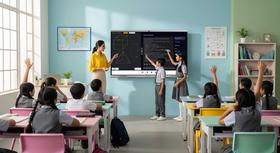
In recent years, an increasing number of private schools have adopted phone-free policies, limiting or completely banning student smartphone use during the school day. What began as a handful of schools experimenting with digital distraction reduction has evolved into a broader movement across American education.
For many parents, the appeal is obvious. Smartphones can interfere with learning, contribute to social pressures, and make it harder for students to focus. Yet removing phones from students' daily lives also raises important questions about independence, communication, and digital literacy.
If you are evaluating schools for your child, understanding the advantages and potential drawbacks of a phone-free private school can help you determine whether this educational approach aligns with your family's goals.
Why Are Schools Moving Toward Phone-Free Policies?
A growing body of research has prompted educators to reconsider the role of smartphones in schools. Organizations such as the American Academy of Pediatrics and researchers highlighted through Common Sense Media have examined how excessive smartphone use can affect attention, sleep quality, and student well-being.
As a result, many private schools have implemented policies that:
- Require phones to remain in lockers throughout the day
- Use locked phone pouches during school hours
- Restrict phone access to specific times and locations
- Prohibit smartphones entirely during academic and extracurricular activities
Unlike many public school districts, private schools often have greater flexibility to implement and enforce campus-wide policies. This allows them to create consistent expectations across classrooms, athletics, arts programs, and student life.
The goal is not necessarily to eliminate technology. Most phone-free schools continue to use laptops, tablets, and educational software while removing the distractions associated with personal smartphones.
Potential Benefits of a Phone-Free Private School
Improved Academic Focus
One of the most frequently cited benefits is increased student attention during class.
Even when phones remain silent, notifications, messaging, and social media can divide students' attention. Research reviewed by the National Center for Education Statistics suggests that student engagement and learning outcomes are closely tied to classroom focus and instructional quality.
Many educators report that students in phone-free environments:
- Participate more actively in discussions
- Complete assignments with fewer interruptions
- Retain information more effectively
- Engage more deeply with classroom material
Private schools, which often emphasize small class sizes and active participation, may find that phone-free policies further strengthen classroom engagement.
Families evaluating school environments may also benefit from reading How to Choose a Private School: 2026 Parent Guide.
Stronger Social Connections
A common concern among educators is that students often spend free periods looking at screens rather than interacting with peers.
Schools that restrict phone use frequently report increases in:
- Face-to-face conversations
- Participation in clubs and activities
- Collaborative problem-solving
- Community engagement
Private schools traditionally place significant emphasis on community-building. A phone-free environment can support these efforts by encouraging students to connect more directly with classmates and teachers.
Reduced Social Media Pressure
Many adolescents experience social stress related to:
- Constant messaging
- Social media comparisons
- Online conflicts
- Fear of missing out
When phones are removed during the school day, students gain several hours free from these digital pressures.
For some children, particularly those prone to anxiety or distraction, this break can provide meaningful emotional benefits and help create a healthier balance between online and offline experiences.
Better Relationships With Teachers
Private schools often emphasize mentorship and close student-faculty relationships. Reducing phone use can increase opportunities for authentic conversations and relationship-building.
Without the distraction of devices, students may be more likely to:
- Ask questions after class
- Seek academic support
- Participate in discussions
- Develop stronger connections with faculty members
These relationships often become an important part of the private school experience.
Potential Challenges to Consider
While phone-free schools offer clear advantages, they are not necessarily the right fit for every student.
Communication Concerns
Many families appreciate being able to contact their children directly throughout the day.
A phone-free policy typically means parents must communicate through:
- School offices
- Designated emergency channels
- Scheduled student access periods
For some families, particularly those managing complex schedules or transportation arrangements, this adjustment can feel restrictive.
Before enrolling, ask schools how they handle communication during emergencies and routine scheduling changes.
Transition Difficulties
Students who are accustomed to constant smartphone access may initially struggle with a phone-free environment.
Common challenges include:
- Anxiety about missing messages
- Difficulty adjusting to reduced screen time
- Resistance to new rules
- Feelings of disconnection
However, many schools report that students adapt relatively quickly once phone-free expectations become part of the daily routine.
Limited Opportunities for Digital Self-Regulation
Some critics argue that banning phones does not necessarily teach responsible technology use.
Instead, they suggest students should learn how to manage distractions while maintaining access to devices.
This concern has led some schools to adopt middle-ground approaches that combine restrictions with digital citizenship education.
When evaluating a school, ask how it teaches students to develop healthy technology habits beyond simply limiting access.
Which Students May Thrive in a Phone-Free Environment?
Every child responds differently to technology and school culture.
A phone-free private school may be particularly beneficial for students who:
- Struggle with distraction during academic tasks
- Experience social media-related stress
- Need additional structure and accountability
- Prefer face-to-face interaction
- Benefit from highly engaged classroom environments
Parents often find that students who are overwhelmed by constant digital stimulation experience noticeable improvements in focus and well-being after transitioning to a more structured environment.
Families comparing options may also want to review Private School vs Public School: Key Differences (2026 Guide) to better understand how school culture differs across educational settings.
Questions to Ask During School Visits
If a phone-free policy is important to you, consider asking admissions representatives the following questions:
How Is the Policy Enforced?
Understanding the school's approach can reveal whether the policy is largely symbolic or actively supported.
Ask:
- Are phones collected or stored?
- What happens when students violate the policy?
- Are there exceptions?
What Technology Is Available for Learning?
A phone-free school should not necessarily be a technology-free school.
Find out:
- What devices students use in class
- How digital learning tools are integrated
- Whether technology instruction remains part of the curriculum
How Do Students Communicate With Parents?
Clarify procedures for:
- Emergencies
- Transportation changes
- After-school activities
- Medical concerns
Strong communication systems can ease parental concerns about restricted phone access.
What Do Current Students Think?
Current students often provide valuable insight into how the policy affects daily life.
Ask whether students believe the phone-free environment has improved:
- Learning
- Friendships
- School culture
- Mental well-being
Their perspectives may offer a more complete picture than policy documents alone.
The Growing Trend in Private Education
As concerns about student attention, mental health, and digital dependency continue to grow, phone-free policies are becoming increasingly common across private schools.
Many educators point to research and guidance from the U.S. Department of Education when examining how technology affects classroom engagement and student development.
Some schools view these policies as a natural extension of their mission to educate the whole child, focusing not only on academics but also on social development, character, and emotional well-being.
Parents interested in broader school-selection strategies may also find value in Choosing a Private School.
Conclusion
Choosing a phone-free private school is ultimately about more than smartphone policies. It is about deciding what kind of learning environment will best support your child's academic growth, social development, and overall well-being.
For some students, reduced digital distractions can lead to greater focus, stronger friendships, and a more engaged school experience. For others, a more balanced approach to technology may be preferable.
As you evaluate schools, look beyond the policy itself and consider how it fits into the school's broader educational philosophy. When implemented thoughtfully, a phone-free private school can offer an environment where students spend more time connecting, participating, and learning, both inside and outside the classroom.