
Families evaluating private K–12 schools often look for reliable indicators of student success. While each independent school offers a distinct mission, culture, and instructional model, certain predictors consistently correlate with strong academic growth, social development, and long-term readiness for higher education.
This guide synthesizes current practices within private elementary, middle, and high schools. It highlights the student success predictors that most strongly influence academic progress, engagement, and overall well-being. It also offers guidance for advisors and families who want to assess how well a school supports students at each developmental stage.
Private School Review’s mission is to offer clear, impartial information to families without ranking schools. In this spirit, the following framework is designed to help families understand what to look for as they compare options, visit campuses, and interpret school profiles.
Why Student Success Predictors Matter for Families Choosing a Private School
Private schools vary widely in size, philosophy, curriculum design, and support systems. When families understand key predictors of student success, they can:
- Identify schools with strong academic foundations and supportive learning environments
- Evaluate whether a school’s structure aligns with a student’s learning style, interests, and needs
- Understand how well a school prepares students for the next level, whether that is kindergarten, middle school, high school, or college
- Make informed decisions using neutral, research-informed criteria rather than marketing language alone
Families can review detailed school profiles, including student-to-teacher ratios, faculty credentials, and program offerings, on Private School Review. These data points provide an accessible starting point for evaluating a school’s readiness to support student success.
The Five Most Reliable Student Success Predictors in Private K–12 Schools
Research and school performance patterns reveal several predictors that strongly influence student outcomes across the private school landscape.
-
Early Academic Momentum
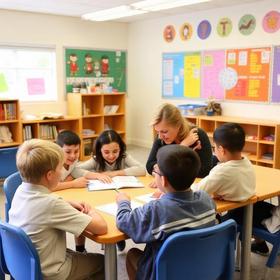
A student’s early experience in elementary and middle school often sets the foundation for later achievement. Schools that establish academic momentum in the early grades typically provide:
- Developmentally aligned literacy and numeracy frameworks
- Early access to enrichment, such as world languages or STEM activities
- Small class sizes that allow frequent feedback
- Consistent teacher communication with families
When students build skills and confidence early, they are more likely to enter upper grades prepared for advanced coursework and independent learning.
-
Clear Academic Pathways and Program Structure
Private schools that articulate coherent academic pathways help students progress through each grade with purpose and clarity. Strong program structure often includes:
- Published curriculum guides that explain how skills develop year to year
- Defined academic benchmarks and assessment rhythms
- Mission-aligned approaches to arts, athletics, character education, or experiential learning
- Thoughtfully planned transitions from elementary to middle school and middle to high school
Families should look for schools that provide transparent communication about course expectations and developmental goals. Clear structure reduces confusion and helps students stay anchored academically.
-
Robust Academic and Personal Support Services
Support systems play a significant role in student success, particularly in middle and high school. Strong private schools typically offer:
- Academic advising and faculty mentorship
- Accessible tutoring or learning support services
- Counseling and wellness programs
- Parent education programs that reinforce healthy study habits at home
Because private schools vary in their levels of support, families should ask about caseloads, availability of learning specialists, and how early the school intervenes when a student struggles.
-
High-Quality Teaching and Engaging Learning Environments
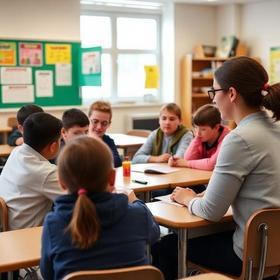
Instructional quality is a major driver of student achievement. Hallmarks of strong teaching in private schools include:
- Faculty with relevant training and ongoing professional development
- Low student-to-teacher ratios that enable individualized instruction
- Use of active learning, project-based experiences, and differentiated methods
- Opportunities for real-world learning through labs, fieldwork, service learning, and leadership roles
Families should consider how schools invest in faculty growth, since professional learning often correlates with stronger classroom engagement.
-
Strong School-to-Next-Step Transitions
While Private School Review does not rank schools, it emphasizes helping families understand how effectively schools prepare students for their next educational stage. Strong transition practices may include:
- Defined high school readiness benchmarks for middle school students
- College counseling programs in upper schools
- Portfolio development for arts-focused students
- Personalized placement guidance for students advancing to new schools
These structures help ensure students enter the next phase of their education confident, prepared, and supported.
Summary Table: Key Student Success Predictors in Private K–12 Schools
| Predictor Category | Why It Matters | Family Evaluation Tips |
|---|---|---|
| Early Academic Momentum | Builds foundational literacy, numeracy, and confidence | Review early-grade curriculum and student support practices |
| Program Structure | Helps students progress with clarity and purpose | Ask how curriculum builds across grade levels |
| Support Services | Reduces stress and strengthens engagement | Explore availability and responsiveness of academic and wellness supports |
| Teaching Quality | Drives deeper learning and academic growth | Inquire about faculty development and class sizes |
| Transition Readiness | Ensures strong preparation for next steps | Discuss how the school guides families through key academic transitions |
How Families and Advisors Can Use These Predictors
Families can apply these predictors as a structured lens when comparing schools, observing classrooms, and reviewing school materials.
Assess Student Readiness and Fit
Each child has unique strengths, interests, and support needs. Families should consider:
- Learning style and preferred classroom environments
- Need for structure or independence
- Readiness for accelerated, traditional, or student-centered models
Understanding readiness helps match students with schools where they can thrive.
Compare Private Schools Using Meaningful Indicators
When reviewing campus profiles or touring schools, consider gathering information on:
- Class sizes and faculty experience
- Academic philosophy and instructional approach
- Availability of arts, athletics, and enrichment
- Academic support systems
- Approaches to character development, leadership, and community life
These indicators help families focus on substantive differences rather than marketing impressions.
Prepare for the School’s Academic Culture
Private schools vary in expectations and communication styles. Families should clarify:
- How often teachers provide updates
- Homework policies and workload expectations
- How quickly the school responds to academic concerns
- How families partner with educators to support progress
Understanding these norms in advance helps students adjust smoothly and confidently.