
Diversity in Private Schools: Are We Making Progress?
Private schools often market themselves as bastions of academic excellence, smaller class sizes, and enriched opportunities. But when it comes to diversity in private schools, the record is more mixed. While many institutions have made visible efforts toward inclusion, structural obstacles, backlash against DEI initiatives, and persistent inequality mean progress remains uneven. This article examines where private schools have moved forward, where they still lag, and what meaningful progress would look like.
Why Diversity Matters in Private Schools
The rationale for greater diversity goes beyond optics:
- Equity and access. Private education has historically favored families with means, excluding lower-income and marginalized groups.
- Enriched learning environments. Students benefit from exposure to peers with different backgrounds, perspectives, and life experiences.
- Preparation for a plural society. Whether in college, work, or civic life, graduates must work across cultural and racial lines.
Given those stakes, private schools—typically less regulated than public ones—bear a responsibility if they are to reflect a fuller social mandate rather than merely serving elites.
The Current State: Data & Trends (2025)
Enrollment Patterns and Segregation
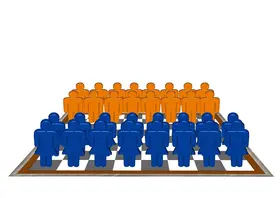
- In the U.S., 65 % of private school students are White, even though only 47 % attend traditional public schools. Pew Research Center
- Research indicates that White and Asian students enroll in private schools at about twice the rate as Black and Latino students. Center for Education Policy Analysis
- A ProPublica tool allows users to see how “segregated” individual private schools are