
Traditional Private Schools

This section focuses on the core attributes of conventional private schools, highlighting their unique features, educational approaches, and the benefits they offer compared to public education. It provides an in-depth look at what defines a private school and why families might choose this option.

View the most popular articles in Traditional Private Schools:

What's a Private School?

Updated
|
What's a Private School?
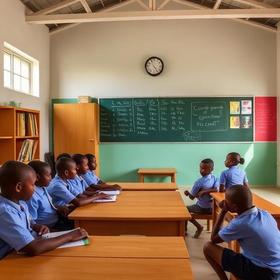
Private K-12 schools are non-public schools. In other words, they are not part of the public K-12 education system. A brief history of K-12 education in the 17th and 18th centuries and more.

Private K-12 schools are non-public schools. In other words, they are not part of the public K-12 education system. While private schools are regulated in the same way most businesses are with respect to safety, zoning and registration, they are not required to do many of the things public schools must do such as state testing and accepting any student who applies.

First, let's take a quick look at the history of K-12 education in the United States of America. What were the first colonists were up against as far as education was concerned? The challenges were enormous simply because there was nothing here. Native Americans did not have school buildings. They educated their offspring in their natural surroundings. The colonists, on the other hand, had left a country with an organized educational system. For example, King's School, Canterbury, opened its doors in 597. In the Middle Ages, the kings and queens of England established schools and universities to educate young men. In most cases, these educational establishments were founded to educate and train clergy, judges, and other public officials. Edward VI set up free grammar schools which were open to all, regardless of religious beliefs or ability to pay. Many of the great cathedrals and abbeys had choir schools where they provided for the education of boys.
Leaving a country with a long history of education, the earliest settlers in America arrived here in the early part of the 17th century and very quickly and resolutely set

. . .read more

What's an Independent School?

Updated
|
What's an Independent School?
Join us on this enlightening journey as we unravel the tapestry of private schools, providing a comprehensive overview of the different names, types, and educational philosophies that define them. Whether you are a parent seeking the perfect fit for your child's educational journey or simply curious about the diverse educational landscape, this article is your gateway to understanding the multitude of private school options available.

Private schools come in a remarkable variety of names and types, each offering a unique educational approach and philosophy. In this comprehensive article, we delve into the fascinating world of private schools, shedding light on the diverse range of institutions available to families seeking alternative educational options.

From elite prep schools to Montessori academies, religious-affiliated institutions to progressive learning centers, the landscape of private schools is rich and diverse. We examine the various names and labels associated with these educational establishments, uncovering the meanings behind them and the educational philosophies they represent.

Discover the distinctive characteristics of different private school types, such as independent schools, boarding schools, single-sex schools, and alternative schools. Gain insights into their educational methodologies, curriculum choices, and core values. Whether you are interested in a traditional academic focus, a specialized arts program, or an emphasis on experiential learning, this article will help you navigate the vast array of options available.

Furthermore, we explore the benefits and considerations associated with each type of private school, allowing parents to make informed decisions based on their child's unique needs, interests, and learning styles. We highlight the advantages of smaller class sizes, personalized attention from dedicated faculty, and the availability of extracurricular activities that foster holistic development.

The definition of an independent school.

Collins Dictionary defines an independent school as "a private school, not open to or controlled by the public, especially one that is nonreligious and supported mainly by tuition and private funds." An independent

. . .read more

What Overseas Parents Need To Know

Updated
|
What Overseas Parents Need To Know
Relocating to the U.S. in 2026? Discover what international families should know about American private schools, including school types, admissions, curriculum options, boarding and day schools, and expert tips for choosing the best fit for your child.

If you live abroad and are thinking about sending your child to an American private school, you need to be aware of several things about American schools. If you are being transferred to the United States by your employer, your move may entail help finding and paying for private schools for your school-age children. Let's explore five characteristics of American private schools you need to know.

1. The U.S. has many private schools.

First of all, like everything else in the U.S., the number of private K-12 schools in the United States is overwhelming. According to the latest data from the National Center for Education Statistics, there are approximately 30,000 private schools in the United States. Private schools continue to educate about 10% of K-12 students. For an overview of the private school landscape, see Private School Review's guide to What's a Private School?.

In North America, "public" refers to a school that receives funding from a government entity. The federal, state, and local authorities support our public schools with tax dollars. Generally, public schools are largely funded by property taxes at the local municipal level. Private schools, on the other hand, are generally supported almost exclusively by their own resources. These include tuition fees, fundraising campaigns, and endowments. While many states now offer school choice scholarships or education savings accounts that families may use toward tuition, private schools generally remain independently governed. Another difference in nomenclature is the use of the word

. . .read more

Changing Schools and Moving to New Area

Updated
|
Changing Schools and Moving to New Area
Moving and changing private schools? Follow this practical 2026 checklist to stay organized, navigate admissions, manage your move, and help your children transition successfully into their new school.

Changing schools and moving can be stressful, even if the entire family is excited about the move. The purpose of this article is to give you a checklist of all the things you may need to think about as you orchestrate your move and what you may need to do when changing schools. We have set up a list of things to do along a timeline to mirror your busy schedule as you get your household and school paperwork in order.

As Soon As You Decide to Move

Changing Schools?

  • Private schools often have rigorous admissions. As soon as you realize that a move is necessary, it would help if you researched the private schools in the area and set up interviews so that you can better ascertain your family's fit for the school.
  • One of the easiest ways to begin your search is by using the Private School Review directory to compare schools by location, grade level, tuition, enrollment, and academic offerings before scheduling campus visits.
  • Get on the waiting list. Even if you cannot get your children into your first choice school because they do not have room, stay on their waiting list. Students drop out, move themselves, and enrollment openings occur throughout the year.
  • Consider using an educational consultant from your target destination to help you decide where to place your children when you move.
  • Give yourself enough time for your children to take admissions tests, if required, or placement tests so that the school can best determine fit
. . .read more

Why Private School?

Updated
|
Why Private School?
Is private school right for your child? Learn about the things you should consider and the unique benefits of a private school education.

Why Private School?

The question of how to educate a child is one of the most important a parent can ask.

  • Many parents struggle with the basic choice of public vs. private school.
  • Parents do not want to incur unnecessary expenses if they will not ultimately benefit their child.
  • After all, many public schools do an excellent job of educating students.

While it is true that public schools do not have tuition costs compared with private schools where tuitions run, on average, from $30,000 to $50,000 per year, the benefits of private education can still far outweigh the costs depending on the local options parents may face.

  • Private schools challenge their students academically, expose them to clearer value systems, give greater access to teachers, and allow them to feel safer than at a local public school.
  • When you do decide to pursue private schooling for your child, start the research process early.
  • Admission to private schools can be competitive, and finding a school that is a perfect fit for your child, where he or she will also be accepted, may take some time.

iStock Photo by Zmaster

A Higher Bar

A major advantage to private education is that your child will likely be challenged to a higher academic standard.

  • Private schools tend to be more academically rigorous than public schools.
  • Private school students may have to meet more criteria to keep up their grade point averages.
. . .read more

Recent Articles

The True Cost of 'Required' Private School Expenses Beyond Tuition
Discover the required private school expenses beyond tuition and learn how to budget for the true cost of a private school education.
How to Compare Schools When Every Website Says "Individualized"
Learn how to compare private schools beyond marketing language by evaluating academics, support services, teaching methods, and student outcomes.
What to Ask Before Signing an Enrollment Contract
Learn the essential questions to ask before signing a private school enrollment contract, from tuition policies to withdrawal terms and financial aid.