
About the School
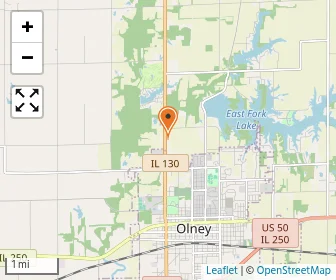
- East Orchard Christian Academy in Olney, IL, serves 130 co–ed students in grades PK through 8 within a rural community setting.
- The school maintains a student–teacher ratio of 8:1 with 16 total teachers supporting its regular elementary and secondary Christian–oriented program.
- Enrollment includes 94 K–12 students, with 4.9% of the student body representing students of color.
- Nearby private schools include St. Joseph School and St. Thomas The Apostle Elementary School, both within approximately 20 miles, providing additional PK–8 options in the Olney area.
School Facts
Student Body
Total Students
130 students
Student Body Type
Co-ed
% Students of Color
5%
State avg.: 34%
Academics & Faculty
Total Classroom Teachers
16 teachers
Student-Teacher Ratio
8:1
National avg.: 11:1
Tuition & Acceptance Rate
Admission Deadline
None / Rolling
Frequently Asked Questions
When is the application deadline for East Orchard Christian Academy?
The application deadline for East Orchard Christian Academy is rolling (applications are reviewed as they are received year-round).
Nearby Private Schools
The nearest high school to East Orchard Christian Academy is Rivet Junior Senior High School (30.6 miles away)
The nearest elementary school and preschool is St. Joseph School (1.8 miles away)
Show me:
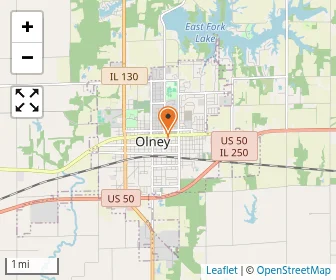
Distance: 1.8 mi
Gr: PK-8 | 245 students
Sports: 3
Catholic
520 E Chestnut Street
Olney, IL 62450
(618) 395-3081
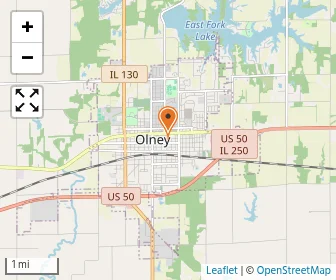
Distance: 1.8 mi
Gr: PK-8 | 247 students
Catholic
220 S Elliott St
Olney, IL 62450
(618) 395-3081
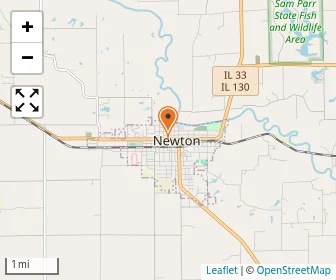
Distance: 16.8 mi
Gr: K-8 | 183 students
Catholic
306 W. Jourdan Street
Newton, IL 62448
(618) 783-3517
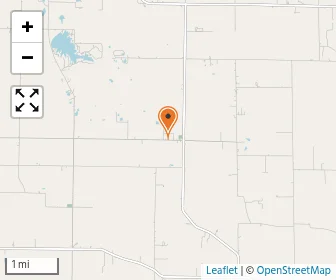
Distance: 22.6 mi
Gr: PK-6 | 24 students
Avg. class size: 10 students
Church of God
6484 Hwy 11
Mount Carmel, IL 62863
(618) 299-8671
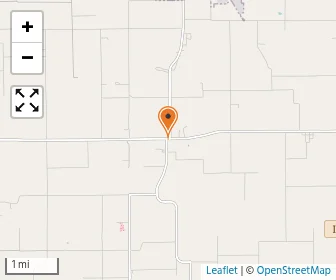
Distance: 23.3 mi
Gr: PK-8 | 123 students
Sports: 3 | Extracurriculars: 4
Christian
10755 E 700th Ave
Robinson, IL 62454
(618) 544-7619
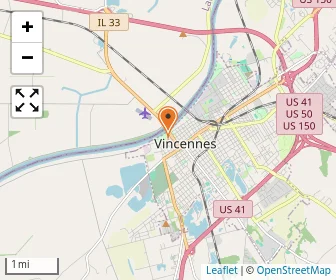
Distance: 30.6 mi
Gr: 6-12 | 164 students
Avg. class size: 16 students
Catholic
210 Barnett St
Vincennes, IN 47591
(812) 882-6215
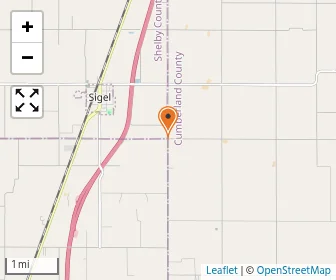
Distance: 37.8 mi
Gr: 9-12 | 200 students
Catholic
304 E Roadway Ave
Effingham, IL 62401
(217) 342-6969
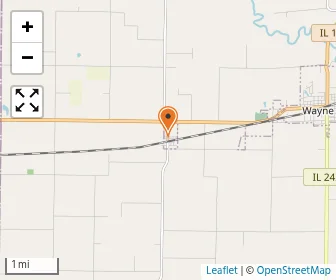
Distance: 41.3 mi
Gr: 1-10 | 59 students
Mennonite
1046 Cty Hwy 13
Keenes, IL 62851
(618) 895-1327
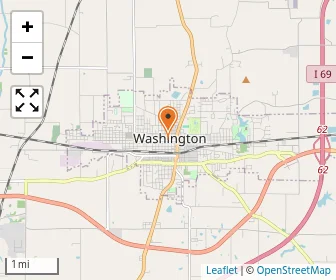
Distance: 50.0 mi
Gr: PK-12 | 306 students
Avg. class size: 15 students
Sports: 6
Catholic
201 Ne 2nd St
Washington, IN 47501
(812) 254-2050
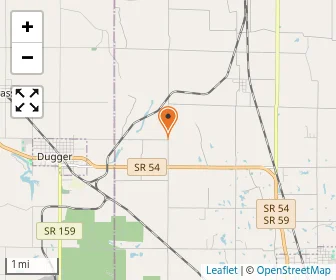
Distance: 51.8 mi
Gr: PK-12 | 16 students
Baptist
1500 West Road
Linton, IN 47441
(812) 847-9413
Distance: 1.8 mi
Gr: PK-8 | 245 students
Sports: 3
Catholic
520 E Chestnut Street
Olney, IL 62450
(618) 395-3081
Distance: 1.8 mi
Gr: PK-8 | 247 students
Catholic
220 S Elliott St
Olney, IL 62450
(618) 395-3081
Distance: 16.8 mi
Gr: K-8 | 183 students
Catholic
306 W. Jourdan Street
Newton, IL 62448
(618) 783-3517
Distance: 22.6 mi
Gr: PK-6 | 24 students
Avg. class size: 10 students
Church of God
6484 Hwy 11
Mount Carmel, IL 62863
(618) 299-8671
Distance: 23.3 mi
Gr: PK-8 | 123 students
Sports: 3 | Extracurriculars: 4
Christian
10755 E 700th Ave
Robinson, IL 62454
(618) 544-7619
Distance: 1.8 mi
Gr: PK-8 | 245 students
Sports: 3
Catholic
520 E Chestnut Street
Olney, IL 62450
(618) 395-3081
Distance: 1.8 mi
Gr: PK-8 | 247 students
Catholic
220 S Elliott St
Olney, IL 62450
(618) 395-3081
Distance: 22.6 mi
Gr: PK-6 | 24 students
Avg. class size: 10 students
Church of God
6484 Hwy 11
Mount Carmel, IL 62863
(618) 299-8671
Distance: 23.3 mi
Gr: PK-8 | 123 students
Sports: 3 | Extracurriculars: 4
Christian
10755 E 700th Ave
Robinson, IL 62454
(618) 544-7619
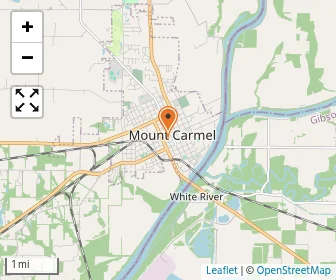
Distance: 29.7 mi
Gr: PK-8 | 129 students
Catholic
417 Chestnut St
Mount Carmel, IL 62863
(618) 263-3183
School
(Math and Reading Proficiency)
(Math and Reading Proficiency)
Location
Miles
Quick Facts
Cisne High School
(Math: ≤20% | Reading: 11-19%)
Rank:
Rank:
4/
Bottom 50%10
1456 Us Highway 45
Cisne, IL 62823
(618) 673-2154
Cisne, IL 62823
(618) 673-2154
8959.6 miles
Gr: 9-12 | 104 students Student-Teacher Ratio: 7:1
Cisne Middle School
(Math: 15-19% | Reading: 25-29%)
Rank:
Rank:
5/
Bottom 50%10
206 Mulberry St
Cisne, IL 62823
(618) 673-2156
Cisne, IL 62823
(618) 673-2156
8959.8 miles
Gr: 5-8 | 115 students Student-Teacher Ratio: 10:1 Minority enrollment: 2%
Clay City Elementary School
(Math: ≤10% | Reading: 20-24%)
Rank:
Rank:
4/
Bottom 50%10
607 South Walnut S. E.
Clay City, IL 62824
(618) 676-1431
Clay City, IL 62824
(618) 676-1431
8963.2 miles
Gr: PK-5 | 125 students Student-Teacher Ratio: 10:1 Minority enrollment: 3%
Clay City High School
(Math: ≤20% | Reading: <50%)
Rank:
Rank:
7/
Top 50%10
607 S Walnut S. E.
Clay City, IL 62824
(618) 676-1431
Clay City, IL 62824
(618) 676-1431
8963.3 miles
Gr: 9-12 | 68 students Student-Teacher Ratio: 9:1 Minority enrollment: 1%
Clay City Jr High School
(Math: ≤5% | Reading: ≤10%)
Rank:
Rank:
1/
Bottom 50%10
607 S Walnut S. E.
Clay City, IL 62824
(618) 676-1431
Clay City, IL 62824
(618) 676-1431
8963.3 miles
Gr: 6-8 | 60 students Student-Teacher Ratio: 10:1
Recent Articles

Will This Curriculum Still Matter in 2035?
Learn how to evaluate future-ready private school curricula for 2035, focusing on durable knowledge, critical thinking, AI literacy, adaptability, communication, creativity, and real-world learning before choosing a school.

Private Schools for Creators, Trades & Startups
Explore how private schools support non-traditional career paths in creative industries, skilled trades, and entrepreneurship, plus what families should evaluate when choosing specialized programs for future-ready students today.

First 90 Days at Private School: Parent Guide
Learn how to read your child’s first 90 days at private school, distinguish healthy adjustment from genuine struggles, and know when academic, social, or emotional concerns require action.