About the School
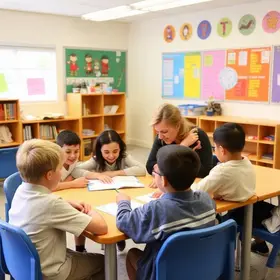
- Post Falls Christian Academy in Post Falls, ID, serves 256 students from kindergarten through 12th grade in a Christian–affiliated, co–ed private school setting.
- The school maintains a student–teacher ratio of 10:1 with 26 teachers on staff, supporting individualized instruction across all grade levels.
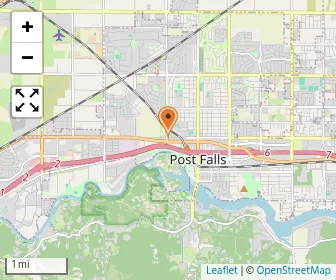
- Located in an urban/large town area, Post Falls Christian Academy offers education aligned with Christian values and is a member of The Association of Boarding Schools (TABS).
- Student diversity includes a 1.52% representation of students of color, reflecting the demographics of the local community.
- Tuition and financial specifics are not listed, but the school operates alongside several other private K–12 options in Post Falls, including Genesis Preparatory Academy and Immaculate Conception Academy.
School Facts
Student Body
Total Students
256 students
Student Body Type
Co-ed
% Students of Color
2%
State avg.: 15%
Academic Profile
Total Classroom Teachers
26 teachers
Student-Teacher Ratio
10:1
National avg.: 11:1
Tuition & Financial Aid
Admission Deadline
None / Rolling
Frequently Asked Questions
When is the application deadline for Post Falls Christian Academy?
The application deadline for Post Falls Christian Academy is rolling (applications are reviewed as they are received year-round).
Nearby Private Schools
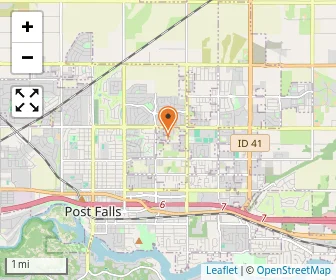
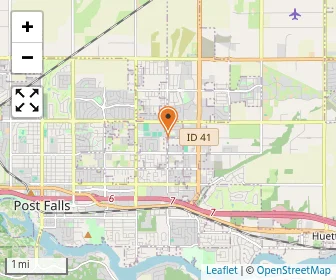
The nearest high school, elementary school and preschool to Post Falls Christian Academy is Genesis Preparatory Academy (0.8 miles away)
Show me:
Distance: 0.8 mi
Gr: PK-12 | 501 students
Christian
1866 N Cecil Rd Bldg 2
Post Falls, ID 83854
(208) 691-0712
Distance: 0.9 mi
Gr: PK-12 | 567 students
Christian
1866 N Cecil Rd
Post Falls, ID 83854
(208) 691-0712
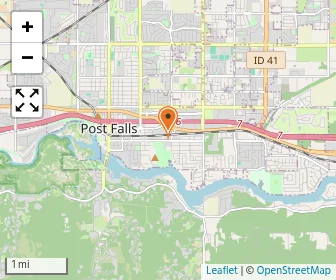
Distance: 1.3 mi
Gr: K-8 | 198 students
Avg. class size: 22 students
Montessori School
1301 E 3rd Ave
Post Falls, ID 83854
(208) 777-1600
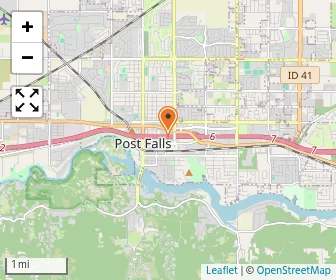
Distance: 1.3 mi
Gr: K-12 | 176 students
Sports: 4 | Extracurriculars: 4
All-boys (Catholic)
495 Lincoln St
Post Falls, ID 83854
(208) 773-2312

Distance: 1.5 mi
Gr: PK-K | 89 students
Montessori School
3755 E Covington Ave
Post Falls, ID 83854
(208) 777-1600
Distance: 0.8 mi
Gr: PK-12 | 501 students
Christian
1866 N Cecil Rd Bldg 2
Post Falls, ID 83854
(208) 691-0712
Distance: 0.9 mi
Gr: PK-12 | 567 students
Christian
1866 N Cecil Rd
Post Falls, ID 83854
(208) 691-0712
Distance: 1.3 mi
Gr: K-12 | 176 students
Sports: 4 | Extracurriculars: 4
All-boys (Catholic)
495 Lincoln St
Post Falls, ID 83854
(208) 773-2312
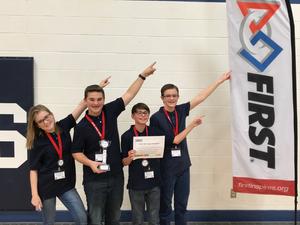
Distance: 4.2 mi
Gr: PK-12 | 239 students
Avg. class size: 20 students
Sports: 5 | Extracurriculars: 9
3639 W Prairie Ave
Hayden, ID 83835
(208) 772-7542
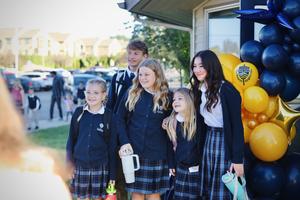
Distance: 5.4 mi
Gr: PK-12 | 167 students
Avg. class size: 12 students
Sports: 4
Specialized Curriculum (Christian)
4810 N. Ramsey Road
Coeur D Alene, ID 83815
(208) 777-4400
Distance: 0.8 mi
Gr: PK-12 | 501 students
Christian
1866 N Cecil Rd Bldg 2
Post Falls, ID 83854
(208) 691-0712
Distance: 0.9 mi
Gr: PK-12 | 567 students
Christian
1866 N Cecil Rd
Post Falls, ID 83854
(208) 691-0712
Distance: 1.3 mi
Gr: K-8 | 198 students
Avg. class size: 22 students
Montessori School
1301 E 3rd Ave
Post Falls, ID 83854
(208) 777-1600
Distance: 1.3 mi
Gr: K-12 | 176 students
Sports: 4 | Extracurriculars: 4
All-boys (Catholic)
495 Lincoln St
Post Falls, ID 83854
(208) 773-2312
Distance: 1.9 mi
Gr: PK-7 | 200 students
Avg. class size: 16 students
Christian
810 N. Chase Rd
Post Falls, ID 83854
(208) 773-5200
Distance: 0.8 mi
Gr: PK-12 | 501 students
Christian
1866 N Cecil Rd Bldg 2
Post Falls, ID 83854
(208) 691-0712
Distance: 0.9 mi
Gr: PK-12 | 567 students
Christian
1866 N Cecil Rd
Post Falls, ID 83854
(208) 691-0712
Distance: 1.5 mi
Gr: PK-K | 89 students
Montessori School
3755 E Covington Ave
Post Falls, ID 83854
(208) 777-1600
Distance: 1.9 mi
Gr: PK-7 | 200 students
Avg. class size: 16 students
Christian
810 N. Chase Rd
Post Falls, ID 83854
(208) 773-5200
Distance: 4.2 mi
Gr: PK-12 | 239 students
Avg. class size: 20 students
Sports: 5 | Extracurriculars: 9
3639 W Prairie Ave
Hayden, ID 83835
(208) 772-7542
School
(Math and Reading Proficiency)
(Math and Reading Proficiency)
Location
Miles
Quick Facts
Prairie View Elementary School
(Math: 53% | Reading: 52%)
Rank:
Rank:
7/
Top 50%10
2478 East Poleline Road
Post Falls, ID 83854
(208) 773-8327
Post Falls, ID 83854
(208) 773-8327
0.4 miles
Gr: K-5 | 349 students Student-Teacher Ratio: 19:1 Minority enrollment: 12%
Post Falls High School
(Math: 40% | Reading: 55%)
Rank:
Rank:
6/
Top 50%10
2832 East Poleline Road
Post Falls, ID 83877
(208) 773-0581
Post Falls, ID 83877
(208) 773-0581
0.6 miles
Gr: 9-12 | 1,601 students Student-Teacher Ratio: 23:1 Minority enrollment: 12%
River City Middle School
(Math: 39% | Reading: 55%)
Rank:
Rank:
6/
Top 50%10
1505 North Fir Street
Post Falls, ID 83877
(208) 457-0933
Post Falls, ID 83877
(208) 457-0933
0.6 miles
Gr: 6-8 | 550 students Student-Teacher Ratio: 19:1 Minority enrollment: 11%
Greensferry Elementary School
(Math: 67% | Reading: 75-79%)
Rank:
Rank:
10/
Top 5%10
1520 North Bunting Lane
Post Falls, ID 83854
(208) 777-0999
Post Falls, ID 83854
(208) 777-0999
0.7 miles
Gr: PK-5 | 406 students Student-Teacher Ratio: 20:1 Minority enrollment: 8%
Post Falls Middle School
(Math: 45% | Reading: 54%)
Rank:
Rank:
6/
Top 50%10
301 East 16th Avenue
Post Falls, ID 83877
(208) 773-7554
Post Falls, ID 83877
(208) 773-7554
1 miles
Gr: 6-8 | 746 students Student-Teacher Ratio: 18:1 Minority enrollment: 14%
Recent Articles

Private School Tuition Insurance: Is It Worth Buying?
Is private school tuition insurance worth buying? Learn what policies cover, compare costs and exclusions, and decide whether protecting your tuition investment makes financial sense for your family.

Medical Leave and Private School Tuition: Parent Guide
What happens to private school tuition during medical leave? Learn about refunds, tuition insurance, enrollment contracts, financial aid, and protecting your child's education while managing unexpected medical expenses and recovery.

Private School Commute: Is the Travel Time Worth It?
Is the commute to private school worth it? Learn how to calculate travel time, protect family routines, assess student well-being, and decide whether a longer journey makes educational sense.