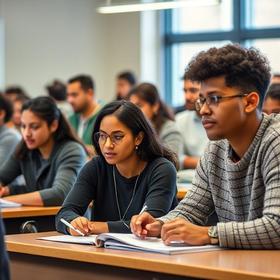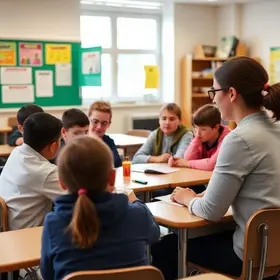
For many families, one of the primary reasons for choosing a private high school is college preparation. In 2026, that preparation extends far beyond strong grades and SAT scores. Today’s leading private schools emphasize individualized advising, advanced coursework, leadership development, wellness support, and real-world experiences that help students transition successfully to higher education.
While outcomes vary by institution, many private schools continue to invest heavily in college counseling offices, academic enrichment, and long-term planning programs that begin well before senior year. Families evaluating schools increasingly want to know not only where graduates attend college, but also how well students are prepared to thrive once they arrive.
As discussed in Can Private School Help with College Admissions?, private schools often provide advantages in counseling access, academic rigor, and extracurricular opportunities that can strengthen a student’s college application and overall readiness.
What College Preparation Means in 2026
The definition of college readiness has evolved significantly over the past decade. Colleges increasingly evaluate applicants through a holistic lens that includes:
- Academic rigor
- Writing and communication skills
- Leadership experience
- Community involvement
- Independent thinking
- Emotional resilience
- Career exploration
- Demonstrated interests
As a result, many private schools have expanded their approach to preparation beyond traditional admissions metrics.
Modern college-preparatory programs often include:
| Area of Preparation | Common Private School Offerings |
|---|---|
| Academic readiness | AP, IB, honors, dual-enrollment courses |
| College counseling | Dedicated counselors and individualized planning |
| Skill development | Writing centers, research seminars, public speaking |
| Career readiness | Internships, entrepreneurship programs, STEM labs |
| Student wellness | Mental health support and transition counseling |
| Experiential learning | Travel programs, service learning, capstone projects |
Dedicated College Counseling Offices
One of the clearest distinctions between many private and public schools remains counselor availability.
According to the National Association for College Admission Counseling, private schools are substantially more likely to employ counselors focused specifically on postsecondary advising. Smaller counselor-to-student ratios can allow for more individualized attention during the application process.
Private school counseling programs frequently help students:
- Build balanced college lists
- Identify academic and extracurricular strengths
- Prepare essays and interviews
- Navigate financial aid discussions
- Evaluate college fit rather than prestige alone
- Understand changing admissions trends
Many schools now begin structured advising in ninth or tenth grade instead of waiting until senior year.
Families interested in understanding how these programs operate can also review College Counseling in Private High Schools, which examines the advising process in greater detail.
Advanced Coursework and Academic Rigor
Academic rigor remains one of the most important factors in college admissions decisions. Selective universities increasingly expect students to pursue the strongest curriculum reasonably available to them.
Many private schools offer extensive advanced coursework options, including:
- Advanced Placement (AP)
- International Baccalaureate (IB)
- Honors programs
- Dual-enrollment partnerships
- Independent research seminars
The College Board continues to report strong participation in AP coursework nationwide, while private schools increasingly supplement traditional AP offerings with interdisciplinary and project-based learning experiences.
In 2026, many college-preparatory schools are also incorporating emerging fields such as:
- Artificial intelligence and machine learning
- Data science
- Biotechnology
- Environmental sustainability
- Entrepreneurship
- Global policy studies
As highlighted in Advanced Coursework in Private High Schools: 2025 Guide, families should evaluate not only the number of advanced courses available, but also the level of instructional support students receive.
Focus on Writing, Research, and Communication
Colleges consistently report that strong writing and analytical thinking skills remain essential for student success.
Many private schools place heavy emphasis on:
- Seminar-style discussion
- Research projects
- Thesis writing
- Oral presentations
- Debate and public speaking
- Interdisciplinary analysis
Smaller class sizes often allow teachers to provide more detailed feedback on writing and communication skills throughout high school.
This emphasis can help students transition more effectively to college-level expectations, particularly in humanities and social science courses where independent analysis is critical.
Extracurricular Depth Matters More Than Ever
Selective colleges increasingly value sustained commitment and meaningful involvement over participation in numerous disconnected activities.
Private schools often encourage students to pursue deeper engagement in areas such as:
- Athletics
- Performing arts
- Robotics
- Academic competitions
- Student government
- Community service
- Research programs
- Entrepreneurship initiatives
Many schools now help students connect extracurricular interests to long-term academic or career goals.
For example, a student interested in environmental science may combine advanced biology coursework with sustainability clubs, internships, and independent research opportunities. This integrated approach can create a more compelling and authentic college application narrative.
Career Exploration and Internship Opportunities
Another major shift in college preparation involves career readiness.
Families increasingly expect schools to help students explore future professions before graduation. In response, many private schools have expanded:
- Internship programs
- Alumni mentorship networks
- Career shadowing
- Industry partnerships
- Innovation labs
- Startup incubators
These experiences can help students clarify academic interests before choosing a college major.
The growing importance of career-focused preparation is explored further in Career Pathways & Workforce Readiness 2026.
Wellness and College Transition Support
Academic success alone does not guarantee a smooth transition to college life.
In recent years, private schools have placed greater emphasis on:
- Time management
- Executive functioning
- Stress management
- Emotional resilience
- Digital balance
- Independent living skills
This reflects broader national concerns about student mental health. According to the American College Health Association, colleges continue to report rising demand for mental health services among undergraduate students.
Some private schools now integrate wellness education directly into advisory programs and college counseling initiatives to help students develop sustainable habits before graduation.
Questions Families Should Ask
When evaluating a private school’s college-preparation program, families should look beyond published matriculation lists.
Important questions include:
- What is the counselor-to-student ratio?
- When does college advising begin?
- How many advanced courses are available?
- Are internships or research opportunities offered?
- How does the school support student wellness?
- What colleges do graduates typically attend and persist through?
- How individualized is the counseling process?
- Does the school emphasize fit as well as selectivity?
Families should also ask how schools adapt to changing admissions trends, including test-optional policies, AI-related academic concerns, and evolving expectations around extracurricular involvement.
College Preparation Is About More Than Admissions
The strongest private schools recognize that college preparation is not simply about gaining admission to a prestigious university. It is about helping students become capable, independent, intellectually curious young adults who are prepared to succeed after enrollment.
In 2026, effective college preparation at private schools combines rigorous academics, individualized counseling, experiential learning, and emotional support. For many students, that comprehensive approach can provide a meaningful foundation for both higher education and long-term personal growth.