


Updated
|
Inside the Daily Life of a Private School Student
Discover what daily life is like for private school students in 2025, from classes and athletics to dining, dorms, and extracurriculars.

Inside the Daily Life of a Private School Student

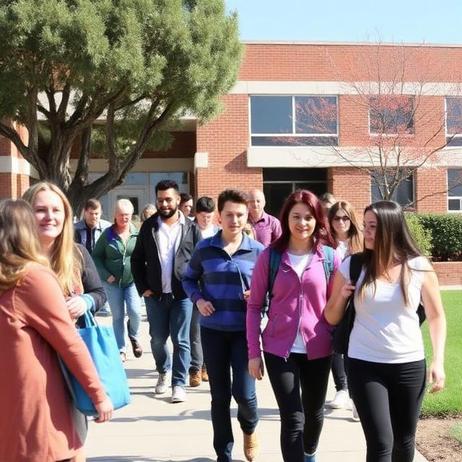
Private schools are often admired for their rigorous academics, strong community values, and well-rounded student experiences. Yet for parents and prospective students, understanding what daily life looks like inside a private school is just as important as reviewing tuition, rankings, or admissions.

What is a typical day like for a private school student in 2025? While routines vary by institution, most private schools share a carefully structured balance of academics, extracurriculars, community, and downtime. This balance not only prepares students for college but also fosters resilience, leadership, and independence.

Morning Routines: Structured and Purposeful

Private school students usually start their mornings earlier than their peers in public schools. Depending on whether a school is day-only or includes boarding students, the day begins with one of the following:

  • Dorm wake-up and breakfast (boarding schools): Students rise around 6:30–7:00 a.m., head to the dining hall for breakfast, and prepare for classes.

  • Morning commute (day schools): Students may carpool, take school-arranged buses, or drive themselves to campus.

Most schools begin classes around 8:00 a.m., often with advisory meetings, chapel, or homeroom check-ins that center students for the day. These structured starts reinforce a sense of community and accountability.

Academic Blocks: Rigor With Flexibility

Private schools are widely known for their small class sizes and strong academic expectations. A typical class

. . .read more

Can Private School Help with College Admissions?

Updated
|
Can Private School Help with College Admissions?
Explore how private schools influence college admissions—advantages, limitations, and what families should expect.

Introduction

For many families weighing the cost of a private education, one of the central justifications is whether a private school can meaningfully enhance a student’s chances in college admissions. Is the premium paid solely for prestige, or does private schooling truly confer an advantage in navigating the competitive landscape of higher education? As of 2025, with intensifying competition, rising application volumes, and evolving admissions policies, this question is more pressing than ever.

In this article, we examine how and when private schooling may help with college admission, what limitations and caveats exist, and how families can make informed decisions.

What Does “Help” Mean in College Admissions?

When we say a private school helps with college admission, we refer to enhancements in:

  1. Academic readiness – ensuring students take rigorous courses, maintain high grades, and sit for standardized tests.

  2. Advising and support infrastructure – from college counseling to mentoring and application coaching.

  3. Access, exposure, and networks – connections with admissions offices, alumni, internships, and extracurricular opportunities.

  4. Signaling effect – how admissions offices perceive the reputation or selectivity of a student’s high school.

Each of these dimensions can contribute in different ways and to varying degrees, depending on the school, student, and college in question.

Evidence for Private School Advantages

Lower Counselor-to-Student Ratios & Focused Advising

A

. . .read more

What Private School Alumni Say a Decade Later

Updated
|
What Private School Alumni Say a Decade Later
Ten years after graduation, private school alumni reflect on advantages, regrets, career impact, and life lessons—unearthing truths families need to know.

What Do Private School Alumni Say 10 Years Later?

A decade after crossing the stage at graduation, many alumni pause and ask: Was it worth it? What impact did private schooling have on my life, my earnings, my identity? In 2025, parents, students, and educators still grapple with that question. This article examines recurring themes in alumni reflections, explores empirical research, and highlights what alumni wish they had known earlier.

The Persistent Perceived Value: Advantage, Confidence, and Networks

Among the most consistent observations from alumni is that a private school education tends to open doors—especially early in one’s career. Alumni frequently cite:

  • Opportunities: Access to rigorous coursework, extracurriculars, internships, and study abroad were formative.

  • Confidence and expectation: Being in a performance-driven environment fosters ambition.

  • Networks: Lifelong relationships with peers, alumni, and faculty often confer social capital later.

These subjective reflections align with broader data. A Gallup–NAIS study reports that graduates of independent schools progress more steadily through college and leverage key undergraduate experiences more often than peers from other schools (NAIS–Gallup Report).

In the UK, recent data also suggests that many of the most powerful positions—such as senior media, judiciary, and political roles—continue to be held disproportionately by those with private school backgrounds (The Guardian).

Earnings, Careers & Life Paths: What Played Out?

Earnings and career mobility

. . .read more

How Private Schools Support Students with Learning Differences

Updated
|
How Private Schools Support Students with Learning Differences
Explore how private schools today support students with learning differences through specialized programs, expert staff, and evidence-based practices.

How Private Schools Support Students with Learning Differences

Private schools increasingly recognize that “one size fits all” instruction leaves many learners behind. Students with dyslexia, ADHD, dysgraphia, executive function challenges, or other learning differences need tailored support structures. In 2025, many private schools are adopting research-based practices, flexible resourcing, and inclusive policies that help students with learning differences not only survive, but thrive.

Why private schools can excel at supporting learning differences

Private schools often have structural advantages in delivering individualized support:

  • Smaller class sizes and lower student-teacher ratios, which allow for more personalized instruction.

  • Greater flexibility in curriculum and scheduling, enabling schools to adapt programming to student needs.

  • Independent governance, giving schools agility to adopt specialized models quickly.

  • Access to additional resources, such as specialists, assistive technology, and training budgets.

These strengths provide a strong foundation, but impact depends on how intentionally a school designs its learning support system.

Core Elements of Effective Support

1.Early identification and assessment

Many private schools partner with educational psychologists or specialists to assess students and create Individualized Support Plans (ISPs). These guide instruction and track progress with measurable goals.

2. Structured, evidence-based instruction

Leading schools adopt instructional models grounded in research. Structured literacy programs, such as Orton-Gillingham, remain the gold standard for dyslexia. The Association of LD

. . .read more

Private School Scholarships & Aid Options for Low-Income Students in 2025

Updated
|
Private School Scholarships & Aid Options for Low-Income Students in 2025
Discover hidden private school scholarship and financial aid programs in 2025 for low-income or underrepresented students, with real examples and tips.

Private School Scholarship & Financial Aid Options: Hidden Programs for Low-Income or Underrepresented Students in 2025

Affording private school can feel out of reach for many families, especially those from low-income or underrepresented communities. But in 2025, there are more hidden and lesser-known scholarship and financial-aid options than ever before — state programs, nonprofit initiatives, and private school mechanisms designed to help students who historically have had the least access. This article explores what those programs look like, where to find them, how eligibility generally works, and best strategies for applying.

Why Hidden Programs Matter

Many private schools offer financial aid, but much of it is under-advertised or simply difficult to navigate. Hidden scholarship programs can offer:

  • Substantial relief for families that exceed traditional poverty thresholds but still find private school unaffordable.

  • Aid for specific populations (e.g. students of color, those with unique learning needs, military families).

  • More flexible models (portable scholarships, vouchers, education savings accounts) that allow choosing schools rather than being tied to one institution.

As states and nonprofits expand school choice, tax-advantaged programs, and grants, awareness is the biggest barrier. The more parents, students, and educators know, the better.

Key Types of Financial Aid & Scholarship Programs in 2025

Here are the major categories of aid options for low-income or underrepresented students aiming at private schools:

TypeWhat It IsExamples & Updates in 2025Who It Typically Helps
State‐level Voucher / Choice ProgramsState programs or education savings accounts (ESAs) give families public funds or tax credits to
. . .read more

Recent Articles

Comparing Day, Boarding & Hybrid Private Schools in 2026
Explore how day, boarding, and hybrid private schools compare in 2026 to find the best fit for your child’s academics, lifestyle, and goals.
Scholarships and Financial Aid Options for 2026 Entry
A complete guide to scholarships, bursaries, and financial aid for 2026 entry, including eligibility, timelines, and expert advice.
Private School Jobs in 2025: Trends, Salaries and Career Insights
Explore private school jobs in 2025 with updated hiring trends, salary data, demand areas and career guidance for educators and policymakers.