


Updated
|
Why Extracurricular Activities Matter in 2025
Explore why extracurricular activities remain essential in 2025 — academic gains, social growth, equity, and real-world readiness explained.

Extracurricular Activities: Why They Are So Important (Updated for 2025)

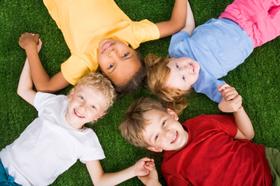
Extracurricular activities—those experiences beyond the standard curriculum—remain indispensable in modern schooling. For parents, educators, and students navigating today’s educational landscape, the question is not whether extracurriculars matter but how best to integrate them. This 2025 update retains the structure of our original piece but reflects the latest data, policy shifts, and research insights.

The Evolving Landscape (2025 Context)

As of 2024–25, approximately 85 percent of U.S. public K–12 schools offer after-school programs, with 60 percent including academically focused components. Yet only an estimated 13 percent of all K–12 students participate in those academically oriented offerings. Meanwhile, 78 percent of public schools provided summer programming in 2023 designed to help students academically, and about 15 percent of all students engaged in those programs.

Beyond the U.S., global and national policies increasingly emphasize holistic education. In many countries, governments now mandate student clubs or “co-curricular activities” as part of formal schooling, aligning with frameworks like the 2030 Sustainable Development Goals and the growing emphasis on "21st-century skills." (For example, some Indian states will require student clubs in all schools by 2025.)

These shifts reflect a growing consensus: in a world of rapid social, technological, and workforce change, schools must do more than deliver core academics. They must cultivate well-rounded citizens, leaders, and innovators.

Why Extracurriculars Still Matter — with New Evidence

. . .read more

For-Profit vs Not-For-Profit Private Schools: What Parents Should Know

Updated
|
For-Profit vs Not-For-Profit Private Schools: What Parents Should Know
Explore the differences between for-profit and not-for-profit private schools, key trade-offs, and how to assess quality in 2025.

For-Profit vs Not-For-Profit Private Schools: What Parents Should Know

When parents explore private schooling options for their children, one of the less visible—but deeply consequential—distinctions is the school’s profit status. A private school may operate as a for-profit enterprise or as a not-for-profit (nonprofit) institution. While the label alone doesn’t guarantee quality (or its absence), it does influence a school’s incentives, finances, governance, and accountability.

In 2025, understanding the implications of this distinction is more important than ever. As education markets evolve, hybrid models emerge, and philanthropic and impact-investment funds enter the sector, savvy families and educators must look past branding and examine substance. This article clarifies the differences, weighs advantages and risks, and suggests how to evaluate private schools—whether for-profit or nonprofit.

Terminology and Legal Foundations What does “for-profit” and “not-for-profit” mean in private education?

  • A for-profit private school is an educational institution organized so that profits (after covering costs) may be distributed to owners, shareholders, or investors. The school is run like a business, and financial return is a legitimate objective. (Private School Review)

  • A not-for-profit (nonprofit) private school is organized under a structure (such as 501(c)(3) in the U.S.) that prohibits the distribution of profits to individuals; rather, any surplus must be reinvested into the school’s mission—facilities, scholarships, faculty, programming, or endowment.

In practice, many traditional independent and parochial private schools are nonprofit, relying on

. . .read more

10 Misconceptions About Private Schools in 2025

Updated
|
10 Misconceptions About Private Schools in 2025
Explore and debunk 10 common misconceptions about private schools in 2025. Learn the facts parents need when considering private education.

10 Misconceptions About Private Schools in 2025

Private schools continue to be a subject of debate in the U.S., often surrounded by myths that can mislead families considering this educational path. As of 2025, more than 5 million students are enrolled in private schools nationwide, representing about 9% of all K–12 students. Yet misconceptions persist, from cost to diversity to academic rigor. Understanding the reality behind these assumptions is essential for parents making one of the most important decisions about their child’s education.

This article explores 10 of the most common misconceptions about private schools—and the facts that counter them.

1. Private Schools Are Only for the Wealthy

Perhaps the most persistent myth is that private schools are exclusively for affluent families. While tuition can be high, financial aid is more widespread than many realize. According to the National Association of Independent Schools (NAIS), nearly 29% of private school students receive need-based financial aid. Many schools also offer merit scholarships and flexible payment plans.

Parents are often surprised to learn that smaller private institutions and faith-based schools may charge tuition comparable to or lower than the cost of many child-care programs or extracurricular activities. The landscape is far more accessible than the stereotype suggests.

2. Private Schools Lack Diversity

Another misconception is that private schools are homogeneous, catering primarily to one demographic. In reality, diversity in private schools has grown significantly. A 2023 NAIS report highlighted that

. . .read more

Private Schools: 10 Key Challenges for Families

Updated
|
Private Schools: 10 Key Challenges for Families
Explore the top 10 challenges families face in private schools in 2025, from affordability to admissions, with expert insights and strategies.

Private Schools: 10 Challenges You Will Face

Private schools in the United States continue to attract families who want rigorous academics, small class sizes, and strong extracurricular programs. According to the National Center for Education Statistics, more than 4.7 million students are currently enrolled in private elementary and secondary schools nationwide. While the advantages are significant, choosing a private school also comes with challenges that parents must anticipate and plan for.

In 2025, affordability, competition, and shifting educational priorities make the private school landscape both rewarding and complex. Here are the 10 most important challenges you will face—and how to navigate them successfully.

1. The Cost of Tuition

The most pressing concern for most families remains tuition. Private school tuition can range from $10,000 per year at a parish-affiliated elementary school to more than $65,000 annually at elite boarding schools.

Additional expenses, such as books, technology fees, uniforms, extracurriculars, and travel for boarding students, can raise total costs significantly. Even schools with strong financial aid programs cannot fully offset the financial strain for many middle-income families.

Tip for parents: Compare the full “all-in” cost, not just tuition. Many schools offer need-based aid, sibling discounts, or merit scholarships. Families should also research 529 savings plans, which, since 2018, allow up to $10,000 annually to be used for K–12 tuition (IRS Guidance).

2. The Competitive Admissions Process

Admissions to top private schools can feel

. . .read more

Inside the Daily Life of a Private School Student

Updated
|
Inside the Daily Life of a Private School Student
Discover what daily life is like for private school students in 2025, from classes and athletics to dining, dorms, and extracurriculars.

Inside the Daily Life of a Private School Student

Private schools are often admired for their rigorous academics, strong community values, and well-rounded student experiences. Yet for parents and prospective students, understanding what daily life looks like inside a private school is just as important as reviewing tuition, rankings, or admissions.

What is a typical day like for a private school student in 2025? While routines vary by institution, most private schools share a carefully structured balance of academics, extracurriculars, community, and downtime. This balance not only prepares students for college but also fosters resilience, leadership, and independence.

Morning Routines: Structured and Purposeful

Private school students usually start their mornings earlier than their peers in public schools. Depending on whether a school is day-only or includes boarding students, the day begins with one of the following:

  • Dorm wake-up and breakfast (boarding schools): Students rise around 6:30–7:00 a.m., head to the dining hall for breakfast, and prepare for classes.

  • Morning commute (day schools): Students may carpool, take school-arranged buses, or drive themselves to campus.

Most schools begin classes around 8:00 a.m., often with advisory meetings, chapel, or homeroom check-ins that center students for the day. These structured starts reinforce a sense of community and accountability.

Academic Blocks: Rigor With Flexibility

Private schools are widely known for their small class sizes and strong academic expectations. A typical class

. . .read more

Recent Articles

A Parent’s Guide to 2026 High School Teaching Methods
Explore 2026 high school teaching methods, from AI integration to project-based learning, and what they mean for your teen’s success.
10 Misconceptions About Private Schools in 2026
Discover the top misconceptions about private schools in 2026, including cost, diversity, academics, and admissions realities.
Private Schools & Sustainability in 2026
Explore how private schools are advancing sustainability in 2026 through green campuses, eco-curriculum, and climate leadership initiatives.