


Updated
|
Private School Closures and Consolidations: Warning Signs to Watch
Learn the financial, enrollment, and leadership warning signs that may indicate a private school is at risk of closure or consolidation, and how families can prepare.

Few parents enroll their child expecting the school to close before graduation. Yet in recent years, a combination of demographic shifts, rising operating costs, inflation, and changing enrollment patterns has forced some private schools to merge with neighboring institutions or cease operations altogether. While closures remain relatively uncommon, they can disrupt a student's education and create unexpected financial and emotional challenges for families.

Fortunately, most schools do not close without warning. In many cases, subtle indicators appear months or even years before a major announcement. Understanding these warning signs can help parents make more informed enrollment decisions and ask thoughtful questions during the admissions process.

According to the National Association of Independent Schools (NAIS), independent schools continue to face evolving financial and demographic pressures that require careful long-term planning. At the same time, data from the National Center for Education Statistics (NCES) show that enrollment patterns continue to shift across both public and private education, influencing how schools plan for the future.

Why Schools Close or Consolidate

Private schools operate very differently from public school districts. Most depend heavily on tuition revenue, charitable giving, and careful financial management to maintain their programs and facilities. Unlike public schools, they generally do not receive the same level of ongoing taxpayer support.

When enrollment declines over several years or operating expenses rise faster than revenue, school leaders may begin exploring options such as mergers, shared services, campus consolidations, or, in some cases, closure. These decisions

. . .read more

AI Tutoring in Private Schools: Innovation or Risk?

Updated
|
AI Tutoring in Private Schools: Innovation or Risk?
Discover how AI tutoring is changing private education, the benefits and risks for students, and what parents should ask before enrolling.

Artificial intelligence is transforming education at a remarkable pace, and one of its fastest-growing applications is AI-powered tutoring. From personalized math instruction to instant writing feedback, these tools promise to give students individualized support whenever they need it. As more private schools incorporate AI into their academic programs, parents are beginning to ask an important question: Does AI tutoring improve learning, or does it introduce new risks?

The answer is not as simple as choosing between technology and traditional teaching. The most successful private schools are using AI tutoring as a supplement rather than a substitute for experienced educators. When thoughtfully implemented, AI can reinforce classroom instruction, identify learning gaps, and provide students with additional practice. However, concerns surrounding data privacy, academic integrity, and overreliance on technology remain significant considerations for families.

According to the International Society for Technology in Education (ISTE), artificial intelligence should enhance teaching and learning while keeping educators at the center of the educational experience. Similarly, the U.S. Department of Education has emphasized that schools should adopt AI responsibly, ensuring that technology supports educational goals without compromising student privacy or equity.

What Is AI Tutoring?

Unlike traditional online learning platforms that simply present digital lessons, AI tutoring systems adapt to each student's performance in real time. As students answer questions or complete assignments, the software analyzes their progress and adjusts future instruction based on individual strengths and weaknesses.

For example, a student struggling with algebra may receive additional

. . .read more

What New Cell Phone Laws Mean for Private School Families

Updated
|
What New Cell Phone Laws Mean for Private School Families
Learn how new cell phone laws are affecting private schools, what parents should expect, and how to evaluate school technology policies in 2026.

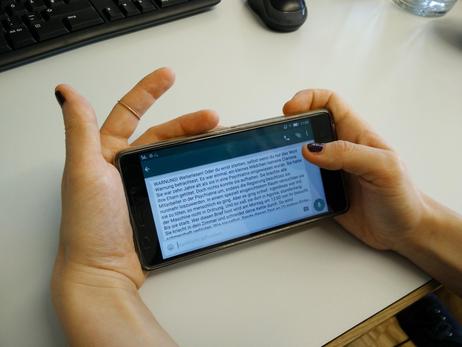
Cell phones have become one of the most debated issues in American education. Over the past two years, lawmakers in dozens of states have introduced legislation aimed at limiting or prohibiting student smartphone use during the school day. While many of these laws apply specifically to public schools, they are also influencing conversations at private schools, where administrators have long wrestled with balancing technology's educational benefits against its potential distractions.

For families considering private education, these changes raise important questions. Will new state laws affect independent schools? How are private schools responding? And what should parents look for when evaluating a school's technology policies?

The answers vary by state and by institution, but one trend is clear: many private schools are taking a more intentional approach to student technology use. Rather than reacting solely to legislation, they are developing policies that reflect their educational philosophy, emphasizing academic engagement, student well-being, and meaningful interpersonal relationships.

According to Education Week, an increasing number of schools across the country have adopted restrictions on student cell phone use as educators seek to improve classroom focus and reduce distractions. At the same time, researchers continue to study how constant smartphone access affects learning, attention, and adolescent mental health.

For families interested in broader national education trends, the National Center for Education Statistics (NCES) provides extensive data on both public and private schools, including enrollment, technology use, and student demographics. While state laws continue to evolve, these national

. . .read more

How to Ask About Staff Screening Without Apologizing

Updated
|
How to Ask About Staff Screening Without Apologizing
Parents should feel comfortable asking how private schools screen employees. Learn which questions matter, what answers to expect, and why transparency about hiring and student safety is a hallmark of a well-managed school.

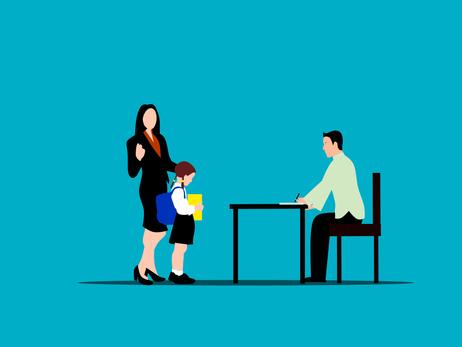
Few parents hesitate to ask about academics, tuition, or extracurricular programs during a private school tour. Yet many become noticeably uncomfortable when the conversation turns to employee background checks and staff screening. Some worry they'll appear distrustful, while others fear offending admissions staff by asking sensitive questions.

In reality, responsible schools expect these conversations.

Student safety is one of a school's most important responsibilities, and reputable private schools understand that parents want to know how teachers, coaches, administrators, and volunteers are selected before they are entrusted with children. Asking thoughtful questions about hiring practices is not an accusation. It is simply part of making an informed educational decision.

The most effective conversations are respectful, direct, and focused on understanding the school's policies rather than questioning individual employees.

Why Staff Screening Matters

Schools are communities built on trust. Every adult who interacts with students contributes to the educational environment, whether they are classroom teachers, coaches, counselors, maintenance personnel, or volunteers.

Most private schools devote significant time and resources to recruiting qualified employees. Background investigations, reference checks, employment verification, and ongoing professional expectations help schools reduce risk while creating a safe environment for learning.

Parents should view staff screening as one element of a broader culture of accountability rather than a single hiring requirement.

Families evaluating schools may also find 15 Questions Smart Parents Ask Before Tuition helpful when preparing for campus visits and admissions conversations.

Remember That Good Schools Welcome Good Questions

Parents sometimes apologize before asking

. . .read more

What Facility Safety Tells You About School Oversight

Updated
|
What Facility Safety Tells You About School Oversight
A school's facilities reveal far more than appearance. Learn how building maintenance, emergency preparedness, and campus safety practices can help parents evaluate school leadership, oversight, and long-term commitment to student well-being.

When parents tour a private school, it's easy to be impressed by beautiful campuses, modern classrooms, and attractive athletic facilities. Fresh paint, landscaped grounds, and new technology certainly contribute to a positive first impression. However, the true measure of a school's facilities goes far beyond aesthetics.

Well-maintained buildings often reflect something much deeper: effective leadership, responsible governance, and a culture that prioritizes student well-being. Conversely, recurring maintenance issues, neglected infrastructure, or unclear safety procedures may indicate broader organizational challenges.

While no school is perfect, the condition of its facilities can provide valuable insight into how the institution is managed. Looking beyond appearances allows families to evaluate not only what a school offers today, but also how well it is likely to serve students in the future.

Safe Schools Reflect Strong Leadership

School facilities require continuous planning and investment. Roofs need replacement, HVAC systems require maintenance, playgrounds must be inspected, and security procedures should evolve alongside changing risks.

Schools that consistently maintain their campuses usually demonstrate long-term planning rather than reacting only when problems arise. Preventive maintenance, regular inspections, and documented safety procedures often reflect an administration that pays attention to detail across all aspects of school operations.

Parents touring schools should remember that facility management is ultimately a leadership responsibility. While teachers focus on educating students, administrators and governing boards establish priorities, allocate resources, and ensure that buildings remain safe and functional.

As families compare schools, resources such as Choosing a Private School can help place

. . .read more

Recent Articles

How to Ask About Staff Screening Without Apologizing
Parents should feel comfortable asking how private schools screen employees. Learn which questions matter, what answers to expect, and why transparency about hiring and student safety is a hallmark of a well-managed school.
What Facility Safety Tells You About School Oversight
A school's facilities reveal far more than appearance. Learn how building maintenance, emergency preparedness, and campus safety practices can help parents evaluate school leadership, oversight, and long-term commitment to student well-being.
Is the School Legally a School? A Parent Verification Checklist
Before enrolling your child in a private school, learn how to verify that it is legally operating, properly accredited, and authorized to issue recognized diplomas with this practical parent checklist for making a confident school choice.