About the School
- Sea Rose Montessori Co–op in Portsmouth, RI serves 35 students in pre–kindergarten through third grade within a nonsectarian, suburban community.
- The school has a student–teacher ratio of 4:1, supported by 8 teachers for personalized Montessori instruction.
- Enrollment includes 15.38% students of color, reflecting some racial and ethnic diversity in the student body.
- This co–ed Montessori school offers early childhood and elementary education with total K–12 enrollment of 14 students.
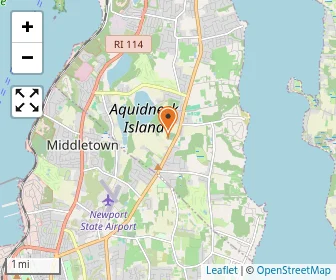
- Sea Rose Montessori Co–op is located in the large suburb of Portsmouth, providing a small educational setting distinct from nearby larger schools.
School Facts
School Type
Religious Affiliation
Grades Offered
Grades Prekindergarten-3
Students By Grade
Student Body
Total Students
35 students
Student Body Type
Co-ed
% Students of Color
15%
State avg.: 28%
Academic Profile
Total Classroom Teachers
8 teachers
Student-Teacher Ratio
4:1
National avg.: 11:1
Tuition & Financial Aid
Admission Deadline
None / Rolling
Frequently Asked Questions
When is the application deadline for Sea Rose Montessori Co-op?
The application deadline for Sea Rose Montessori Co-op is rolling (applications are reviewed as they are received year-round).
Nearby Private Schools
The nearest high school to Sea Rose Montessori Co-op is Portsmouth Abbey School (3.6 miles away)
The nearest elementary school and preschool is The Pennfield School (0.6 miles away)
Show me:
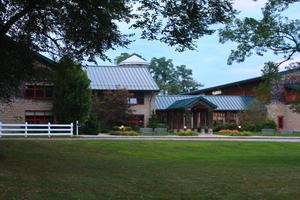
Distance: 0.6 mi
Gr: NS-8 | 197 students
Avg. class size: 16 students
Sports: 6 | Extracurriculars: 5
110 Sandy Point Ave Litle Slocum Farm
Portsmouth, RI 02871
(401) 849-4646
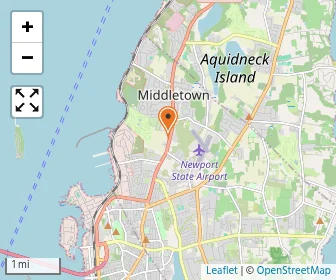
Distance: 1.8 mi
Gr: NS-K | 50 students
Avg. class size: 10 students
Daycare / Preschool
1272 W Main Rd
Middletown, RI 02842
(401) 849-0055
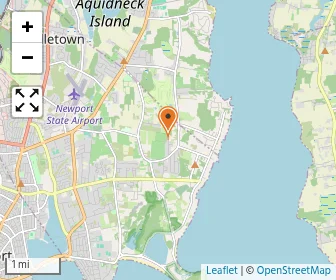
Distance: 2.0 mi
Gr: PK-K | 88 students
Daycare / Preschool
143 Peckham Ln
Middletown, RI 02842
(401) 846-9251
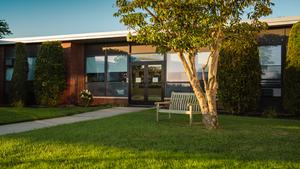
Distance: 2.2 mi
Gr: NS-8
Avg. class size: 15 students
Extracurriculars: 5
Catholic
915 West Main Road
Middletown, RI 02842
(401) 848-4300
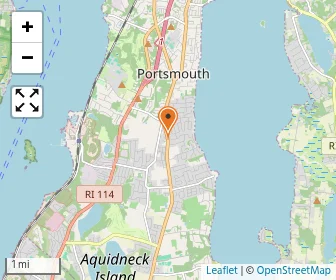
Distance: 2.7 mi
Gr: K | 5 students
Montessori School
1985 East Main Road
Portsmouth, RI 02871
(401) 683-5850
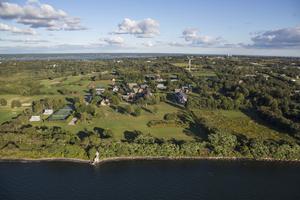
Distance: 3.6 mi
Gr: 9-12 | 337 students
Avg. class size: 12 students
Sports: 18 | Extracurriculars: 22
Catholic
285 Corys Ln
Portsmouth, RI 02871
(401) 643-1248
Distance: 4.2 mi
Gr: 1-12 | 78 students
Special Education School
2820 E Main Rd
Portsmouth, RI 02871
(401) 606-8300
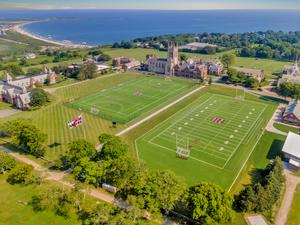
Distance: 4.7 mi
Gr: 9-12 | 380 students
Avg. class size: 10 students
Sports: 17 | Extracurriculars: 10
Episcopal
372 Purgatory Road
Middletown, RI 02842
(401) 842-6600
Distance: 11.0 mi
Gr: NS-9 | 17 students
Baptist
260 Stafford Rd
Fall River, MA 02721
(508) 673-5535
Distance: 11.1 mi
Gr: PK-11 | 98 students
Avg. class size: 14 students
Christian
397 Bay St
Fall River, MA 02724
(508) 730-1735
Distance: 0.6 mi
Gr: NS-8 | 197 students
Avg. class size: 16 students
Sports: 6 | Extracurriculars: 5
110 Sandy Point Ave Litle Slocum Farm
Portsmouth, RI 02871
(401) 849-4646
Distance: 2.2 mi
Gr: NS-8
Avg. class size: 15 students
Extracurriculars: 5
Catholic
915 West Main Road
Middletown, RI 02842
(401) 848-4300
Distance: 3.6 mi
Gr: NS-8 | 455 students
Avg. class size: 22 students
Sports: 8 | Extracurriculars: 10
Catholic
324 Cory's Lane
Portsmouth, RI 02871
(401) 683-0268
Distance: 4.2 mi
Gr: 1-12 | 78 students
Special Education School
2820 E Main Rd
Portsmouth, RI 02871
(401) 606-8300
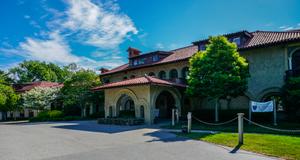
Distance: 4.7 mi
Gr: PK-8 | 221 students
Avg. class size: 12 students
Sports: 8 | Extracurriculars: 5
180 Rhode Island Ave
Newport, RI 02840
(401) 849-5970
Distance: 0.6 mi
Gr: NS-8 | 197 students
Avg. class size: 16 students
Sports: 6 | Extracurriculars: 5
110 Sandy Point Ave Litle Slocum Farm
Portsmouth, RI 02871
(401) 849-4646
Distance: 1.8 mi
Gr: NS-K | 50 students
Avg. class size: 10 students
Daycare / Preschool
1272 W Main Rd
Middletown, RI 02842
(401) 849-0055
Distance: 2.0 mi
Gr: PK-K | 88 students
Daycare / Preschool
143 Peckham Ln
Middletown, RI 02842
(401) 846-9251
Distance: 2.2 mi
Gr: NS-8
Avg. class size: 15 students
Extracurriculars: 5
Catholic
915 West Main Road
Middletown, RI 02842
(401) 848-4300
Distance: 2.7 mi
Gr: K | 5 students
Montessori School
1985 East Main Road
Portsmouth, RI 02871
(401) 683-5850
School
(Math and Reading Proficiency)
(Math and Reading Proficiency)
Location
Miles
Quick Facts
Portsmouth Middle School
(Math: 50% | Reading: 48%)
Rank:
Rank:
8/
Top 30%10
125 Jepson Lane
Portsmouth, RI 02871
(401) 849-3700
Portsmouth, RI 02871
(401) 849-3700
1.3 miles
Gr: 5-8 | 604 students Student-Teacher Ratio: 12:1 Minority enrollment: 18%
Forest Avenue School
(Math: 25-29% | Reading: 35-39%)
Rank:
Rank:
6/
Top 50%10
315 Forest Avenue
Middletown, RI 02842
(401) 849-9434
Middletown, RI 02842
(401) 849-9434
1.9 miles
Gr: K-3 | 304 students Student-Teacher Ratio: 12:1 Minority enrollment: 45%
Gaudet Learning Academy
(Math: 31% | Reading: 41%)
Rank:
Rank:
6/
Top 50%10
1113 Aquidneck Ave.
Middletown, RI 02842
(401) 846-6395
Middletown, RI 02842
(401) 846-6395
2.3 miles
Gr: 4-5 | 259 students Student-Teacher Ratio: 12:1 Minority enrollment: 41%
Gaudet Middle School
(Math: 29% | Reading: 37%)
Rank:
Rank:
6/
Top 50%10
1113 Aquidneck Avenue
Middletown, RI 02842
(401) 846-6395
Middletown, RI 02842
(401) 846-6395
2.3 miles
Gr: 6-8 | 431 students Student-Teacher Ratio: 11:1 Minority enrollment: 39%
Melville School
(Math: 55-59% | Reading: 50-54%)
Rank:
Rank:
9/
Top 20%10
1351 West Main Road
Portsmouth, RI 02871
(401) 683-1650
Portsmouth, RI 02871
(401) 683-1650
2.4 miles
Gr: PK-4 | 316 students Student-Teacher Ratio: 12:1 Minority enrollment: 23%
Recent Articles

Should Your Child Stay at the Same Private School K–12?
Explore whether your child should attend the same private school from kindergarten through graduation, weighing academic continuity, friendships, changing needs, tuition costs, and opportunities at different educational stages.

When Your Child's Closest Friends Leave Private School
Learn how to support your child when close friends leave private school, manage loneliness, maintain friendships, encourage new connections, recognize emotional challenges, and decide when additional school support is needed.

When Your Child Doesn't Connect With Their Teacher
Discover when parents should intervene if their child struggles to connect with a private school teacher, including warning signs, communication strategies, classroom concerns, and practical steps toward improving relationships.