Why Private School

A comprehensive look at private schools and why they might be right for your child. Explore the history of private school education, weigh the pros and cons of public vs. private school, and get valuable advice on making the best choice for your child. Learn more about the various types of private schools from military to progressive and review directories from a variety of resources including private school associations and offline publications.

View the most popular articles in Why Private School:

The A to Z of Private Schools in 2025

Updated
|
The A to Z of Private Schools in 2025
Explore the A to Z guide to private schools in 2025 — trends, tuition, programs, enrollment, choice policies and what families should know today.

In the evolving landscape of K–12 education, the decision to enrol a child in a private school remains one of the most significant choices a family will make. This A to Z guide offers parents, students and educators a comprehensive overview of private schools in 2025 — from Admissions and Tuition to Values, Workforce and Zoning considerations. The structure mirrors the classic A–Z format while reflecting the latest data, policies and real-world insights for this year.

A – Admissions & Accreditation

Admissions into private schools today often involve more than submitting an application and transcript. Many schools incorporate assessments, interviews and even student-portfolio reviews. According to a recent guide, private schools may set higher graduation requirements and expect a culture of “learning is expected, not optional.” Private School Review Accreditation remains a key differentiator: families should look for regional or national accrediting bodies to ensure curriculum quality and smooth college transitions. Internal link: For boarding and day distinctions, see our related overview at BoardingSchoolReview.com.

B – Boarding versus Day School

While the vast majority of private K-12 schools are day schools, boarding options continue to attract families seeking immersive residential experiences. According to analysis, full boarding school costs for seven-day boarding in 2025 are averaging around $69,150 per year. Day-school private tuition is significantly lower (see Section T). When choosing between boarding or day, families should weigh campus life, independence of students, travel logistics and community fit.

C – Choice & Scholarships

Private school choice
. . .read more

What Is an Independent School? Definition & Guide 2025

Updated
|
What Is an Independent School? Definition & Guide 2025
Explore what defines an independent school in 2025 — governance, mission, cost, enrollment and how to evaluate independent schools as a parent or educator.

What Is an Independent School?

In the landscape of U.S. K-12 education, the term independent school is often used alongside, and sometimes interchangeably with, private school. Yet, for parents, students and educators seeking clarity in 2025, it’s useful to distinguish what sets an independent school apart and why that matters.

Defining the Term

At its core, an independent school is a private, non-government school that is self-governing and self-funding. According to the National Association of Independent Schools (NAIS), independent schools “provide students with individualized attention … are independent in governance and finance.” More specifically:

  • Governance: Independent schools are governed by a self-perpetuating board of trustees or governors, rather than by a church diocese, public school district, state agency, or for-profit entity.

  • Finance: They are financially independent of public funding, relying primarily on tuition, gifts/endowments and charitable contributions, giving them freedom in program design and operations.

  • Mission-driven: Independent schools typically follow their own mission, curricular design and admission policies rather than public-school or diocesan mandates.

In short, while all independent schools are private schools, not all private schools are independent in this specific sense. This distinction helps families understand what they are choosing.

Why the Distinction Matters

For many parents and educators, what sets an independent school apart is the increased flexibility in curriculum, staffing, facilities and culture. For instance:

  • Independent schools often hire faculty based on subject-expertise rather than strictly state certification requirements. usm.org

  • They tend to have smaller class sizes, lower student-teacher

. . .read more

What’s a Private School? A 2025 Guide for Parents & Students

Updated
|
What’s a Private School? A 2025 Guide for Parents & Students
Explore what defines a private school, its tuition, enrollment trends, and how it differs from public options in 2025—clear, authoritative insights.

What Is a Private School? An Updated Guide for 2025

In a world where educational options continue to expand and evolve, many families are asking: what exactly is a “private school”? This article defines the term, explains how private schools operate, explores current data and trends through 2025, and offers guidance for parents and students trying to decide whether a private school is the right choice.

1. Defining a Private School

At its core, a private school is a non-public K-12 educational institution that is operated independently of the government’s direct management of public school systems. In the United States, private schools are typically funded through tuition payments, private contributions and endowments, rather than relying primarily on local property taxes and state funding that support public schools. They may be religious or non-sectarian, single-gender or co-educational, day schools or boarding schools.

Unlike public schools, which must admit all students within a district, comply with state board regulations, and offer tuition-free education, private schools often set their own admissions criteria, policies and fee structures. Nonetheless, many private schools still adhere to state accreditation requirements or national independent-school accreditation standards.

2. Key Features of Private Schools

When considering private education, families should know several distinguishing features:

  • Tuition and fees: Private schools charge tuition. According to recent data, average U.S. private K-12 tuition in the 2020-21 school year was approximately $12,790. More recent median estimates suggest private elementary tuition of $26,800/year and middle grade $30,535/year in 2025. RaiseRight

. . .read more

Private School Curriculum in 2025: What’s Being Taught?

Updated
|
Private School Curriculum in 2025: What’s Being Taught?
Explore 2025 private school academic programs, including AP, IB, STEM, and evolving graduation standards. A guide for parents and students.

What’s Being Taught? Academic Programs in Private Schools (2025 Update)

Private schools in the United States continue to distinguish themselves through rigorous academic offerings, small class sizes, and innovative programs designed to prepare students for success in college and beyond. As we enter 2025, understanding what is actually being taught in private schools is more important than ever for parents weighing educational options.

Because private schools operate independently, they are not bound by state-mandated curricula in the same way public schools are. While most meet or exceed state graduation requirements, many go further by emphasizing advanced coursework, interdisciplinary study, global perspectives, and experiential learning.

Let’s take a closer look at the academic frameworks shaping private education in 2025.

Graduation Requirements and State Benchmarks

Private schools typically align their coursework with state requirements but often exceed them. For instance, the Minnesota Department of Education requires 21.5 course credits, including four in language arts, three in math, and three in science. Many private schools surpass these minimums—offering four or more years of mathematics and science, mandatory foreign language study, and extensive arts programming.

Across the U.S., state graduation requirements have remained relatively stable, but private schools are increasingly integrating STEM, digital literacy, and global citizenship courses into their core offerings. According to the U.S. Department of Education’s 2023 report on curriculum innovation, more than 70% of independent schools now require at least one coding, data science, or technology design course before graduation.

Smaller Class Sizes, Bigger Impact

One of the

. . .read more

Why Extracurricular Activities Matter in 2025

Updated
|
Why Extracurricular Activities Matter in 2025
Explore why extracurricular activities remain essential in 2025 — academic gains, social growth, equity, and real-world readiness explained.

Extracurricular Activities: Why They Are So Important (Updated for 2025)

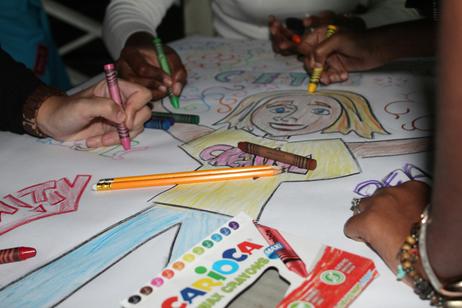
Extracurricular activities—those experiences beyond the standard curriculum—remain indispensable in modern schooling. For parents, educators, and students navigating today’s educational landscape, the question is not whether extracurriculars matter but how best to integrate them. This 2025 update retains the structure of our original piece but reflects the latest data, policy shifts, and research insights.

The Evolving Landscape (2025 Context)

As of 2024–25, approximately 85 percent of U.S. public K–12 schools offer after-school programs, with 60 percent including academically focused components. Yet only an estimated 13 percent of all K–12 students participate in those academically oriented offerings. Meanwhile, 78 percent of public schools provided summer programming in 2023 designed to help students academically, and about 15 percent of all students engaged in those programs.

Beyond the U.S., global and national policies increasingly emphasize holistic education. In many countries, governments now mandate student clubs or “co-curricular activities” as part of formal schooling, aligning with frameworks like the 2030 Sustainable Development Goals and the growing emphasis on "21st-century skills." (For example, some Indian states will require student clubs in all schools by 2025.)

These shifts reflect a growing consensus: in a world of rapid social, technological, and workforce change, schools must do more than deliver core academics. They must cultivate well-rounded citizens, leaders, and innovators.

Why Extracurriculars Still Matter — with New Evidence

  1. Academic and Social Gains

    Decades of research support a positive association between extracurricular participation and student success

. . .read more

Recent Articles

Should Your Child Stay at the Same Private School K–12?
Explore whether your child should attend the same private school from kindergarten through graduation, weighing academic continuity, friendships, changing needs, tuition costs, and opportunities at different educational stages.
When Your Child's Closest Friends Leave Private School
Learn how to support your child when close friends leave private school, manage loneliness, maintain friendships, encourage new connections, recognize emotional challenges, and decide when additional school support is needed.
When Your Child Doesn't Connect With Their Teacher
Discover when parents should intervene if their child struggles to connect with a private school teacher, including warning signs, communication strategies, classroom concerns, and practical steps toward improving relationships.

Why Private School

ABOUT PRIVATE SCHOOLS
An in depth look at private schools, including history, a comparison to public education, and a glimpse of what's being taught. Learn about the benefits of attending private school, to both students and parents. Explore private schools options when living abroad, and debunk many of the myths regarding private school education.
KINDS OF SCHOOLS
Private schools are just as varied as public schools. From Catholic to progressive, military to special needs, private schools offer a lot of options. Take a comprehensive look into the many types of private schools, weigh the pros and cons of each, and get helpful tips on choosing one that works best for your child.
SCHOOL LIFE
Get a glimpse of private school life. Here you'll find a survival guide for parents, brush up on terms and jargon, and learn why extracurricular activities are so important.
DIRECTORIES
We offer several directories to aid in your choice of a private school. Included are quick links to national, regional and state associations, a list of offline resources to aid in our decision, and local school directories for several metropolitan areas.