Why Private School

A comprehensive look at private schools and why they might be right for your child. Explore the history of private school education, weigh the pros and cons of public vs. private school, and get valuable advice on making the best choice for your child. Learn more about the various types of private schools from military to progressive and review directories from a variety of resources including private school associations and offline publications.

View the most popular articles in Why Private School:

What’s a Private School? 2025 Guide for Parents

Updated
|
What’s a Private School? 2025 Guide for Parents
Explore what defines a private school in 2025—costs, diversity, programs, and admissions insights for families choosing the right education.

What’s a Private School?

A 2025 Parent and Educator Guide

Private schools have long been a cornerstone of American education, offering families choices beyond their local public district. But in 2025, the definition of “private school” is more diverse and dynamic than ever. With nearly 4.7 million students enrolled across more than 30,000 schools nationwide, private education spans independent, religious, boarding, Montessori, Waldorf, STEM-focused, arts-centered, and even hybrid online models.

For parents asking what’s a private school, the answer now includes both traditional institutions with deep histories and innovative schools that harness artificial intelligence and personalized learning. Understanding these differences is essential when evaluating whether private education is the right fit for your child.

Defining a Private School in 2025

At its core, a private school is an institution of learning independently funded through tuition, endowments, and donations rather than taxpayer dollars. Unlike public schools, which must follow state-mandated curricula, private schools enjoy greater flexibility in curriculum design, teacher hiring, and instructional methods.

This autonomy allows schools to specialize—whether in advanced college-prep programs, religious instruction, arts immersion, or individualized learning tracks. According to the National Association of Independent Schools (NAIS), more than 60% of private schools in 2024 adopted a hybrid or personalized learning model, blending in-person instruction with technology-driven tools.

Types of Private Schools

Private education is not monolithic. Parents exploring what a private school is will find a spectrum of options, including:

  • Independent Schools: Fully self-governed, often college-preparatory, and supported by tuition and endowment.
  • Religious
. . .read more

The A to Z of Private Schools 2025

Updated
|
The A to Z of Private Schools 2025
Explore the A to Z of private schools in 2025—from admissions to tuition—offering parents and educators clear insights into today’s options.

The A to Z of Private Schools (2025 Edition)

Private schools in the United States have long offered families an alternative to public education—emphasizing small class sizes, personalized instruction, and distinctive educational philosophies. But the landscape in 2025 looks different than it did even a decade ago. Rising tuition, new demographic shifts, and expanded program offerings make private education both more diverse and, in many cases, more accessible.

This A to Z guide walks you through the essentials of private schools in 2025, helping families and educators understand the key terms, trends, and opportunities that define the sector today.

A – Admissions

Private school admissions remain competitive, but many schools now emphasize “fit” over test scores. Some institutions have reduced reliance on entrance exams, instead considering teacher recommendations, student essays, and interviews. Waitlists are common at top-tier schools, particularly in urban centers.

B – Boarding Schools

Boarding schools are evolving. Once primarily East Coast institutions, they are now attracting international students and offering global curricula such as the International Baccalaureate (IB). In 2025, 20% of U.S. boarding school students come from outside the country, fostering diverse campus cultures.

C – Curriculum

Private schools often have flexibility beyond state-mandated requirements. Many emphasize STEM, arts integration, and experiential learning. Project-based learning and advanced electives—such as artificial intelligence or environmental science—are increasingly common.

D – Diversity

Diversity remains a priority. According to the National Center for Education Statistics, students of color now make up 38% of private school enrollment

. . .read more

Independent Schools in Africa

Updated
|
Independent Schools in Africa
Discover Africa's vibrant international education landscape with our comprehensive guide to private K-12 schools across the continent. From British and American curricula to French, German, and niche language programs, explore how expat families can find world-class education tailored to their needs. Learn about boarding and day schools in South Africa, Tunisia, Morocco, Egypt, and beyond.

About to be posted to a major city in Africa? Got questions about schools for your kids?

We receive lots of inquiries from parents asking about private schools in Africa. Most of the time parents want information about schools, tuition fees, available places, and so on.

Now, if you're an expat looking for schools, not to worry! Egypt, Morocco, Tunisia, South Africa, Kenya, and all the other African nations have plenty of private schools to choose from. Of course, it stands to reason that the bigger the city, the more schools it will have. I've listed some of the schools that teach American, British, Canadian, Italian, French, and German curricula.

So, whether you are being posted to Cairo or Tunis, you will be able to find a school that follows the curriculum your kids would have had back home. That way, once your tour of duty is over, your kids will be right up to speed when you get back home.

I was an expat! So, I speak from my own experience as an expat whose daughter attended a private high school in The Bahamas. While obviously there were subtle differences in the curriculum and the way it was taught, she adjusted well. Indeed, she subsequently attended two distinguished universities and earned a master's degree.

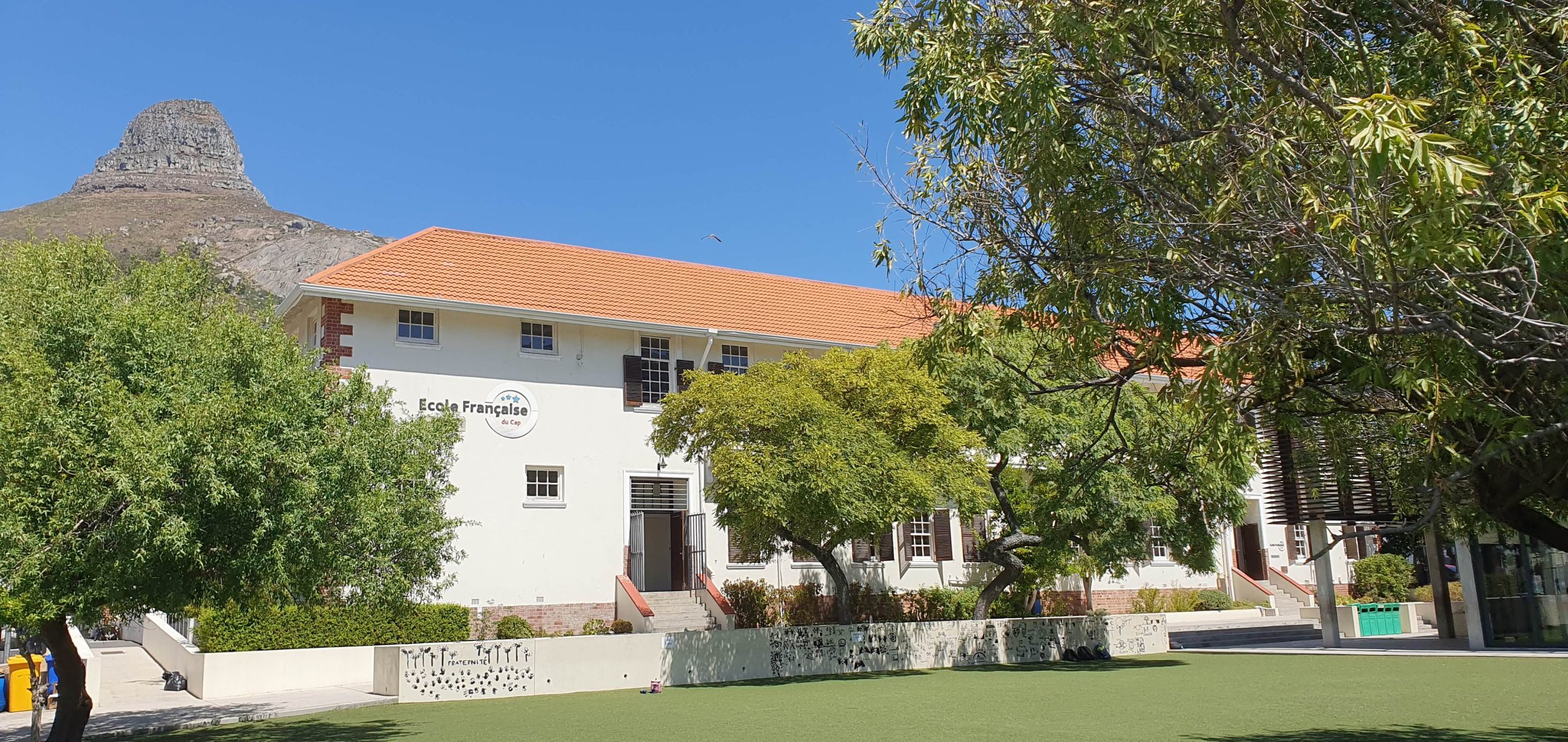
Photo of Lycée Français International du Cap, Cape Town, South Africa courtesy the school

List of Schools

Two things: this list is by no means

. . .read more

Inside DoDEA Schools: Teacher Qualifications, Costs, and Accreditation

Updated
|
Inside DoDEA Schools: Teacher Qualifications, Costs, and Accreditation
Explore the world of Department of Defense Schools (DoDEA), offering quality education to military families globally. Learn about their history, academic performance, teacher qualifications, and unique benefits for service members' children.

Inside DoDEA Schools: Background

As someone who has taught various subjects and served as a deputy director in a private school, I can only imagine what it must be like to run a global educational system like the Department of Defence Schools (DoDEA). Let's look at the teacher qualifications, how much the tuition and costs are, and how the schools are accredited.

The Department of Defense Schools trace their roots to the aftermath of World War II.

  • In 1946, the Department of the Army established the first schools for dependents of service people in occupied Germany, Austria, and Japan.
  • These schools served children of American military personnel stationed abroad. Initially, the Army, Navy, and Air Force operated their schools separately.

Then, in 1964, the Secretary of Defense combined these into a single system.

  • The Defense Dependents Education Act of 1978 formally established the Defense Dependents' Education System, authorizing the Secretary of Defense to operate a free public education system for eligible overseas dependents.
  • This act provided Congressional authorization for the schools. Over time, the system has evolved.
  • In 1992 it became known as the Department of Defense Education Activity (DoDEA), incorporating overseas and domestic schools.
  • Today, DoDEA operates as a field activity of the Office of the Secretary of Defense, serving military families worldwide.

This video offers a look at the DoDEA schools in Europe.

Teacher Qualifications

DoDEA maintains high standards for its

. . .read more

Why Private School? (2025 Edition)

Updated
|
Why Private School? (2025 Edition)
Discover the benefits of private schooling. From academic rigor to personalized learning and community values, we explore the reasons why private schools might be the right choice for your child's education.

Private schools challenge their students academically

  • They expose their students to more explicit value systems.
  • They give their students greater access to well-qualified, experienced teachers.
  • Private schools allow their students to feel safer than at a local public school.

When you decide to pursue private schooling for your child, start the research process early.

  • Admission to private schools can be competitive.
  • Furthermore, finding a school that is a perfect fit for your child and where they will also be accepted takes some time.

Reasons To Look Into Private Schools

A Higher Bar

A major advantage of private education is that your child will likely be challenged to a higher academic standard.

  • Private schools tend to be more academically rigorous than public schools.
  • Private school students may have to meet more criteria to maintain their grade point averages.
"Private high schools typically have more demanding graduation requirements than do public high schools. Compared with public schools, private schools required more coursework (in 4-year high school programs)." Source: Private School Universe Survey (PSS) from NCES

Private school students can expect more regarding the quality of work, course workload, and special requirements, such as community service or arts participation.

  • In some schools, what would typically be considered extracurricular activities are prerequisites for graduation, which ultimately round out students' high school experience.
  • The push to meet this higher standard often results in greater student performance.
A 2022 NAEP report found that "Students in private schools scored significantly above the national average in
. . .read more

Recent Articles

Should Your Child Stay at the Same Private School K–12?
Explore whether your child should attend the same private school from kindergarten through graduation, weighing academic continuity, friendships, changing needs, tuition costs, and opportunities at different educational stages.
When Your Child's Closest Friends Leave Private School
Learn how to support your child when close friends leave private school, manage loneliness, maintain friendships, encourage new connections, recognize emotional challenges, and decide when additional school support is needed.
When Your Child Doesn't Connect With Their Teacher
Discover when parents should intervene if their child struggles to connect with a private school teacher, including warning signs, communication strategies, classroom concerns, and practical steps toward improving relationships.

Why Private School

ABOUT PRIVATE SCHOOLS
An in depth look at private schools, including history, a comparison to public education, and a glimpse of what's being taught. Learn about the benefits of attending private school, to both students and parents. Explore private schools options when living abroad, and debunk many of the myths regarding private school education.
KINDS OF SCHOOLS
Private schools are just as varied as public schools. From Catholic to progressive, military to special needs, private schools offer a lot of options. Take a comprehensive look into the many types of private schools, weigh the pros and cons of each, and get helpful tips on choosing one that works best for your child.
SCHOOL LIFE
Get a glimpse of private school life. Here you'll find a survival guide for parents, brush up on terms and jargon, and learn why extracurricular activities are so important.
DIRECTORIES
We offer several directories to aid in your choice of a private school. Included are quick links to national, regional and state associations, a list of offline resources to aid in our decision, and local school directories for several metropolitan areas.