Why Private School

A comprehensive look at private schools and why they might be right for your child. Explore the history of private school education, weigh the pros and cons of public vs. private school, and get valuable advice on making the best choice for your child. Learn more about the various types of private schools from military to progressive and review directories from a variety of resources including private school associations and offline publications.

View the most popular articles in Why Private School:

5 Things Not To Like About Private School

Updated
|
5 Things Not To Like About Private School
Are private schools only for wealthy families? Explore the most common criticisms of private education and how today's schools are addressing affordability, diversity, academics, wellness, and student life in 2026.

What’s Not to Like About Private School?

When critics inveigh against private schools, they tend to pick on issues such as the following.

Everybody’s Rich

Looking at most private schools’ beginnings, you will discover that their original clientele was not children from wealthy families. Many of the founders of schools back in colonial times, the Phillips family, for example, saw education as the way forward for the infant democracy in the United States. For the nation to survive, it needed a literate, educated, proficient population.

European crusaders like Dr. Maria Montessori and Rudolf Steiner, the founder of the Waldorf Schools movement, began their work among the poor and working classes. Their teachings captured the imagination of the American middle and upper classes when their movements spread to the United States.

Over time, as the schools expanded, they became highly prized for what they accomplished, namely providing an excellent academic education combined with sports and solid core values. Market forces conspired to drive the cost of education up. Social forces conspired to make private schools the place where the elite sent their children.

In the 21st century, egalitarian ideas once more have the upper hand. Private schools seek out and encourage applicants from every social and economic stratum. Diversity rules. Not everybody who attends private school is rich.

That point is especially important in 2026. The independent school sector now tracks admissions, enrollment, tuition, financial aid, and operating data closely through the National Association of Independent Schools,
. . .read more

Private Schools Jargon and Terms

Updated
|
Private Schools Jargon and Terms
Private schools have their own jargon just like any activity or affinity group has. Here are some of the more common terms you are likely to encounter as you explore private schools.

Private schools have terms and a language all their own. Similar to most affinity groups, this jargon is second nature to the insiders. Some of the terms which you will encounter have been passed down through the centuries. They come to us from England and other European countries where private or public schools, as they call them, have been around for centuries. That's why you will see words on this list which you will recognize with meanings that you weren't expecting.

Here are some of the more common terms you are likely to encounter as you explore private schools.

ADD/ADHD

ADD (Attention Deficit Disorder) is what ADHD (Attention Deficit Hyperactivity Disorder) used to be called.

Here's what WebMed has to say: "ADHD stands for attention deficit hyperactivity disorder, a condition with symptoms such as inattentiveness, impulsivity, and hyperactivity. The symptoms differ from person to person. ADHD was formerly called ADD, or attention deficit disorder. Both children and adults can have ADHD, but the symptoms always begin in childhood. Adults with ADHD may have trouble managing time, being organized, setting goals, and holding down a job."

If your child exhibits any signs of ADHD, you should have him evaluated thoroughly and professionally. The syndrome is generally treatable. Several private schools specialize in teaching boys and girls with ADHD.

Crew

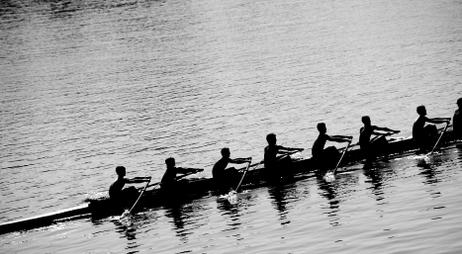
Crew is the ancient sport of rowing. Rowing in shells is very popular in many private schools. Crew is offered in the fall and spring. Schools participate in

. . .read more

Athletics Are Not Optional

Updated
|
Athletics Are Not Optional
Learn why athletics remain central to private school education, student wellness, leadership development, and campus culture in 2026.

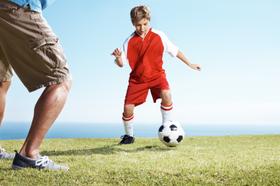
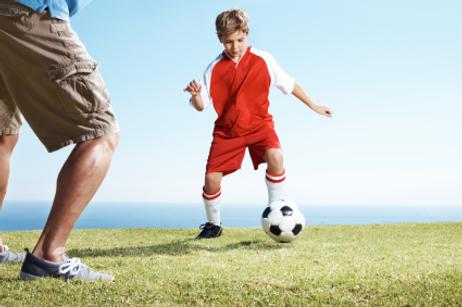
Athletic programs in private schools are an integral part of school life. They are not “optional.” All students participate in some athletic activity weekly while school is in session. Most private schools set aside a weekday afternoon, generally Wednesday, for athletics. There are no classes. Everybody is involved in some athletic activity somewhere on campus. In boarding schools, part of each Saturday is also given over to sports. Throughout this article, quotations from private school websites offer insight into how schools view competitive and recreational athletics.

“Competitive or recreational sports at The Putney School are valued for fostering individual skills and strengths. Sports do not conflict with art activities, so there is no need to choose between one or the other.” — The Putney School, Vermont

This is also a fundamental difference between many private and public schools. Public schools often face difficult budget decisions, and athletic funding can sometimes be reduced when districts must prioritize staffing and academic resources. Most private schools, however, continue to treat athletics as a core part of student development.

“The Gunnery's sports program cultivates competition and cooperation in the context of organized athletics. This is a tradition that stretches back, unbroken, to Mr. Gunn's era. A staunch advocate of physical fitness, he created the school's first athletic teams.” — The Gunnery, Connecticut

So, why the emphasis on athletics? And what is the point of making every student participate?

Most private school athletic programs teach students invaluable lessons about teamwork, resilience, discipline, and

. . .read more

Why Do Private Schools Not Have To Teach To The Test?

Updated
|
Why Do Private Schools Not Have To Teach To The Test?
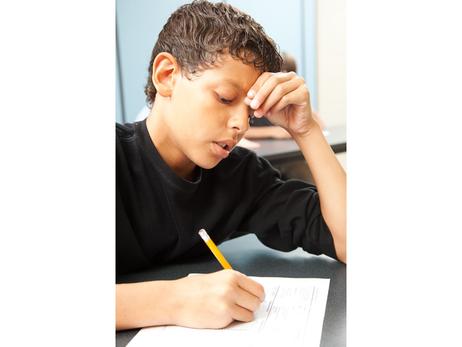
Private schools don't have to teach to the test because they do not accept public funds.

One of the most compelling arguments for private education has to do with the curriculum. Because very few private schools accept public funds, they are not required to comply with federal and state rules and regulations regarding what is taught. In other words, they do not have to teach to the test. George Bush's No Child Left Behind does not apply to private schools.

Private schools use a variety of curricula according to their mission and needs. For example, a Jewish day school will blend Judaic studies with a core curriculum designed to accomplish two things: to raise observant Jews who are well-schooled in their religion as well as producing well-prepared matriculants ready for the rigors of a college education.

A Classical Christian education will emphasize traditional subjects such as rhetoric. It will also infuse every aspect of its teaching with evangelistic fire and purpose. Religion in a Classical Christian school is not an option any more than it is in a Muslim or Jewish or Roman Catholic school. All these schools can take valuable teaching time to accomplish their missionary objectives because they take no state funds. They basically can march to their own pedagogical tune as long as their clientele is satisfied that the school is doing a good job.

This video offers an overview of Rochelle Zell Jewish High School.

What about prep schools?

Religion for most prep

. . .read more

Computers in Private School

Updated
|
Computers in Private School
Some schools require you to purchase a laptop as part of their book fee. Others let you bring your own device.

This article has been updated to reflect 2026 data and recent developments.

Remember computer labs? Remember those couple of Apple IIes sitting on the side of the classroom? Remember dial-up modems? Those days seem like a hundred years ago, don't they? Handheld devices have totally transformed education at every level, not just in K-12 schools. However, while handheld devices offer immediate access to information students need for their schoolwork, they also create all sorts of issues for schools. Different platforms and operating systems need to be able to communicate with each other. In other words, teachers and students need to be on the same page. Added to that major challenge is the even bigger challenge of providing seamless wireless access to the internet from anywhere on campus safely and securely. Yes, hackers are everywhere, within and without the firewalls the IT staff have so carefully erected to keep data and students safe. With these points in mind, let's look at what's going on with technology in private K-12 schools.

I just had to include this Apple IIe commercial from the 80s. It shows how far we have come.

Schools handle the devices students use in a variety of ways. Some schools require you to purchase a laptop or tablet as part of their book and supplies fees. Others supply computers for their students. Others have computers in classrooms and libraries for their students to use.

. . .read more

Recent Articles

Should Your Child Stay at the Same Private School K–12?
Explore whether your child should attend the same private school from kindergarten through graduation, weighing academic continuity, friendships, changing needs, tuition costs, and opportunities at different educational stages.
When Your Child's Closest Friends Leave Private School
Learn how to support your child when close friends leave private school, manage loneliness, maintain friendships, encourage new connections, recognize emotional challenges, and decide when additional school support is needed.
When Your Child Doesn't Connect With Their Teacher
Discover when parents should intervene if their child struggles to connect with a private school teacher, including warning signs, communication strategies, classroom concerns, and practical steps toward improving relationships.

Why Private School

ABOUT PRIVATE SCHOOLS
An in depth look at private schools, including history, a comparison to public education, and a glimpse of what's being taught. Learn about the benefits of attending private school, to both students and parents. Explore private schools options when living abroad, and debunk many of the myths regarding private school education.
KINDS OF SCHOOLS
Private schools are just as varied as public schools. From Catholic to progressive, military to special needs, private schools offer a lot of options. Take a comprehensive look into the many types of private schools, weigh the pros and cons of each, and get helpful tips on choosing one that works best for your child.
SCHOOL LIFE
Get a glimpse of private school life. Here you'll find a survival guide for parents, brush up on terms and jargon, and learn why extracurricular activities are so important.
DIRECTORIES
We offer several directories to aid in your choice of a private school. Included are quick links to national, regional and state associations, a list of offline resources to aid in our decision, and local school directories for several metropolitan areas.