Why Private School

A comprehensive look at private schools and why they might be right for your child. Explore the history of private school education, weigh the pros and cons of public vs. private school, and get valuable advice on making the best choice for your child. Learn more about the various types of private schools from military to progressive and review directories from a variety of resources including private school associations and offline publications.

View the most popular articles in Why Private School:

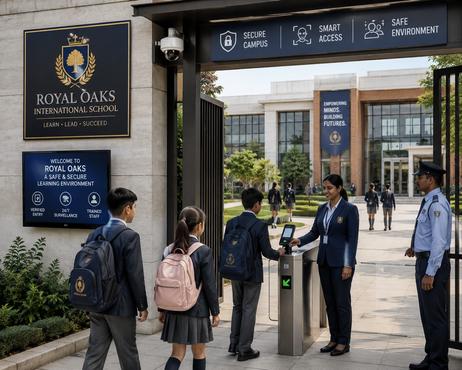
Private School Safety Measures in 2026

Updated
|
Private School Safety Measures in 2026
Explore updated private school safety measures in 2026, including campus security, mental health support, emergency planning, and digital safety.

For many families evaluating educational options, safety remains one of the most important considerations. Academic quality, extracurricular programs, and school culture matter, but parents also want reassurance that their children will learn in a secure, supportive environment.

In 2026, private school safety measures extend far beyond locked doors and visitor check-ins. Schools are investing in comprehensive approaches that include physical security, emergency preparedness, student wellness programs, cybersecurity protections, and stronger communication systems with families.

While no school environment can eliminate every risk, many private schools benefit from smaller campuses, lower student-to-teacher ratios, and greater operational flexibility. These factors often allow administrators to implement safety protocols more quickly and maintain closer oversight of students and facilities.

As discussed in Why Private School? Key Considerations for Families in 2025, safety and student well-being continue to rank among the leading reasons families consider private education.

How Private School Safety Measures Have Evolved

School safety expectations have changed significantly over the past decade. In 2026, private schools are increasingly focused on layered security strategies that combine prevention, preparedness, and student support.

Modern private school safety measures often include:

  • Controlled campus access systems
  • Security cameras and monitored entrances
  • Emergency response training
  • Mental health and counseling services
  • Cybersecurity protections for student data
  • Anonymous reporting systems
  • Visitor management technology
  • Crisis communication platforms

Many schools now approach safety as a community-wide responsibility involving administrators, faculty, parents, students, and local first responders.

According to the National Center for Education Statistics, school safety concerns remain a major factor influencing family education decisions
. . .read more

The Rise of Micro-Schools Within Private School Networks

Updated
|
The Rise of Micro-Schools Within Private School Networks
Explore how private school networks are adopting micro-schools to deliver flexible, personalized, and innovation-driven education in 2026.

Micro-schools are rapidly becoming one of the most talked-about developments in private education. Once viewed as niche alternatives to traditional classrooms, micro-schools are now increasingly being adopted by established private school networks seeking to provide more personalized, flexible, and innovation-focused learning environments.

In 2026, many independent schools are experimenting with smaller satellite campuses, hybrid learning hubs, and highly customized instructional models designed to meet changing family expectations. The rise of micro-schools reflects broader shifts in education, including growing demand for individualized instruction, flexible scheduling, and student-centered learning.

For private school networks, micro-schools offer opportunities to expand access, test new educational approaches, and serve families seeking alternatives to conventional large-campus experiences.

What Is a Micro-School?

A micro-school is generally a small learning community that combines elements of traditional schooling, personalized education, and sometimes homeschooling flexibility.

Most micro-schools feature:

  • Small student populations
  • Multi-age classrooms
  • Personalized instruction
  • Project-based learning
  • Flexible scheduling
  • High student-teacher interaction

Unlike traditional private schools that may enroll hundreds or thousands of students, micro-schools often serve anywhere from 10 to 150 students, depending on the model.

Some operate independently, while others are now being launched directly by larger private school organizations.

Why Private School Networks Are Expanding Into Micro-Schools

Several factors are driving private schools to explore micro-school models.

Families Want More Personalized Education

Many parents increasingly seek educational settings where students receive individualized attention and customized academic pathways.

Smaller learning environments may allow schools to:

  • Adapt instruction more quickly
  • Support different learning styles
  • Provide flexible pacing
  • Strengthen student-teacher relationships
  • Reduce classroom distractions

Families interested in personalized

. . .read more

How Private Schools Support Student Entrepreneurship

Updated
|
How Private Schools Support Student Entrepreneurship
Learn how private schools are building student-led startups and entrepreneurship programs through mentorship, innovation labs, and business education.

Entrepreneurship education has evolved far beyond traditional business electives. In 2026, many private schools are actively creating environments where students launch startups, develop business plans, pitch investors, and solve real-world problems before graduating from high school.

From student-run companies to innovation incubators and entrepreneurship labs, private schools are increasingly integrating business leadership into their academic culture. These programs are designed not only to teach financial literacy, but also to develop creativity, collaboration, communication, and resilience.

As colleges and employers place greater emphasis on initiative and problem-solving, entrepreneurship programs have become a growing point of distinction among independent schools. Families researching private education are paying closer attention to how schools prepare students for a rapidly changing economy shaped by technology, artificial intelligence, and innovation.

Why Entrepreneurship Programs Are Growing in Private Schools

Private schools often have greater flexibility than public schools when designing curriculum and experiential learning opportunities. This flexibility allows many schools to move quickly when introducing entrepreneurship programs tied to emerging industries and workforce trends.

Several factors are driving this growth:

  • Increased interest in STEM and innovation education
  • Expansion of AI and digital business opportunities
  • Rising demand for experiential learning
  • Greater emphasis on leadership and problem-solving skills
  • Strong alumni and business community networks

Many schools also recognize that entrepreneurship education benefits students regardless of whether they eventually start a business. Skills such as critical thinking, collaboration, public speaking, and adaptability translate into nearly every profession.

The growing popularity of entrepreneurship-focused learning reflects broader changes in education. Families exploring modern academic models

. . .read more

Curriculum Planning Strategies for Home-Educated Students

Updated
|
Curriculum Planning Strategies for Home-Educated Students
Learn effective curriculum planning strategies for home-educated students, including scheduling, assessment, flexibility, and 2026 learning trends.

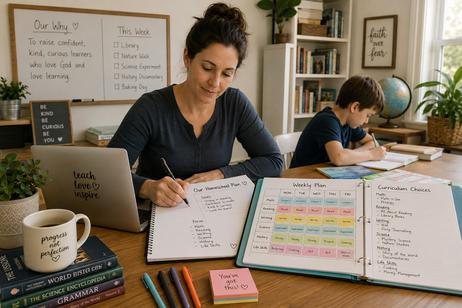
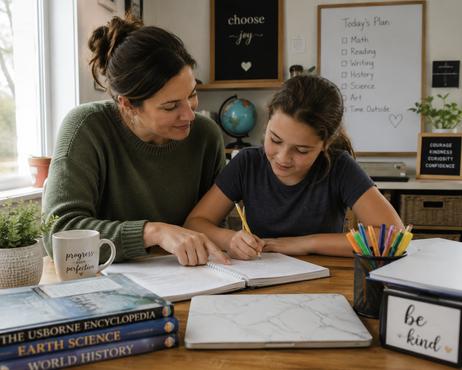
Homeschooling continues to evolve in 2026 as more families seek flexible, personalized educational pathways for their children. While home education offers significant freedom, successful outcomes often depend on thoughtful curriculum planning. Parents who approach homeschooling with a clear academic structure, realistic goals, and adaptable learning strategies are better positioned to create a consistent and enriching educational experience.

Curriculum planning strategies for home-educated students now extend far beyond selecting textbooks. Modern homeschooling frequently includes online learning platforms, project-based instruction, hybrid learning programs, dual enrollment opportunities, and AI-supported educational tools. Families also increasingly combine homeschooling with private school partnerships, microschools, or umbrella programs that provide accountability and support.

For many parents, the challenge is not whether to homeschool, but how to organize a curriculum that balances academic rigor, flexibility, and long-term goals.

Why Curriculum Planning Matters in Home Education

Unlike traditional schools that follow standardized district pacing guides, homeschooling families must independently determine:

  • Academic priorities
  • Grade-level expectations
  • Daily and yearly schedules
  • Assessment methods
  • Graduation requirements
  • College preparation pathways

Without a plan, homeschooling can become inconsistent or overly reactive. A structured curriculum framework helps students maintain academic progress while still benefiting from homeschooling flexibility.

According to the National Center for Education Statistics, homeschooling participation remains significantly higher than pre-pandemic levels, reflecting sustained parent interest in customized education models.

Well-designed curriculum planning strategies for home-educated students also reduce parental stress by creating predictable routines and measurable goals.

Start With Long-Term Educational Goals

Effective homeschool curriculum planning begins with the end in mind. Parents should first

. . .read more

Should You Switch From Private School to Homeschool?

Updated
|
Should You Switch From Private School to Homeschool?
Learn the key signs that it may be time to switch from private school to homeschool, plus practical questions for families to consider in 2026.

For many families, private school offers smaller class sizes, strong academics, structured environments, and specialized opportunities. But even in excellent schools, some students eventually reach a point where the traditional private school model no longer feels like the best fit.

In recent years, homeschooling has become a more mainstream educational option. According to the National Center for Education Statistics, homeschooling enrollment remains significantly higher than pre-2020 levels, and many families are now combining homeschooling with online courses, learning pods, tutors, microschools, and dual-enrollment programs.

As parents evaluate educational choices in 2026, one question continues to surface: Should you switch from private school to homeschool?

The answer depends on your child’s academic, emotional, social, and family needs. While homeschooling can offer flexibility and personalization, it also requires substantial commitment and planning.

Signs to Watch Before Making the Transition

When Private School May No Longer Be the Right Fit

Every student experiences occasional academic stress or social frustration. However, repeated patterns may indicate that a different learning environment is needed.

  1. Your Child Is Constantly Overwhelmed or Anxious

    A demanding academic environment can motivate some students, but for others, it creates chronic stress.

    Signs may include:

    • Frequent headaches or stomachaches before school
    • Trouble sleeping
    • Emotional exhaustion after classes
    • Increased anxiety around testing or homework
    • Loss of confidence or motivation

    In highly competitive private schools, students sometimes feel pressure to maintain perfect grades, advanced schedules, and extensive extracurricular commitments. If stress consistently outweighs growth, homeschooling may provide a healthier pace.

    Homeschooling allows families to:

    • Customize workload and scheduling
    • Build more breaks into the
. . .read more

Recent Articles

Should Your Child Stay at the Same Private School K–12?
Explore whether your child should attend the same private school from kindergarten through graduation, weighing academic continuity, friendships, changing needs, tuition costs, and opportunities at different educational stages.
When Your Child's Closest Friends Leave Private School
Learn how to support your child when close friends leave private school, manage loneliness, maintain friendships, encourage new connections, recognize emotional challenges, and decide when additional school support is needed.
When Your Child Doesn't Connect With Their Teacher
Discover when parents should intervene if their child struggles to connect with a private school teacher, including warning signs, communication strategies, classroom concerns, and practical steps toward improving relationships.

Why Private School

ABOUT PRIVATE SCHOOLS
An in depth look at private schools, including history, a comparison to public education, and a glimpse of what's being taught. Learn about the benefits of attending private school, to both students and parents. Explore private schools options when living abroad, and debunk many of the myths regarding private school education.
KINDS OF SCHOOLS
Private schools are just as varied as public schools. From Catholic to progressive, military to special needs, private schools offer a lot of options. Take a comprehensive look into the many types of private schools, weigh the pros and cons of each, and get helpful tips on choosing one that works best for your child.
SCHOOL LIFE
Get a glimpse of private school life. Here you'll find a survival guide for parents, brush up on terms and jargon, and learn why extracurricular activities are so important.
DIRECTORIES
We offer several directories to aid in your choice of a private school. Included are quick links to national, regional and state associations, a list of offline resources to aid in our decision, and local school directories for several metropolitan areas.