Why Private School

A comprehensive look at private schools and why they might be right for your child. Explore the history of private school education, weigh the pros and cons of public vs. private school, and get valuable advice on making the best choice for your child. Learn more about the various types of private schools from military to progressive and review directories from a variety of resources including private school associations and offline publications.

View the most popular articles in Why Private School:

Independent School Accreditation Explained

Updated
|
Independent School Accreditation Explained
Learn how independent school accreditation works, why it matters, and what families should look for when evaluating private schools.

Independent school accreditation, explained clearly, is essential for families evaluating private education options in 2026. While private schools are not required to follow the same regulations as public schools, accreditation provides an important layer of accountability, quality assurance, and continuous improvement.

For parents, accreditation signals that a school meets established standards in areas such as curriculum, faculty qualifications, governance, and student outcomes. For schools, it serves as both a benchmark and a roadmap for ongoing development.

This guide explains how independent school accreditation works, who oversees it, and why it should play a central role in your school search.

What Is Independent School Accreditation?

Independent school accreditation is a voluntary process through which private schools undergo evaluation by an external accrediting organization. The goal is to ensure that the school meets specific educational and operational standards.

Accreditation typically involves:

  • A comprehensive self-study conducted by the school
  • A peer review process by educators from other institutions
  • An on-site evaluation visit
  • Ongoing monitoring and periodic re-accreditation

Unlike government regulation, accreditation is conducted by independent agencies. However, many are recognized by national organizations such as the Council for Higher Education Accreditation.

For families researching options, accreditation is one of the most reliable indicators of institutional quality. It complements other considerations discussed in 7 Reasons Why Private School May Be The Right Choice.

Who Accredits Independent Schools?

Several regional and national organizations accredit private schools in the United States and internationally. These agencies establish standards and oversee the evaluation process.
Major Accrediting
. . .read more

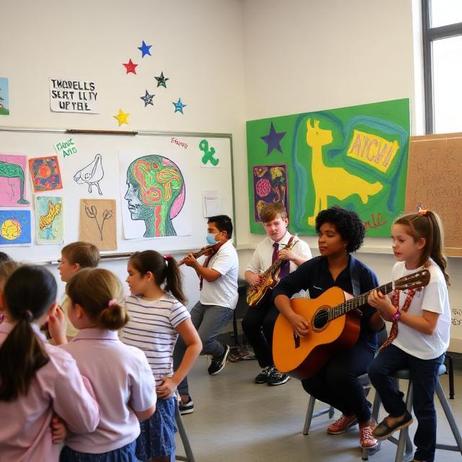
Arts Education in Private Schools: 2026 Guide

Updated
|
Arts Education in Private Schools: 2026 Guide
Explore how arts education in private schools enhances creativity, academics, and college readiness in 2026.

Arts education in private schools continues to evolve as a defining feature of a well-rounded academic experience. In 2026, independent schools are not only preserving traditional disciplines like music, theater, and visual arts, but also expanding into digital media, design thinking, and interdisciplinary creative studies.

For families evaluating private education, arts programs often signal a school’s broader commitment to innovation, student engagement, and whole-child development. This article explores how arts education in private schools is structured today, why it matters, and how it compares to other educational environments.

Why Arts Education Still Matters

Research consistently shows that arts education contributes to both academic and personal development. Students engaged in the arts tend to demonstrate stronger critical thinking skills, improved emotional intelligence, and higher levels of school engagement.

According to the National Endowment for the Arts, students involved in arts programs are more likely to achieve academically and participate in civic life. Similarly, the U.S. Department of Education highlights arts integration as a key factor in fostering creativity and problem-solving skills.

In private schools, these benefits are often amplified by smaller class sizes, specialized faculty, and greater access to resources.

What Sets Arts Education in Private Schools Apart

Private schools typically offer a more robust and flexible approach to arts education than many public counterparts. While offerings vary by institution, several distinguishing features stand out.

1. Dedicated Facilities and Resources

Many private schools invest heavily in arts infrastructure, including:

  • Professional-grade theaters and performance spaces
  • Digital media
. . .read more

STEM Programs in Private Schools: 2026 Guide

Updated
|
STEM Programs in Private Schools: 2026 Guide
Explore STEM programs in private schools, including benefits, curriculum trends, and how to choose the right school in 2026.

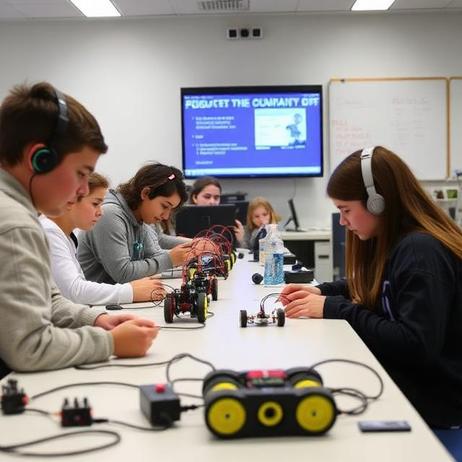
STEM programs in private schools have evolved significantly in recent years, becoming a central pillar of many institutions’ academic offerings. As demand for science, technology, engineering, and mathematics education continues to rise, private schools are uniquely positioned to deliver innovative, flexible, and forward-looking STEM curricula.

For parents evaluating educational options in 2026, understanding how STEM programs in private schools differ from public offerings, and what distinguishes high-quality programs, is essential. This guide explores current trends, program features, and how to choose the right fit for your child.

What Defines STEM Programs in Private Schools?

STEM programs in private schools integrate science, technology, engineering, and mathematics into a cohesive learning model that emphasizes problem-solving, creativity, and real-world application.

Unlike traditional academic structures, these programs often:

  • Combine disciplines through project-based learning
  • Emphasize hands-on experimentation and design
  • Incorporate emerging technologies such as artificial intelligence and robotics
  • Foster collaboration and critical thinking

Private schools often have greater flexibility in curriculum design, allowing them to adopt cutting-edge approaches more quickly than many public systems.

For a broader look at how private institutions structure academic offerings, see The Pros and Cons of Private School.

Key Advantages of STEM Programs in Private Schools

1. Smaller Class Sizes and Personalized Instruction

One of the most significant advantages of STEM programs in private schools is individualized attention. Smaller class sizes allow teachers to tailor instruction, mentor students closely, and support deeper exploration of complex topics.

2. Access to Advanced Facilities

Many private schools invest heavily in:

  • Robotics labs
  • Makerspaces
  • 3D printing technology
  • Advanced
. . .read more

Private School Dress Codes: 2026 Guide for Families

Updated
|
Private School Dress Codes: 2026 Guide for Families
Learn how private school dress codes work in 2026, including benefits, costs, flexibility, and what parents should expect.

Private school dress codes remain one of the most recognizable features of independent education. For many families, the idea of uniforms or strict attire policies is both appealing and, at times, uncertain. In 2026, private school dress codes continue to evolve, balancing tradition with modern expectations around comfort, inclusivity, and student expression.

This guide offers a comprehensive look at private school dress codes, including why they exist, how they differ, what they cost, and how they are changing today.

What Are Private School Dress Codes?

Private school dress codes define what students are expected to wear during the school day. These policies range from formal uniforms to more relaxed guidelines known as “dress standards.”

The three most common models include:

  • Traditional uniforms: Blazers, ties, skirts, and slacks in school colors
  • Standardized dress codes: Polo shirts, khakis, and approved footwear
  • Flexible dress guidelines: Clear rules without requiring specific branded clothing

While policies vary widely, most private schools aim to create a consistent and distraction-free learning environment.

For a broader overview of private education environments, see The Pros and Cons of Private Schools.

Why Do Private Schools Require Dress Codes?

Private school dress codes are rooted in both philosophy and practicality. Schools often cite several key reasons for implementing them.

1. Promoting Academic Focus

Uniforms reduce distractions related to fashion trends, allowing students to focus more on academics. Research from the National Center for Education Statistics indicates that schools with dress policies often report improved classroom behavior and engagement.

2.
. . .read more

Year-Round Schooling: Pros and Cons (2026 Guide)

Updated
|
Year-Round Schooling: Pros and Cons (2026 Guide)
Explore year-round schooling pros and cons in 2026. Learn benefits, drawbacks, schedules, and whether it fits your child’s needs.

Year-round schooling continues to gain attention among educators and parents seeking alternatives to the traditional academic calendar. As private schools increasingly explore flexible scheduling models, understanding the year-round schooling: pros and cons is essential for families making informed educational choices.

Rather than a long summer break, year-round schooling redistributes vacation time throughout the year. While the total number of school days typically remains the same, the structure changes significantly. This shift has implications for academic performance, student well-being, and family logistics.

This updated 2026 guide provides a clear, balanced look at how year-round schooling works, along with its advantages and drawbacks for private school families.

What Is Year-Round Schooling?

Year-round schooling replaces the traditional 9–10 month academic calendar with a continuous schedule that includes shorter, more frequent breaks.

The most common model is the 45-15 plan:

  • 45 days of instruction
  • 15 days of break
  • Repeated throughout the year

Other variations include 60-20 or trimester-based systems.

Importantly, students still attend school for roughly 180 days per year, aligning with national norms outlined by the National Center for Education Statistics.

Why Schools Are Reconsidering the Traditional Calendar

The traditional school calendar dates back to agrarian schedules, even though most families no longer rely on seasonal labor cycles. Today, schools are reevaluating whether long summer breaks best serve modern students.

Research on “summer learning loss” has fueled interest in year-round models. According to studies from the RAND Corporation, students can lose significant academic ground over extended breaks, particularly in

. . .read more

Recent Articles

Should Your Child Stay at the Same Private School K–12?
Explore whether your child should attend the same private school from kindergarten through graduation, weighing academic continuity, friendships, changing needs, tuition costs, and opportunities at different educational stages.
When Your Child's Closest Friends Leave Private School
Learn how to support your child when close friends leave private school, manage loneliness, maintain friendships, encourage new connections, recognize emotional challenges, and decide when additional school support is needed.
When Your Child Doesn't Connect With Their Teacher
Discover when parents should intervene if their child struggles to connect with a private school teacher, including warning signs, communication strategies, classroom concerns, and practical steps toward improving relationships.

Why Private School

ABOUT PRIVATE SCHOOLS
An in depth look at private schools, including history, a comparison to public education, and a glimpse of what's being taught. Learn about the benefits of attending private school, to both students and parents. Explore private schools options when living abroad, and debunk many of the myths regarding private school education.
KINDS OF SCHOOLS
Private schools are just as varied as public schools. From Catholic to progressive, military to special needs, private schools offer a lot of options. Take a comprehensive look into the many types of private schools, weigh the pros and cons of each, and get helpful tips on choosing one that works best for your child.
SCHOOL LIFE
Get a glimpse of private school life. Here you'll find a survival guide for parents, brush up on terms and jargon, and learn why extracurricular activities are so important.
DIRECTORIES
We offer several directories to aid in your choice of a private school. Included are quick links to national, regional and state associations, a list of offline resources to aid in our decision, and local school directories for several metropolitan areas.